
Army Sergeant’s Wife Deported to Honduras After ICE Detention
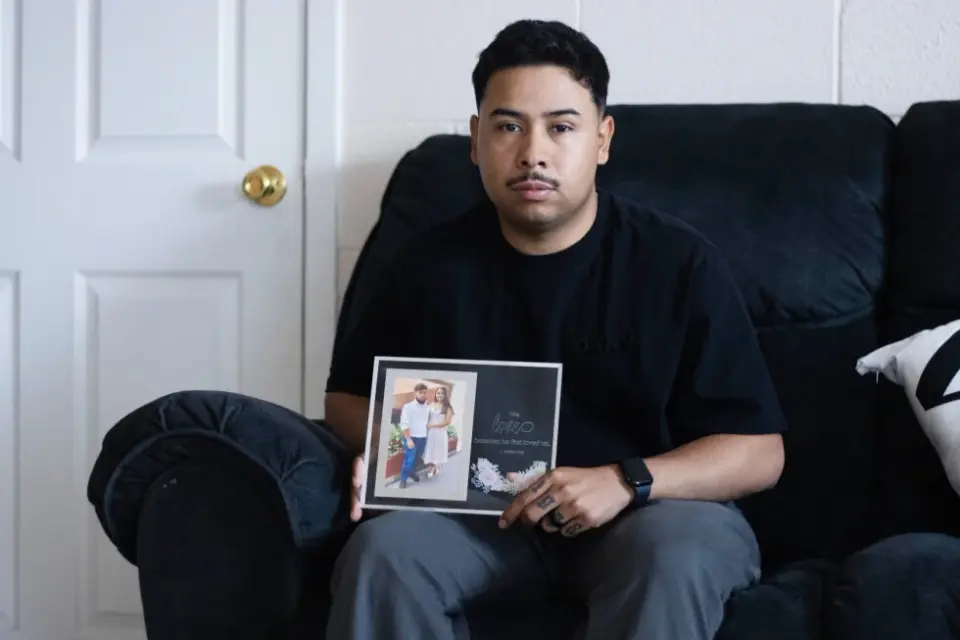
Cristy Maryori Villafranca Trejo, the wife of active-duty Army Sergeant Hedar Leonel Turcios Juarez, was deported to Honduras on August 24. ICE detained her in July after a missed court appearance in 2017, despite her marriage to a U.S. citizen and ongoing efforts to adjust her status. The case highlights tensions between military family protections and aggressive immigration enforcement under the Trump administration.
Key points
- Villafranca Trejo was detained by ICE on July 11 outside a Walmart in Texas, in front of her six-year-old daughter.
- She was deported to Honduras on August 24, after a failed attempt to remove her earlier in the month.
- Turcios Juarez, a U.S. citizen since 2024, had been pursuing his wife’s naturalization and is now caring for their daughter alone.
- DHS stated that military service does not grant immunity from immigration enforcement, while advocates argue that more than 50 military families have been affected by recent deportations.
- Rep. Veronica Escobar opened a congressional inquiry into the case, and over 60 lawmakers have launched an investigation into Pentagon-DHS coordination on deportations.
Background
This case follows earlier reports of military families being targeted by immigration enforcement, including the deportation of a soldier’s father in July 2026. The U.S. military has historically offered pathways to citizenship and temporary residency for undocumented family members, but these protections have not been consistently applied under the current administration.
How outlets are covering it
AP News and ABC News emphasize the personal impact on Turcios Juarez and his daughter, noting the emotional toll and lack of communication from authorities. Military Times provides additional detail on the detention conditions at Camp East Montana, citing a Human Rights Watch report that described the facility as having 'conditions of confinement that amounted to enforced disappearance.' DHS maintains that Villafranca Trejo was an 'illegal alien' and that military service does not exempt her from enforcement, while Rep. Escobar and other lawmakers argue that military families are being unfairly targeted. Advocacy groups like Repatriate Our Patriots stress that these cases are not isolated and call for policy changes rather than case-by-case interventions.
Why it matters
The deportation of Villafranca Trejo underscores the growing conflict between immigration enforcement and military family support. It raises questions about the reliability of promised protections for service members’ families and the potential impact on military readiness and morale. The case has prompted congressional scrutiny and highlights the need for clearer policies to prevent the separation of military families.
What to watch
Turcios Juarez is expected to continue serving in the Army while caring for his daughter. Legal efforts to reunite the family may continue, but the outcome is uncertain. Congressional investigations into Pentagon-DHS coordination are ongoing, and advocacy groups are pushing for legislative changes to protect military families from deportation.
- Wife of active-duty Army sergeant is deported to Honduras under Trump's immigration crackdown AP News
- ICE detained an Army sergeant’s wife. His family is still waiting for answers. Military Times
- Wife of active-duty Army sergeant deported amid Trump's immigration campaign ABC News - Breaking News, Latest News and Videos
- Army Sergeant’s Wife Was Nearly Deported by ICE. She’s Still Detained at Fort Bliss Where He Serves Military.com
- Norcross Army wife avoids possible detainment after ICE check-in, attorney says CBS News
Want the full story? Read the original reporting
Read on AP News