
Axelrod Shifts Focus to Security Clearance Gap in Trump Aide Harp
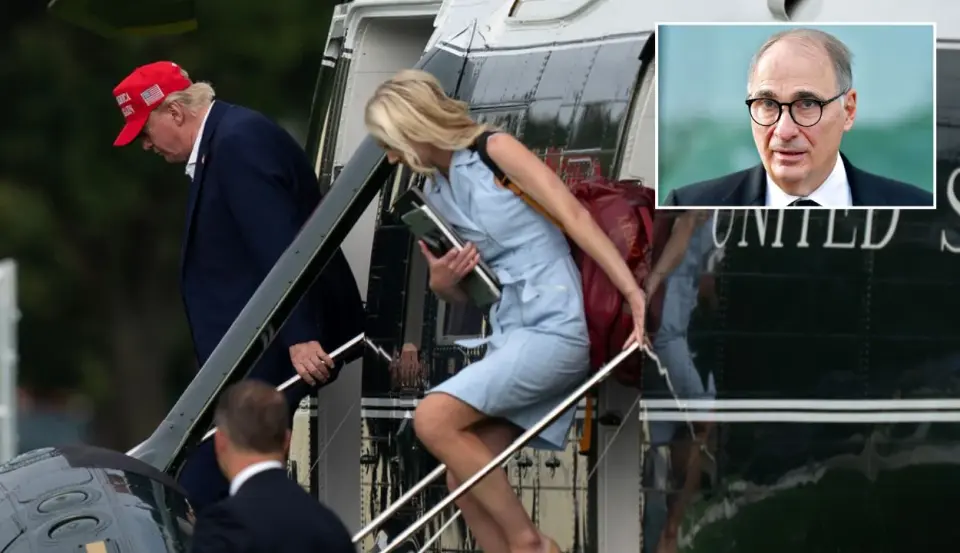
Veteran Democratic strategist David Axelrod has called the lack of security clearance for White House aide Natalie Harp a 'deadly serious' issue, marking a sharp pivot from his earlier defense of the aide against criticism from Sen. Jon Ossoff. Reports indicate Harp worked in the White House for approximately a year without the required clearance, refusing to submit the necessary forms until the White House counsel's office intervened. While the White House maintains Harp is now cleared and loyal, critics argue the delay poses significant national security risks, especially given her close proximity to the president and access to sensitive information.
Key points
- David Axelrod, former Obama strategist, labeled the security clearance issue 'deadly serious' on X, reversing his prior stance that criticized Sen. Jon Ossoff for questioning Harp.
- MS Now reported that Harp worked without clearance for a year, refusing to file forms until the White House counsel's office raised the issue and President Trump intervened.
- White House Press Secretary Karoline Leavitt stated that Harp now has a security clearance and is a 'loyal and hardworking member' of the team.
- Former ethics officials, including Norm Eisen and Richard Painter, criticized the lapse, noting that proximity to the president on trips like Air Force One requires clearance to avoid overhearing classified conversations.
- Harp, 35, is described as a 'human printer' who provides hard copies of news to Trump and has sent him 'devotional letters,' including one stating 'You are all that matters to me.'
- The controversy follows Ossoff's campaign rally remarks suggesting Trump prioritizes traveling with Harp over governing, which sparked a backlash from the White House and media scrutiny.
Background
This development follows a week of intense media scrutiny regarding Natalie Harp's relationship with President Trump, triggered by Sen. Jon Ossoff's public remarks. Earlier coverage noted that Harp's proximity to the president, including riding in an SUV trunk to follow him to a court appearance and accompanying him on a secret aircraft change in Turkey, had alarmed the Secret Service. The current security clearance controversy adds a legal and procedural dimension to the existing narrative about Harp's unprecedented access to the president.
How outlets are covering it
Outlets differ in their framing of the security clearance issue. The Guardian and Mediaite emphasize the national security implications and the 'shocking' nature of the lapse, citing former ethics officials like Norm Eisen and Richard Painter who argue that proximity to the president necessitates clearance. In contrast, the White House, via Press Secretary Karoline Leavitt, dismisses the concern by asserting Harp is now cleared and loyal. The New York Times provides a broader profile of Harp's role as a gatekeeper and conduit for information, highlighting her influence without explicitly focusing on the clearance timeline. KOMO News focuses on the political fallout, noting Ossoff's 'victory lap' for his initial insinuations, suggesting the controversy has become a partisan battleground. Axelrod's shift from defending Harp to criticizing the clearance gap illustrates how the narrative evolved from a personal relationship debate to a procedural security concern.
Why it matters
The security clearance lapse raises questions about the White House's adherence to standard protocols for vetting staff with close access to the president. Critics argue that allowing an aide to operate without clearance for a year, especially one with such intimate proximity to the president, creates vulnerabilities for national security and classified information. The incident also highlights the tension between personal loyalty and institutional procedures in the Trump administration, as seen in the parallel with Jared Kushner's clearance in the first term. For the public, it underscores the lack of transparency and oversight in the White House's inner circle, potentially affecting trust in the administration's handling of sensitive matters.
What to watch
The White House may face further scrutiny from Congress or ethics officials regarding the timeline and reasons for Harp's delayed clearance. The administration may need to provide more detailed explanations to the public and media to address concerns about national security risks. Additionally, the political fallout from Ossoff's remarks and Axelrod's shift may continue to influence the narrative around Harp's role and the White House's response to criticism. Future reporting may focus on whether other aides have similar clearance issues or if the White House will implement stricter protocols to prevent such lapses in the future.
- David Axelrod Slams White House for ‘Deadly Serious’ Issue with Natalie Harp Mediaite
- Trump administration faces questions over top aide Natalie Harp’s security clearance The Guardian
- Ossoff takes victory lap for viral Trump insinuation: 'The truth hurts' KOMO
- Natalie Harp, Trump’s Most Devoted Aide, Is Always by His Side. What Exactly Does She Do? The New York Times
- Dem’s ‘sexist’ remark against cancer survivor provokes Republican to go scorched earth: ‘Guy’s got a problem’ Fox News
Want the full story? Read the original reporting
Read on Mediaite