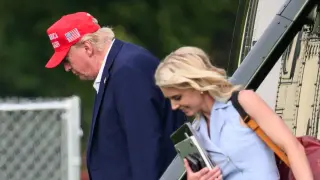
Trump Tests Waters on Natalie Harp as Potential Press Secretary
Trump reportedly joked to advisers about appointing Natalie Harp as press secretary, per CNN, highlighting ongoing speculation about Harp’s role and scrutiny of her White House access.

All articles tagged with #security clearance
Trump reportedly joked to advisers about appointing Natalie Harp as press secretary, per CNN, highlighting ongoing speculation about Harp’s role and scrutiny of her White House access.
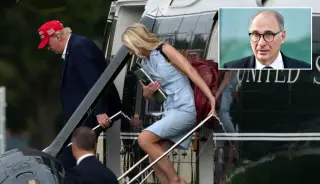
Veteran Democratic strategist David Axelrod initially mocked Jon Ossoff’s jab about Trump traveling with Natalie Harp, but after reports that Harp repeatedly declined to obtain the security clearance to work in the White House, he warned that if a top aide close to the President has no clearance and won’t pursue it, it’s a deadly serious issue.
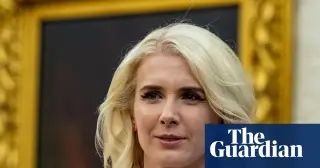
The White House reportedly allowed Natalie Harp, a close Trump aide, to work for about a year without security clearance after she refused to file forms; clearance was granted only after White House counsel raised the issue and Trump intervened. Critics warn of national security risks from close aides operating without proper vetting, while the White House defends her clearance. The controversy follows Sen. Ossoff's critique of Harp's proximity to Trump on national-stage matters.
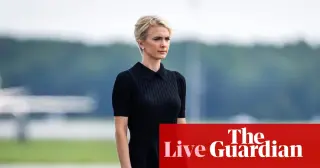
A report claims Natalie Harp, a Trump adviser, worked at the White House for nearly a year without a security clearance, drawing media attention and sharp political commentary; the live coverage also mentions related White House staff changes and a separate update on US unemployment claims.
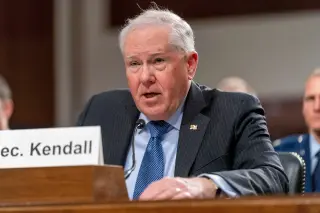
The Pentagon revoked former Air Force secretary Frank Kendall’s security clearance, accusing him of disclosing classified information about Air Force One to the media; Kendall says he did not disclose anything and is considering legal options as the Defense Department tightens its leaks investigations.
The DOJ and FBI seized 13 fake consulting websites tied to Chinese intelligence efforts targeting current and former U.S. security-clearance holders, using AI-generated photos, fake job postings, and encrypted payment methods to elicit sensitive information; the operation disrupted the scheme and authorities warned the public to stay vigilant and report suspicious activity.
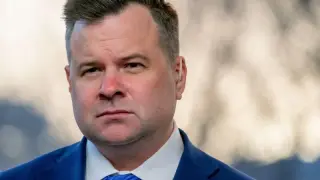
Bill Pulte, Trump’s pick to lead the U.S. intelligence community as acting DNI, reportedly did not have any security clearance before his appointment, and a background check has begun; lawmakers from both parties warn that granting him access to classified information without thorough vetting risks sensitive secrets and could complicate intelligence-sharing.

A man who pleaded guilty to entering the Capitol during the Jan. 6 riot now works at the Pentagon as a special assistant in the Special Operations and Low-Intensity Conflict policy office, holding a top-secret clearance; his hiring was confirmed by a defense official and follows his 14-day sentence and a Trump-era pardon, with him expressing remorse for his actions.

The Five Eyes security alliance warned that Chinese military intelligence is using online job platforms (LinkedIn, Indeed, Upwork) to pose as HR consultants and post fake roles in foreign policy or defense, targeting personnel with access to sensitive information such as security-clearance holders, military staff, journalists, or think-tank employees. Recruits are asked to write reports on defense/trade topics, then steered to encrypted chats, with payments ranging from hundreds to thousands of dollars per report. The aim is to obtain non-public information; Beijing denied the espionage claims.

The Guardian revealed that Peter Mandelson failed his security vetting for a US ambassador post, but the Foreign Office overruled the decision to proceed. Prime Minister Starmer says he was unaware of the vetting concerns, while opposition papers accuse him of misleading Parliament, sparking a fresh front-page crisis and renewed calls for accountability.

British Prime Minister Keir Starmer faces fresh scrutiny over appointing Peter Mandelson as ambassador to the United States, with reports Mandelson was initially denied security clearance and Starmer potentially misled Parliament about the vetting process; the fallout includes the resignation of the Foreign Office’s top civil servant, a police probe into Mandelson, and renewed questions about Starmer’s integrity as Labour fights for credibility ahead of May elections.
A federal judge blocked the Trump administration from revoking the security clearance of attorney Mark Zaid, citing political retribution and protecting legal representation for sensitive cases, marking a setback for Trump's efforts to use security clearances as a punitive tool.
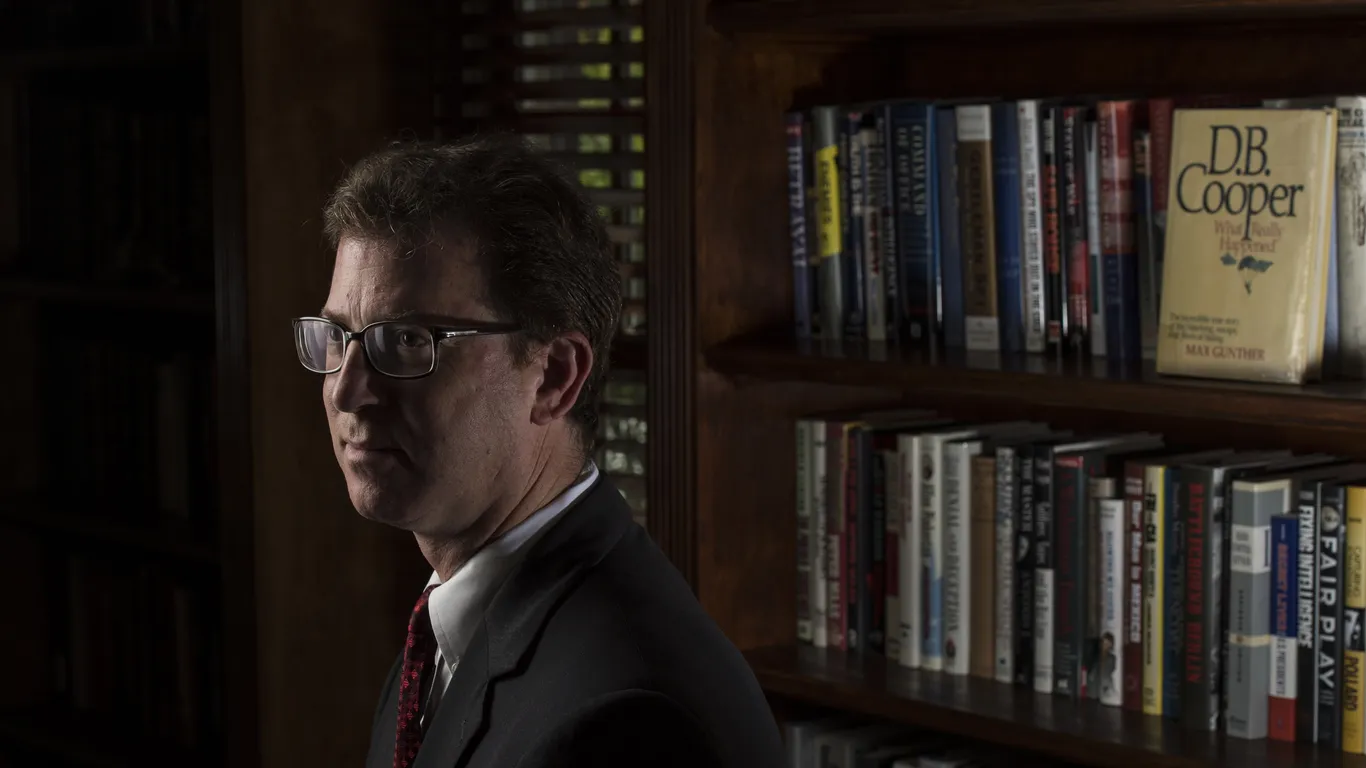
A federal judge blocked the Trump administration's attempt to revoke whistleblower attorney Mark Zaid's security clearance, citing violations of due process and First Amendment rights, in a case highlighting broader political retribution efforts against government critics.
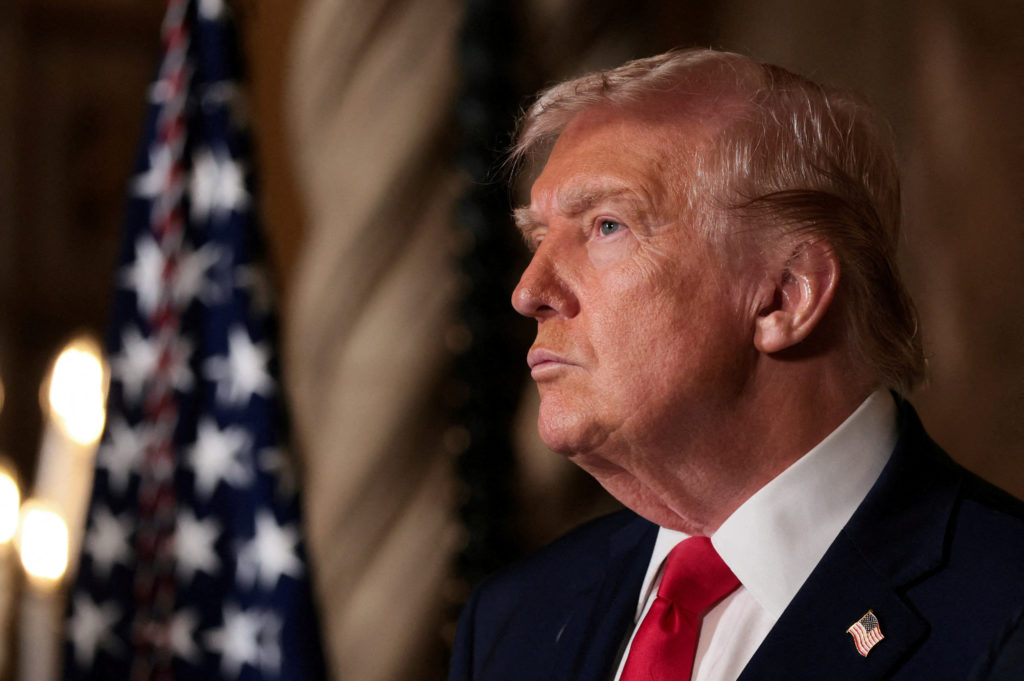
A federal judge blocked Trump's attempt to revoke the security clearance of attorney Mark Zaid, who represented whistleblowers, citing political retribution. The ruling prevents the enforcement of a presidential memorandum targeting Zaid and others, emphasizing judicial resistance to Trump's retribution tactics against political and legal adversaries.
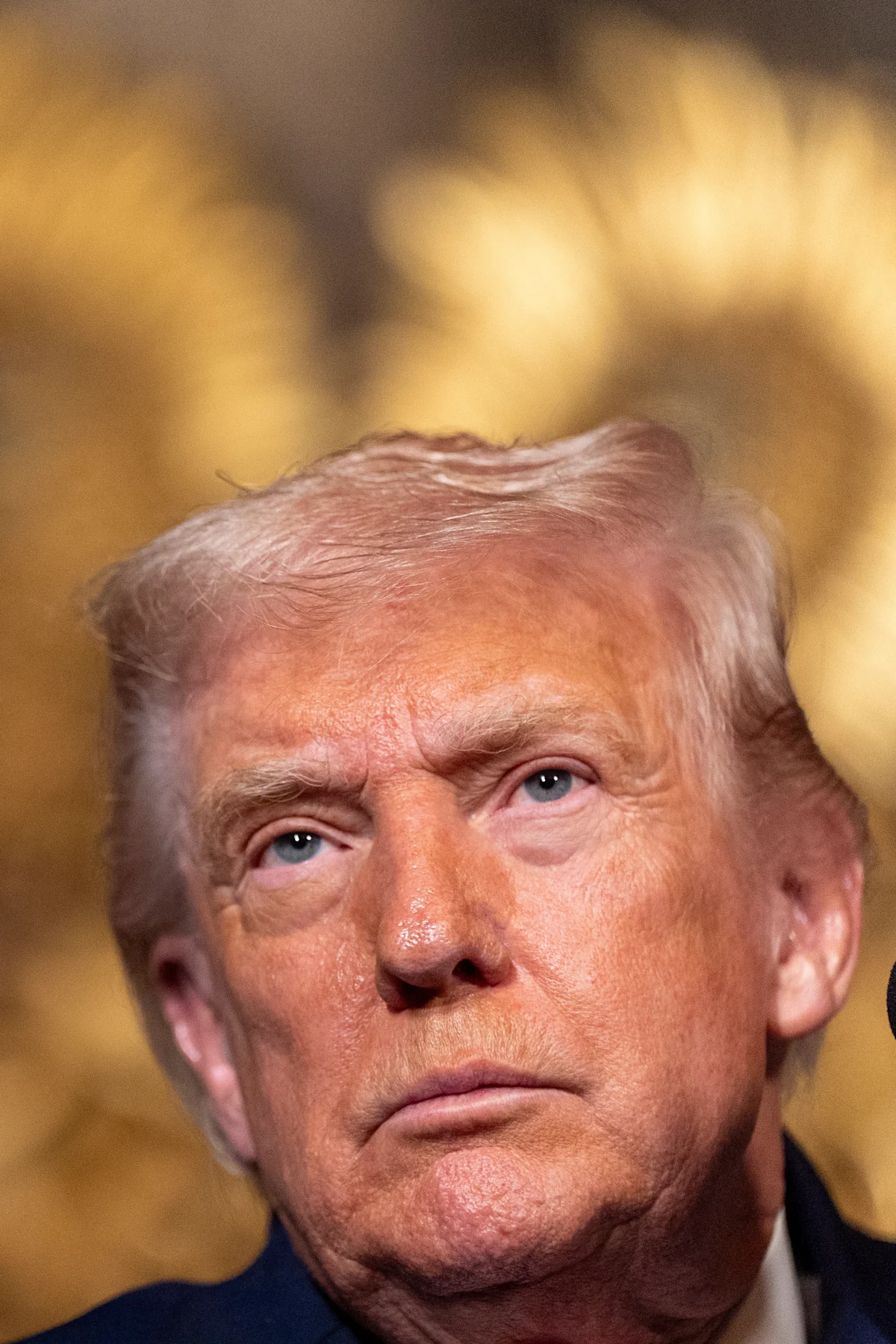
A federal judge blocked the Trump administration from revoking security clearances of attorney Mark Zaid and 14 others, ruling the action was politically motivated retribution. Zaid, known for representing whistleblowers, sued the administration, which had targeted him and others in a broader effort to punish political adversaries. The injunction, granted by Judge Amir Ali, emphasizes that the government can still revoke clearances through normal processes, but the presidential memorandum cannot be applied to Zaid until January 13.