
Becerra’s Win Marks Fifth Consecutive Catholic Governor in California
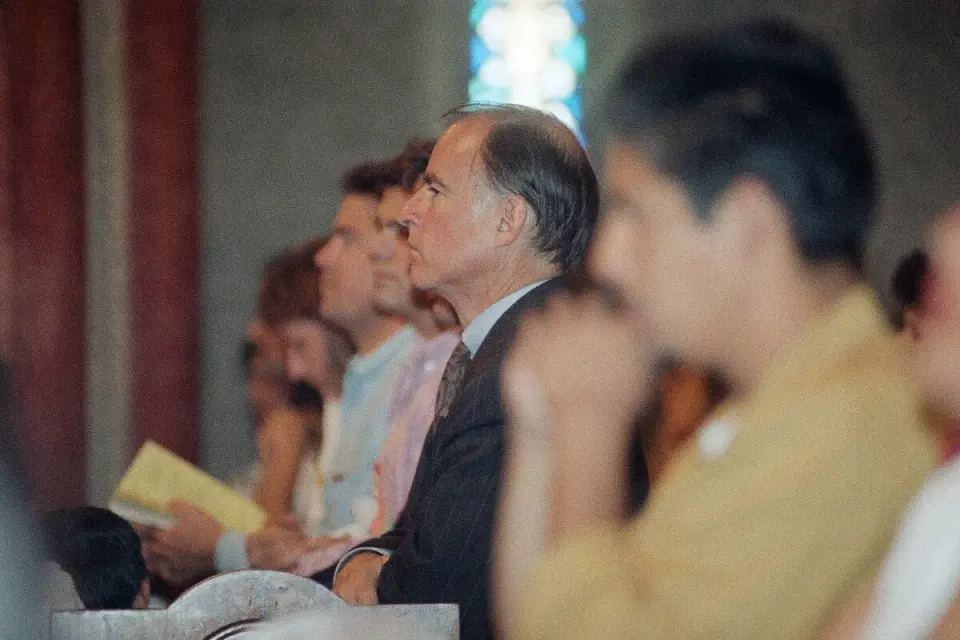
Xavier Becerra’s victory as California’s 41st governor completes a streak of five consecutive Catholic governors, highlighting the complex political role of Catholic voters in the state. While Catholic theology often conflicts with progressive policies like abortion rights, California’s Catholic population is ethnically diverse and politically mixed. Becerra, a Democrat and former HHS secretary, won support from a majority of Catholic voters, particularly Latino Catholics, despite his pro-choice stance. His administration will focus on pragmatic policies, including potential new taxes, energy affordability, and maintaining the death penalty moratorium, while navigating federal conflicts over healthcare and immigration.
Key points
- Becerra becomes the fifth consecutive Catholic governor of California, a streak beginning with Gray Davis in 1999.
- California has the largest Catholic population in the U.S., with 25% of adults identifying as Catholic, yet the group is politically diverse.
- Catholic voters split between Becerra and Republican Steve Hilton, with Latino Catholics largely supporting Becerra while white Catholics were divided.
- Becerra’s policy agenda includes potential taxes on corporations and drivers, a 'power hour' energy program, and reversing Medi-Cal restrictions for undocumented immigrants.
- He will continue the death penalty moratorium initiated by Gavin Newsom, citing concerns about racial bias and wrongful convictions.
Background
California has a deep historical connection to Catholicism, rooted in the 21 missions established between 1769 and 1823. This legacy, while complex due to the mistreatment of Native Americans, remains a significant cultural landmark. Recent laws require schools to teach about the negative impacts of the mission system on Indigenous populations. The state’s Catholic community is ethnically diverse, including immigrants from Latin America and the Philippines, which influences its political dynamics. Previous governors like Jerry Brown and Gavin Newsom have also been Catholic, with Newsom recently announcing plans to commute over 500 death sentences to life without parole, a move celebrated by the California Catholic Conference.
How outlets are covering it
AP News emphasizes the cultural and historical significance of Catholicism in California, noting that while Catholic theology often opposes abortion, many Catholic voters, especially Latinos, support progressive candidates like Becerra. They highlight the political diversity within the Catholic community, with some leaders taking conservative stances while others oppose federal policies. CalMatters focuses on Becerra’s pragmatic policy agenda, detailing his stance on taxes, energy, healthcare, and the death penalty. They note his incremental approach to governance, contrasting with the more confrontational style of his predecessor, Gavin Newsom. Both sources agree on the importance of Catholic voters in the election but differ in emphasis: AP on cultural identity and CalMatters on policy specifics.
Why it matters
Becerra’s victory underscores the evolving political landscape of California, where religious identity does not strictly align with partisan lines. His pragmatic approach to governance, focusing on incremental changes rather than sweeping reforms, may influence how the state addresses issues like healthcare, energy, and immigration. The continued support of Catholic voters for a pro-choice Democrat highlights the complexity of religious voting patterns in the U.S. Additionally, his policies on taxes and energy could have significant impacts on the state’s budget and environmental goals, while his stance on immigration and healthcare reflects ongoing tensions with the federal government.
What to watch
Becerra will take office in January 2027, facing immediate challenges including a budget deficit, wildfire costs, and federal healthcare cuts. He is expected to implement potential new taxes on corporations and drivers, launch the 'power hour' energy program, and reverse restrictions on Medi-Cal for undocumented immigrants. He will also continue the death penalty moratorium, potentially commuting sentences if Newsom does not act before leaving office. His administration will need to navigate conflicts with the Trump administration over federal funding and immigration enforcement, while balancing pragmatic governance with progressive values.
- California’s fifth consecutive Catholic governor exemplifies the faith’s deep roots AP News
- These California counties voted for Steve Hilton for governor SFGATE
- Live election results: Karen Bass concedes to Nithya Raman in LA mayoral election ABC7 Los Angeles
- Governor-elect Xavier Becerra pledges focus on affordability but offers few policy specifics ABC7 Bay Area
- Taxes, healthcare and the death penalty: Gov.-elect Becerra’s policy positions CalMatters
Want the full story? Read the original reporting
Read on AP News