
Pentagon-NIH Biodefense Deal Sparks Democratic Outcry Over Budget Diversion
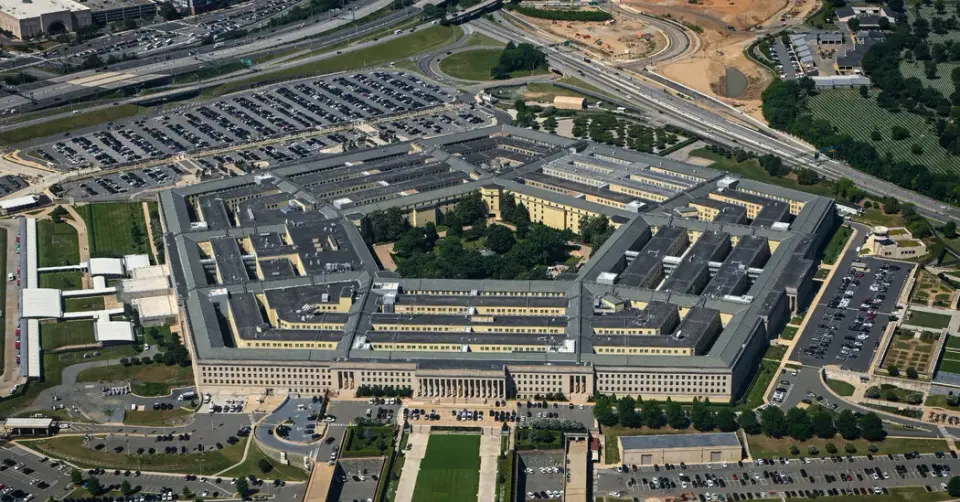
The Department of Defense and the National Institutes of Health signed an interagency agreement to collaborate on biodefense, drawing sharp criticism from Democrats who argue the deal diverts billions in medical research funding to the military. The agreement, which lacks specific dollar figures, could access up to $2 billion from the National Institute of Allergy and Infectious Diseases (NIAID), roughly a third of its budget. While the administration frames the move as a response to public health emergencies like Ebola, critics contend it is a secretive attempt to offset the Pentagon’s cash shortfall from the Iran war. The controversy coincides with a separate NIH proposal to abolish NIAID’s Division of Clinical Research, prompting calls from lawmakers and medical societies for immediate termination of the agreement and greater transparency.
Key points
- The Pentagon and NIH signed an interagency agreement focused on chemical and biological defense research, which Democrats say could divert up to $2 billion from NIAID’s budget.
- The agreement does not specify a dollar amount or specific projects, but sources indicate it could access about one-third of NIAID’s budget.
- Democrats, including Rep. Rosa DeLauro and Sen. Patty Murray, condemned the deal as a secretive attempt to circumvent Congress and fund the Pentagon’s budget shortfall from the Iran war.
- The Trump administration defended the agreement as a way to enable nimble multi-agency responses to public health emergencies, such as the recent Ebola outbreak.
- The controversy coincides with a separate NIH proposal to abolish NIAID’s Division of Clinical Research, which medical societies criticized for its lack of transparency and brief comment period.
Background
This dispute follows a series of tensions between the Pentagon and Congress over budget transparency and military spending. In August 2026, Republicans criticized Defense Secretary Pete Hegseth for excluding Democrats from classified defense budget briefings, warning it could jeopardize the passage of a $1.5 trillion military package. Additionally, the Pentagon’s 2025 Annual Report on Civilian Casualties drew criticism for excluding data from the current Iran war, while Democrats pushed for oversight of the USS Lincoln’s deployment amid reports of deteriorating conditions. These events highlight ongoing concerns about the administration’s approach to military funding and congressional oversight.
How outlets are covering it
The New York Times and Bloomberg Government emphasize the secretive nature of the agreement and the potential diversion of billions in NIH funding to the Pentagon, with Democrats warning it could allow the Defense Department to bypass Congress. Common Dreams frames the issue as part of a broader pattern of the Trump administration diverting funds from public health to military priorities, citing the Iran war’s $37.5 billion cost and a $67 billion supplemental funding request. MedPage Today highlights the concurrent NIH proposal to abolish NIAID’s Division of Clinical Research, with medical societies criticizing the lack of transparency and brief comment period. The Trump administration, via a spokesperson to The Hill, defended the agreement as a way to enable multi-agency responses to public health emergencies, while Democrats and advocacy groups like Protect Our Care called for its immediate termination and a congressional investigation.
Why it matters
The agreement raises significant concerns about the separation of powers and the proper use of federal funds, as it could allow the Pentagon to access billions in medical research funding without explicit congressional approval. This could undermine public health research and shift resources away from critical biomedical programs, potentially impacting efforts to combat diseases like HIV, influenza, and tuberculosis. The controversy also highlights broader tensions between the executive branch and Congress over budget transparency and the prioritization of military spending over public health, especially in the context of the costly Iran war.
What to watch
Democrats are calling for the immediate termination of the interagency agreement and a full accounting of how it was developed and the amount of money it seeks to transfer to the Pentagon. The administration is expected to defend the deal as a necessary measure for public health emergencies, while medical societies and advocacy groups may push for a longer comment period and greater transparency in the NIAID reorganization process. Congressional oversight and potential investigations into the agreement’s motives and scope are likely to intensify in the coming weeks.
- Pentagon Agreement With N.I.H. on Biodefense Draws Alarm From Democrats The New York Times
- Pentagon sought to divert NIH funds for defense use, top House Appropriations Democrat says The Hill
- Pentagon Is Redirecting NIH Research Funding, DeLauro Says (1) Bloomberg Government News
- 'Outrageous': Pentagon Secretly Working to Divert Billions From National Institutes of Health Common Dreams
- Docs Alarmed by NIH Plan to Redirect Medical Research $ to Pentagon MedPage Today
Want the full story? Read the original reporting
Read on The New York Times