
Bipartisan pressure forces White House to scrap NIH grant control plan
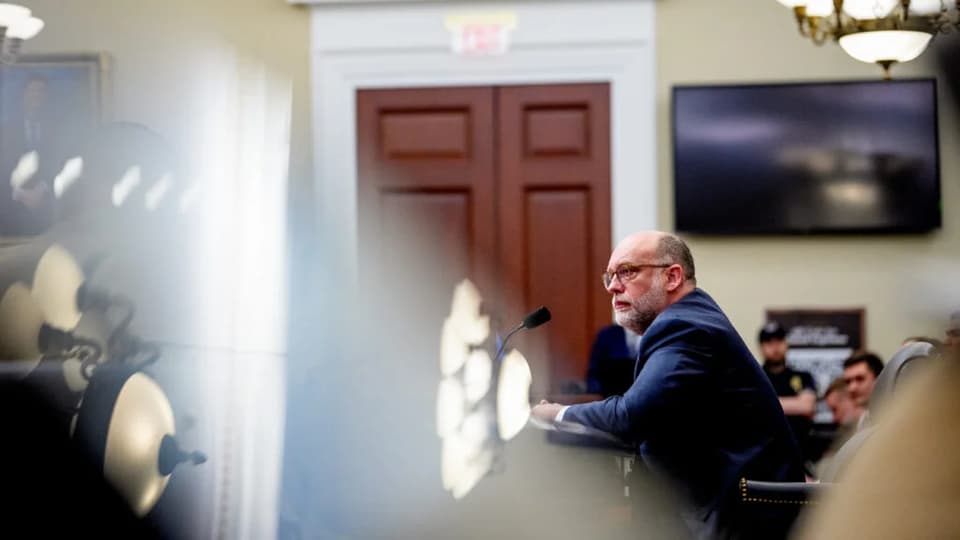
The White House has abandoned a planned executive order that would have granted political appointees veto power over National Institutes of Health grants. The move follows intense bipartisan opposition from Congress, particularly from Senate Appropriations Chair Susan Collins, who argued the plan would undermine merit-based scientific funding. While the order is effectively dead, officials may revisit similar strategies after the midterm elections.
Key points
- The White House dropped a planned executive order that would have created a commission of political appointees, including OMB Director Russell Vought, to veto NIH grant awards.
- Senate Appropriations Chair Susan Collins (R-Maine) sent a letter to OMB and NIH leadership urging them to abandon the proposal, warning it would replace scientific merit with political ideology.
- The plan emerged from a Friday Oval Office meeting where President Trump sought to target Harvard University’s funding, a goal NIH Director Jay Bhattacharya reportedly resisted.
- Congress has previously blocked similar OMB initiatives, including a 2026 appropriations provision that curbed multiyear funding mandates and a stopgap bill that blocked a rewrite of federal contract guidance.
- The White House did not respond to requests for comment, but the administration may attempt to reintroduce political controls over research funding after the midterm elections.
Background
This latest standoff follows a series of conflicts between the Trump administration and Congress over federal research funding. In 2025, the White House attempted to cut $2.6 billion in grants to Harvard, a move blocked by courts. OMB also previously mandated upfront multiyear funding for NIH grants, a strategy Congress curbed in the 2026 appropriations bill. Additionally, an OMB proposal to de-emphasize peer review in federal contracts was blocked by a stopgap spending bill after receiving tens of thousands of opposing comments.
How outlets are covering it
STAT and Politico report that the executive order is 'looking dead' or dropped, citing Sen. Collins and a person familiar with the decision. The Washington Post editorial board frames the event as a necessary rebuke of 'cronyism' that threatens economic benefits from scientific research. The Harvard Crimson emphasizes the personal dimension, noting that NIH Director Jay Bhattacharya, a former colleague of Harvard President Alan Garber, reportedly refused Trump’s directive to cut Harvard funding, suggesting he has begun to distance himself from the administration’s anti-research stance. While all outlets agree the order was abandoned, STAT and Politico highlight the bipartisan nature of the congressional pushback, whereas the Washington Post focuses on the broader threat to scientific autonomy.
Why it matters
The collapse of this executive order preserves the current structure of merit-based peer review for federal biomedical research. It demonstrates that Congress retains leverage over the White House’s attempts to politicize scientific funding, potentially setting a precedent for future conflicts over agency autonomy and research integrity.
What to watch
The White House may attempt to reintroduce political controls over NIH grants after the midterm elections, potentially using a less overtly political approach. Congress is expected to continue monitoring OMB actions, with the 2026 appropriations bill already including provisions to limit OMB’s influence on NIH spending.
- White House plan to increase control of NIH grants appears ‘dead’ STAT
- Opinion | Scientific research is an economic blessing. Keep Trump cronyism out. The Washington Post
- Collins: White House drops effort to politicize health research grants Politico
- NIH Director Bhattacharya Refuses Trump Demand to Cut Harvard Funding, Politico Reports The Harvard Crimson
- Exclusive / Trump administration backing off NIH grant order amid pushback Semafor
Want the full story? Read the original reporting
Read on STAT