
Federal Contractors Begin Arizona Border Wall Construction Amid Tohono O'odham Protests
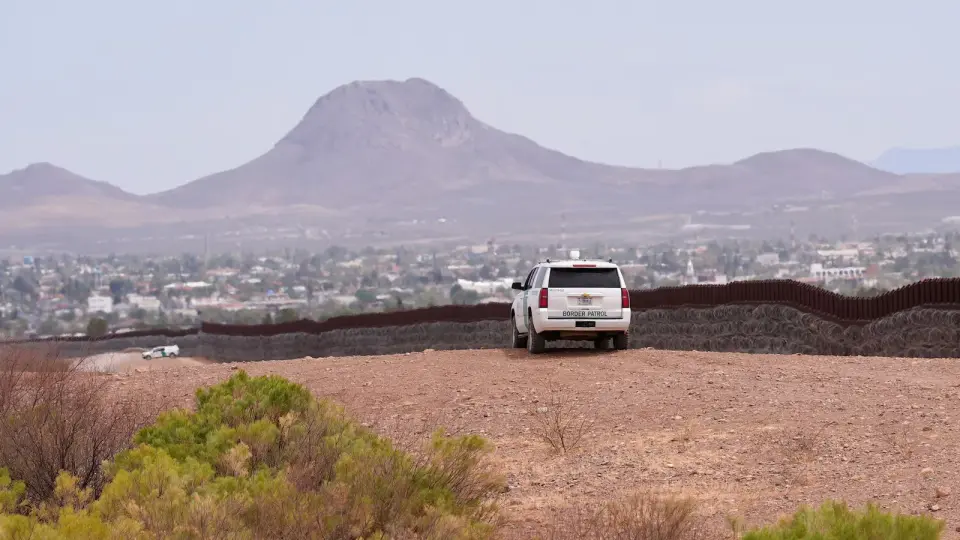
The Trump administration has initiated construction of a border wall segment in southern Arizona, a move the Tohono O'odham Nation describes as illegal trespassing on sacred tribal land. While federal authorities argue the project closes a critical smuggling corridor, the tribe contends the action violates their sovereignty and desecrates cultural sites. A federal judge previously allowed the project to proceed within a federally owned buffer zone, but tribal officials are now pursuing further legal action to halt the work.
Key points
- Construction began on a border wall segment in Arizona, part of a $46 billion national initiative to install 30-foot steel bollard walls and barriers.
- The Tohono O'odham Nation, which has 37,000 members across the U.S.-Mexico border, accused approximately 20 armed and masked Customs and Border Protection (CBP) agents of accompanying contractors onto tribal land before dawn.
- Tribal officials reported that CBP agents set up a vehicle blockade and deployed a special weapons and tactics team to prevent tribal police from issuing trespassing citations or removing the contractors.
- CBP Commissioner Rodney Scott stated the project targets a dangerous smuggling and trafficking corridor that has facilitated decades of drug loads and migrant deaths.
- The tribe sued the federal government in June, arguing the wall would cause significant devastation to sacred mountain peaks and alter national boundaries, but a federal judge ruled in favor of the government in August.
- The construction is taking place within a 60-foot wide buffer zone of federally owned land known as the Roosevelt Reservation, though the tribe maintains that accessing this area via tribal land constitutes trespassing.
Background
This development follows a broader pattern of border wall construction controversies under the current administration. In August 2026, the administration paused a similar project in Big Bend National Park after bipartisan criticism and environmental concerns, with CBP Commissioner Rodney Scott promising a personal review. Additionally, a federal judge in Texas had recently cleared a border wall project through a levee system. The Tohono O'odham conflict has roots in the previous administration, when the tribe opposed border-spanning barriers that threatened sensitive habitats and sacred sites. A 2023 Government Accountability Office report had previously found that border wall efforts caused harm to Indigenous land, including blasting at a tribal burial site.
How outlets are covering it
The perspectives on this issue are sharply divided between federal authorities and the Tohono O'odham Nation. CBP and the Trump administration emphasize security, with Commissioner Rodney Scott describing the area as a 'most dangerous smuggling and trafficking corridor' that has facilitated cartel activity and migrant deaths. They argue the wall is necessary to close a longstanding security gap. In contrast, the Tohono O'odham Nation frames the issue as a violation of Indigenous sovereignty and cultural rights. They argue that the construction desecrates sacred sites, including mountain peaks, and that the federal government ignored their proven border security strategies, which had reduced cross-border detentions by over 95 percent. The tribe also highlights the legal distinction that while the wall may be on federally owned buffer land, the access routes and the act of entering tribal territory constitute illegal trespassing. Fox News and ABC News largely report the facts and the conflicting claims, while Al Jazeera provides additional context on the historical tensions and the specific tactical measures used by CBP, such as the deployment of a SWAT team and surveillance balloons.
Why it matters
This incident highlights the ongoing tension between federal border security priorities and the rights of Indigenous nations. The Tohono O'odham Nation's territory straddles the U.S.-Mexico border, making them uniquely affected by border wall projects. The tribe's argument that they have effectively managed border security through their own efforts challenges the federal government's justification for the wall. The legal battle and potential for further escalation could set a precedent for how federal authorities interact with tribal lands in border regions. Additionally, the use of armed agents and blockades to protect construction crews raises questions about the level of force being employed in these projects, potentially leading to broader public debate and legal challenges.
What to watch
The Tohono O'odham Nation is exploring further legal actions to remove the contractors and halt the construction. The tribe may seek additional injunctions or pursue other legal remedies to protect their land and sovereignty. CBP and the federal government are likely to continue the construction, citing the court's ruling and security needs. The situation could escalate if physical confrontations occur between tribal police and federal agents. The outcome of this dispute may influence future border wall projects in other areas with Indigenous land or environmental concerns. The tribe's claim that they have effectively reduced cross-border detentions through their own efforts may also be used in future legal and political arguments against the necessity of the wall.
- Trump administration starts building border wall project in Arizona over tribe's objections ABC News - Breaking News, Latest News and Videos
- Trump border wall construction kicks off in Arizona amid clash with Native American tribe Fox News
- Trump administration starts building border wall in Arizona over tribe's objections KCRA
- Tribe accuses US federal agents of ‘trespassing’ on indigenous border land Al Jazeera
- Masked CBP agents enter tribal land as contractors prep for border wall BorderReport
Want the full story? Read the original reporting
Read on ABC News - Breaking News, Latest News and Videos