
Judge Lifts Stay, Allowing Trump Administration to Terminate Somali TPS
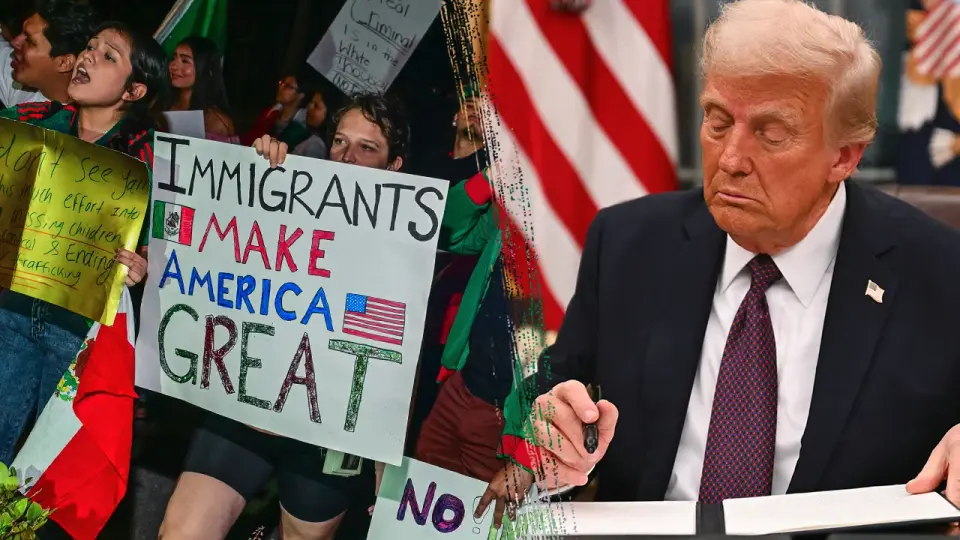
A federal judge in Boston has lifted a stay that blocked the Trump administration from ending Temporary Protected Status (TPS) for Somali nationals, following a Supreme Court ruling that limited judicial review of such decisions. This move potentially exposes thousands of Somalis in the U.S. to deportation, although some may have alternative legal pathways.
Key points
- U.S. District Judge Allison Burroughs lifted a stay preventing the Department of Homeland Security from terminating Somalia's TPS designation, citing the Supreme Court's June ruling in Mullin v. Doe.
- The Supreme Court ruled that the TPS statute bars judicial review of certain non-constitutional decisions to terminate TPS, significantly limiting lower courts' ability to block such actions.
- The Trump administration announced in January that it would end Somalia's TPS, with then-Homeland Security Secretary Kristi Noem arguing that conditions in Somalia had improved sufficiently to end the humanitarian protections.
- Plaintiffs, including African Communities Together, argued that the termination was motivated by racial bias, citing previous comments by President Trump, but the judge found they did not demonstrate a likelihood of success on the merits.
- Approximately 2,471 Somali nationals currently hold TPS in the U.S., with another 1,383 having pending applications, though some estimates suggest a smaller number of active TPS holders.
- The decision allows the administration to proceed with ending TPS, potentially leading to loss of work authorization and risk of deportation for affected individuals, though some may seek alternative legal status.
Background
This development follows a series of Supreme Court and lower court rulings in 2026 that have cleared the path for the Trump administration to terminate TPS for multiple countries, including Haiti, South Sudan, and Myanmar. The June 2026 ruling in Mullin v. Doe was a pivotal moment, establishing that federal courts have limited authority to review the termination of TPS designations, which had been expanded under the Biden administration. The current ruling on Somalia is part of a broader pattern of legal victories for the administration in its efforts to curtail immigration protections.
How outlets are covering it
Fox News emphasizes the ruling as a major legal victory for President Trump, highlighting the Supreme Court's limitation of judicial review and the administration's ability to enforce its immigration agenda. In contrast, 5 Eyewitness News focuses on the immediate impact on Somali nationals, noting the risk of deportation and loss of work authorization, while also mentioning potential alternative legal pathways. The two outlets differ in their framing: Fox News portrays the decision as a triumph for the administration, while 5 Eyewitness News highlights the human consequences and the ongoing legal challenges. Both agree on the factual basis of the ruling but differ in their emphasis on the political versus humanitarian implications.
Why it matters
The termination of TPS for Somali nationals could have significant humanitarian and economic implications, as affected individuals may lose work authorization and face deportation. This decision also sets a precedent for future TPS terminations, potentially affecting other countries and undermining the humanitarian purpose of the TPS program. The ruling underscores the ongoing legal and political battles over immigration policy in the U.S., with the Supreme Court's role in shaping the boundaries of judicial review.
What to watch
The Trump administration is expected to proceed with the termination of Somalia's TPS designation, potentially leading to a loss of work authorization and increased risk of deportation for affected individuals. Plaintiffs may continue to pursue legal challenges, though the Supreme Court's ruling has significantly limited their options. The administration may also focus on enforcing work authorization changes and targeting individuals without alternative legal status, while advocates will likely explore other legal pathways for those affected.
- Trump scores major immigration victory as judge clears way to end TPS protections for thousands of Somalis Fox News
- US judge clears way for Trump to end Somalis' deportation protections Reuters
- Judge lifts order on Somalia TPS, clearing way for deportations The Hill
- Judge lifts block on ending Somali Temporary Protected Status in US 5 EYEWITNESS NEWS
- Judge won't block ending Temporary Protected Status for Somali immigrants kare11.com
Want the full story? Read the original reporting
Read on Fox News