
Federal judge frees MS-13 murder convict in California, sparking DHS backlash
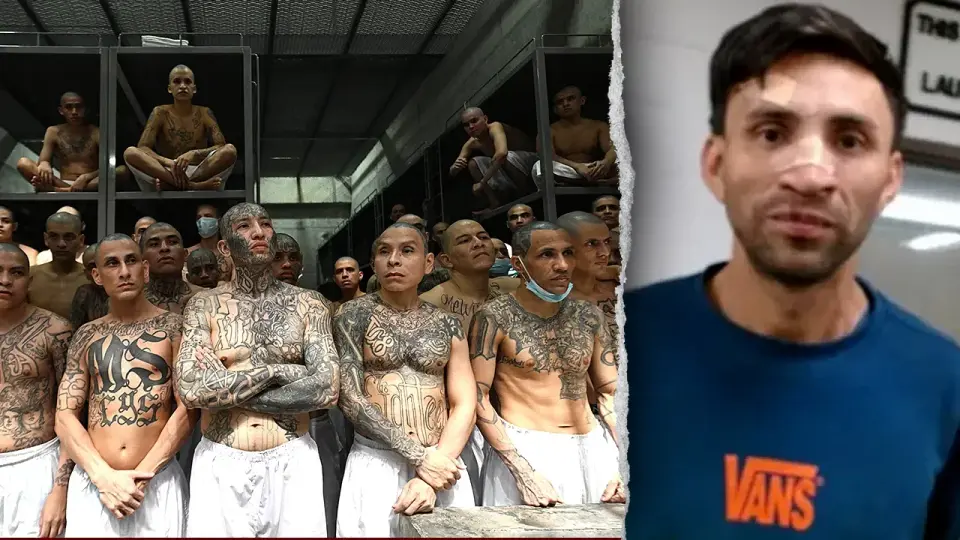
David Antonio Aviles Perez, an MS-13 member convicted of aggravated murder in El Salvador, was released from federal custody in California by Judge Jinsook Ohta. DHS Secretary Markwayne Mullin condemned the decision, citing due process violations and public safety risks.
Key points
- Judge Jinsook Ohta ordered the release of David Antonio Aviles Perez, 35, from ICE custody in San Diego on August 26, 2026.
- Aviles Perez is wanted in El Salvador for a 2014 execution-style murder and was sentenced to 20 years in prison in December 2025.
- Ohta ruled that immigration officials violated the Fifth Amendment by detaining Aviles Perez for five months without a bond hearing or individualized danger assessment.
- DHS Secretary Markwayne Mullin accused Ohta of endangering the public, noting Aviles Perez had previously been released after a 2023 machete assault in Monterey.
- The ruling bars ICE from re-detaining Aviles Perez unless an immigration judge holds a bond hearing and determines renewed detention is warranted.
Background
This incident follows a pattern of federal court interventions in immigration detention cases. In late August 2026, another Biden-appointed judge, Linda Lopez, released Luis Valle, a convicted murderer, from ICE custody in the same district. These rulings align with broader tensions between the Trump administration’s immigration enforcement and federal judicial decisions regarding due process in detention. The archive does not contain directly related background on this specific case, but it highlights ongoing legal battles over sanctuary policies and federal authority in California.
How outlets are covering it
Fox News and the New York Post framed the release as a dangerous failure of the judicial system, emphasizing Aviles Perez’s violent history and the administration’s criticism. DHS Secretary Markwayne Mullin called Ohta a 'radical activist judge' and blamed California’s sanctuary policies for allowing the release. Conversely, the ruling itself, as reported by both outlets, focused on procedural due process, with Ohta stating that the government failed to provide an individualized assessment of danger or flight risk. The New York Post noted that a federal law enforcement official criticized the lack of appeals from lower-level prosecutors, suggesting a systemic issue rather than isolated judicial activism. DHS’s official statement reiterated that the release was the second time Aviles Perez had been freed in California, linking it to sanctuary laws that limit local-federal cooperation.
Why it matters
The case highlights the ongoing conflict between federal immigration enforcement and judicial due process requirements. It raises questions about the balance between public safety and legal protections for detainees, particularly in sanctuary jurisdictions. The release of a convicted murderer has intensified political debates over immigration policy and the role of federal judges in immigration cases.
What to watch
DHS has vowed to continue its immigration crackdown despite the ruling. ICE is barred from re-detaining Aviles Perez without a bond hearing, but the agency may appeal the decision or seek other legal avenues. The case could set a precedent for future detention challenges, potentially influencing how immigration officials handle similar cases in sanctuary states.
- Machete-wielding MS-13 gangster wanted for murder walks free after Biden-appointed judge releases him: DHS Fox News
- ‘Activist’ San Diego judge frees Machete-wielding MS-13 executioner known as ‘the witch’ New York Post
- Biden-Appointed Activist Judge in California Releases MS-13 Gang Member Wanted for Murder in El Salvador Homeland Security (.gov)
Want the full story? Read the original reporting
Read on Fox News