
California voters approve Prop 42, blocking future state wealth taxes
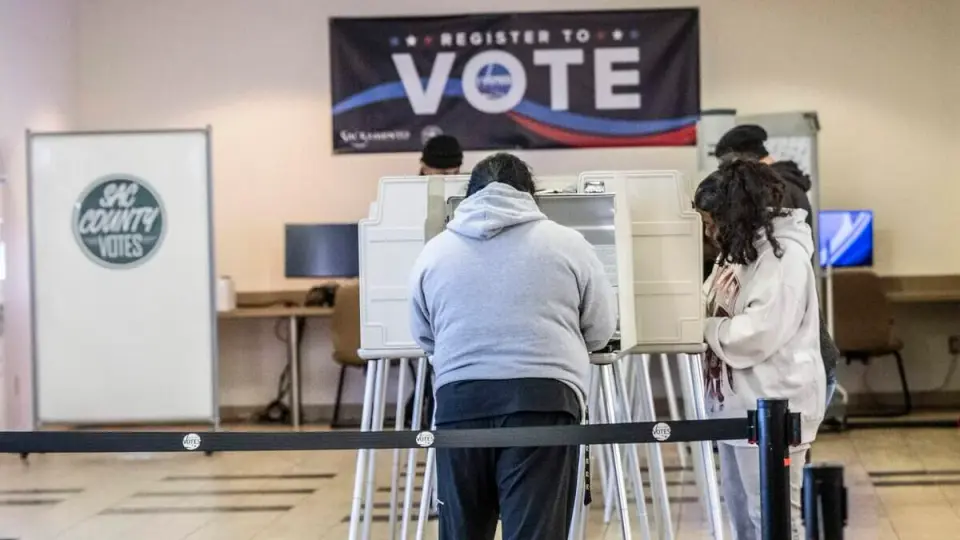
California voters approved Proposition 42, a constitutional amendment that bans future taxes on personal property and retirement accounts. The measure, which passed with approximately 51.7% of the vote, creates a significant legal barrier for any future state-level wealth tax initiatives. This outcome follows the recent defeat of Proposition 40, a proposed one-time 5% tax on billionaires intended to fund healthcare. While supporters of the wealth tax argue the new amendment protects workers' savings, critics contend it shields the ultra-wealthy from contributing to public services. The result intensifies the debate over whether wealth taxes should be pursued at the state or federal level.
Key points
- Proposition 42 passed with 51.7% support, banning future taxes on personal property and retirement accounts.
- The measure was funded by a committee backed by Google co-founder Sergey Brin and other wealthy critics of wealth taxes.
- Prop 42 serves as a 'poison pill' to void any future wealth tax measures, including the recently defeated Prop 40.
- Opponents of Prop 40, including tech executives and trade unions, outspent supporters by nearly 14-to-1, raising over $425 million.
- SEIU-United Healthcare Workers West vows to pursue new wealth tax measures in 2028, potentially requiring a new constitutional amendment to override Prop 42.
Background
In October 2026, California voters faced a contentious election featuring Proposition 40, a one-time 5% tax on billionaires designed to offset federal healthcare funding cuts. The measure was opposed by a coalition of tech leaders and trade unions, who argued it would trigger capital flight and harm the economy. Prior to the vote, a coalition of doctors and insurers had sued the state over a separate health tax, citing voter-approved limits on such levies. The broader national debate on wealth taxation had been highlighted by similar measures in Colorado and Washington, reflecting a growing divide between states seeking to tax high earners and those competing to attract them through lower taxes.
How outlets are covering it
The Sacramento Bee and The Guardian emphasize the massive financial disparity in the campaign, noting that opponents raised over $425 million compared to the $31 million raised by supporters. The Guardian highlights the role of Silicon Valley elites, including Sergey Brin and Eric Schmidt, in funding the opposition. NPR presents a more nuanced view, with economist Gabriel Zucman blaming the failure on the overwhelming influence of billionaire-funded advertising, while Stanford’s Joshua Rauh argues that the tax itself was unpopular, particularly in affluent areas like the Bay Area. Rauh suggests that voters may have rejected the specific one-time, state-level nature of the tax rather than the concept of wealth taxation itself. The Sacramento Bee notes that trade unions, such as the State Building and Construction Trades Council, supported Prop 42 to protect retirement savings, framing the measure as a defense of workers' earnings.
Why it matters
The passage of Proposition 42 sets a precedent that could influence the national debate on wealth taxes. If the SEIU-United Healthcare Workers West pursues a new wealth tax in 2028, they will face significant legal hurdles due to Prop 42's ban on retroactive taxes and its broad definition of taxable assets. The outcome also highlights the growing influence of billionaire-funded campaigns in state politics, raising questions about the effectiveness of ballot initiatives in addressing economic inequality. As the 2028 presidential election approaches, the debate over whether to pursue wealth taxes at the state or federal level is likely to become a central issue in the Democratic primary.
What to watch
The SEIU-United Healthcare Workers West has indicated it will pursue a new wealth tax in 2028, potentially requiring a new constitutional amendment to override Prop 42. The union may also work around Prop 42's requirements, such as its ban on retroactive taxes. The outcome of the 2028 election will likely determine the extent to which the public supports wealth taxation, as proposals are expected to feature prominently in political debate. Additionally, the legal challenges surrounding the constitutionality of a federal wealth tax, particularly regarding the 'direct tax' clause, may become a focal point in the coming years.
- Proposition 42 passes, creating new obstacle to future California wealth taxes Sacramento Bee
- California Voters Pass Ban on Wealth Taxes WSJ
- Tech’s biggest names sank a tax on billionaires’ wealth with $425m and a familiar playbook The Guardian
- Why did California’s billionaire tax fail to surf the blue wave? : Planet Money NPR
- Election results: California voters approve Sergey Brin-backed proposition that makes it harder to enact future wealth taxes The Mercury News
Want the full story? Read the original reporting
Read on Sacramento Bee