
Trump Reinstates Nvidia Chief Amid Chinese Espionage Concerns
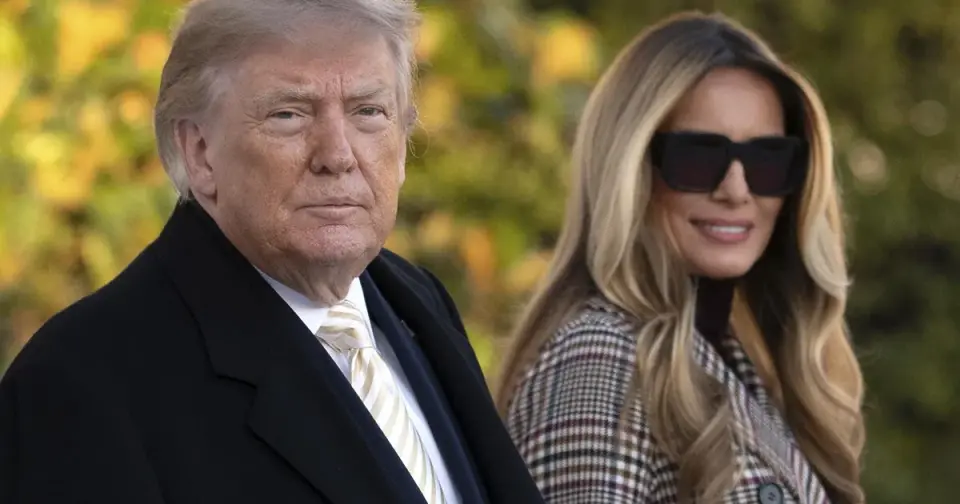
President Trump successfully lobbied the Nvidia board to reinstate CEO Jensen Huang on November 23, 2026, despite intelligence warnings that Huang’s affair with Alice Huang involved Chinese espionage. While the White House claims a preliminary review found no 'smoking gun,' intelligence officials told lawmakers that Alice Huang passed information to Chinese officials. Trump’s dismissal of the threat echoes past stances on Russian interference, drawing bipartisan criticism over the administration’s handling of AI security risks.
Key points
- Trump persuaded Nvidia’s board to reinstate Jensen Huang on November 23, 2026, citing stock market reactions and a preliminary review that found no definitive evidence of espionage.
- Intelligence officials told lawmakers that Alice Huang, a former executive at Singapore-based Megaspeed International, passed information to Chinese officials during her affair with Jensen Huang.
- Megaspeed was accused of purchasing advanced Nvidia chips to bypass U.S. export restrictions and siphon them to China.
- Trump dismissed concerns about Chinese espionage during a visit to China, stating, 'We spy like hell on them, too,' and told reporters Huang was 'exonerated.'
- Nvidia’s stock surged 31% following Huang’s reinstatement, adding approximately $1 trillion to its market value.
Background
Huang resigned on November 12, 2026, after admitting an affair with Alice Huang, whom U.S. intelligence suspected was a Chinese spy. The scandal triggered a $573 billion drop in Nvidia’s market value and congressional hearings. Experts have warned of systemic espionage vulnerabilities in the U.S. AI sector, exacerbated by understaffed FBI counterintelligence units. Trump had previously lobbied against strict chip export controls to maximize Nvidia’s global sales.
How outlets are covering it
The Los Angeles Times emphasizes Trump’s pattern of dismissing intelligence warnings, comparing this incident to his 2018 dismissal of Russian interference claims. Politico frames the event as a clash between Trump’s 'Indispensable Leader' theory and corporate accountability, noting that while voters rejected his political methods, markets rewarded his intervention. The Atlantic criticizes the administration’s actions as indistinguishable from those of a hostile foreign agent, highlighting the disconnect between national security concerns and profit-driven market reactions.
Why it matters
The incident underscores tensions between U.S. national security priorities and economic interests in the AI sector. It raises questions about the administration’s willingness to confront Chinese espionage targeting critical technology, potentially undermining U.S. efforts to maintain technological supremacy. Bipartisan criticism suggests growing concerns about corporate impunity and the influence of personal relationships on national security decisions.
What to watch
Congress, including Democrats and some Republicans, has vowed to investigate the Huang affair, focusing on potential national security compromises and Trump’s role in his reinstatement. Attorney General Todd Blanche has not confirmed whether Huang will face an investigation, stating that the Justice Department has reached no conclusion about Alice Huang’s espionage activities. The outcome of these inquiries will determine whether further legal or regulatory actions are taken against Nvidia or its leadership.
- Trump, dismissing Chinese espionage, adds to national security concerns Los Angeles Times
- Trump Thinks He and Jensen Huang Are Indispensable. They Might Both Be in for a Rude Awakening. Politico
- Opinion | The clearest conflict of interest involving Nvidia is no secret The Washington Post
- The President Is Acting Like He Works for China The Atlantic
- Four Biggest Contradictions in Trump’s Handling of Nvidia Scandal Newsweek
Want the full story? Read the original reporting
Read on Los Angeles Times