
Canadians weaponize consumer habits and targeted tariffs to pressure US midterms
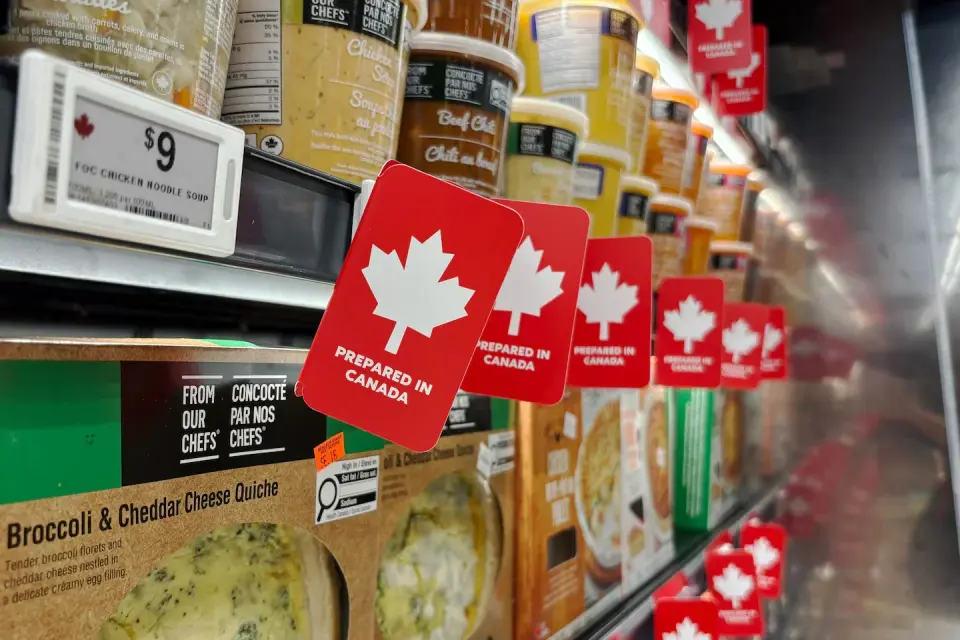
Canadian consumers are intensifying a boycott of US goods and travel in response to President Trump’s aggressive rhetoric and trade policies. Simultaneously, the Canadian government has imposed retaliatory tariffs specifically designed to harm Republican candidates in key swing states ahead of the 2026 midterm elections.
Key points
- Prime Minister Mark Carney praised consumer boycotts as 'the most powerful actions' while announcing $20 billion in retaliatory tariffs.
- Canadian travel to the US dropped 25% in June compared to 2024, and the 'Made in Canada' Facebook group grew from 300,000 to 1.4 million members.
- Industry Minister Mélanie Joly stated tariffs were strategically chosen to target vulnerable Republican states like Maine, Michigan, and Kansas.
- Trump’s rhetoric, including renaming Lake Ontario to 'Lake America' and calling Canada 'nasty,' accelerated the consumer shift away from US products.
- Local producers report surging demand, with some Canadian businesses seeing 'immense' growth in sales of domestic goods.
Background
This escalation follows earlier reports in August 2026 of Canadians pivoting to domestic goods due to trade tensions. The current situation marks a shift from passive consumer adjustment to active political and economic retaliation, coinciding with heightened diplomatic friction.
How outlets are covering it
The Washington Post emphasizes the grassroots consumer movement, highlighting individual efforts to replace US products with Canadian alternatives and the emotional impact of Trump’s rhetoric. The New Republic focuses on the strategic political dimension, arguing that Canada’s tariffs are a deliberate attempt to damage Republican chances in the 2026 midterms, mirroring Trump’s own interference in foreign elections. AP News provides a factual overview of the trade war but contains significant technical noise, offering limited new analysis beyond confirming the ongoing conflict.
Why it matters
The convergence of consumer boycotts and targeted tariffs represents a new phase in US-Canada relations, potentially influencing US domestic politics and signaling a long-term decoupling of the two economies. The success of these measures could reshape trade policy and bilateral alliances.
What to watch
Watch for the impact of Canadian tariffs on Republican candidates in swing states during the fall campaign. Monitor whether consumer boycotts sustain momentum or fade as trade tensions evolve, and observe any further escalations in rhetoric or policy from the Trump administration.
- Bye, America: Trump’s rhetoric pushes some Canadians to shun the U.S. The Washington Post
- Canadian boycott of US products pushes grocers to adapt, explore new supply sources Reuters
- The trade deficit with Canada that's upset Trump so much is due to oil the U.S. buys at a discount fortune.com
- Canada and Iran Have Found Trump’s Achilles’ Heel The New Republic
- Trump widens trade war with Canada beyond tariffs. Here’s what to know AP News
Want the full story? Read the original reporting
Read on The Washington Post