
Trump halts Graham Act sanctions to lower energy costs, defying bipartisan pressure
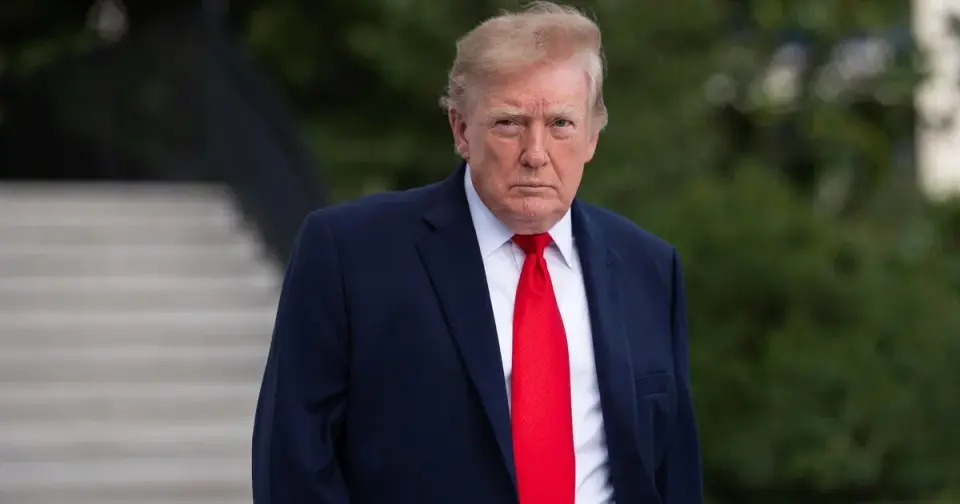
President Trump issued an executive order on Friday night to waive key provisions of the Lindsey O. Graham Sanctioning Russia and Iran Act, preventing 100% tariffs on major Russian oil buyers from taking effect on Sunday. The move, justified as being in the 'national interest,' aims to lower domestic energy prices but has drawn sharp criticism from lawmakers and Ukraine.
Key points
- Trump waived 100% tariffs on the top five importers of Russian crude and gas, including China, India, and Turkey, as well as 500% tariffs on Russian goods.
- The waivers were implemented via executive order, citing the president's authority to suspend sanctions if deemed in the national interest, with a notification sent to Congress.
- The action prevents the full implementation of the Graham Act, which Trump signed into law in September and which was set to take effect on October 18.
- The decision follows a recent deal to import Russian diesel to lower US energy prices, a move that triggered bipartisan backlash in Congress.
- Ukrainian President Volodymyr Zelenskyy called the waiver 'unfortunate,' arguing it encourages Russian aggression by easing financial pressure on Moscow.
Background
The Lindsey O. Graham Sanctioning Russia and Iran Act was passed by Congress in September 2026 with rare bipartisan support. The legislation, named for the late Senator Lindsey Graham, targeted Russian energy revenues and 'shadow fleet' tankers. It granted the executive branch broad discretion to impose tariffs on countries purchasing Russian energy, a provision that drew criticism for expanding presidential power. The law was seen as a critical tool to choke off funding for Russia's war in Ukraine, but Trump has increasingly prioritized lowering domestic energy costs amid high prices linked to the Iran conflict.
How outlets are covering it
CBS News frames the waiver as an 'about-face' for US policy, noting Trump's shift from urging allies to restrict Russian oil to seeking to ease prices by tapping Russian energy. Axios emphasizes the political fallout, highlighting that the move puts Republican midterm candidates in the difficult position of defending a warmer relationship with Russia, which voters view as an enemy. BBC focuses on the legal mechanism, noting that the law was due to take effect on October 18, and highlights the bipartisan letter from 20 lawmakers urging Trump to respect the legislation. While all outlets agree on the facts of the waiver, they differ in emphasis: CBS focuses on the energy price rationale, Axios on the political consequences, and BBC on the legislative timeline and congressional pushback.
Why it matters
The waiver signals a significant shift in US foreign policy, prioritizing domestic energy costs over international sanctions against Russia. It undermines the bipartisan consensus on pressuring Russia to end the war in Ukraine and may embolden Moscow, as noted by Ukrainian officials. The move also sets the stage for a contentious midterm election campaign, where candidates must navigate public opinion on Russia and energy prices.
What to watch
The administration has stated the waivers will remain in place until officials 'determine that further action is appropriate' and will monitor countries importing Russian energy. Congress is expected to continue pushing for enforcement of the Graham Act, with bipartisan groups already condemning the waivers. The outcome of the November midterm elections may influence whether the administration maintains or reverses these sanctions waivers.
- Trump waives tariffs on largest buyers of Russian oil, days before Lindsey Graham-backed law was set to take effect CBS News
- Trump waives new Russia sanctions in the "national interests" Axios
- Russia wants blackout in Ukraine as winter comes — Zelenskyy DW.com
- Trump waives many Russian sanctions, tariffs under new law backed by Lindsey Graham Fox Business
- Trump waives several Russia sanctions as row with Zelensky intensifies BBC
Want the full story? Read the original reporting
Read on CBS News