
Chicago mayor seeks data center moratorium as AI boom strains city resources
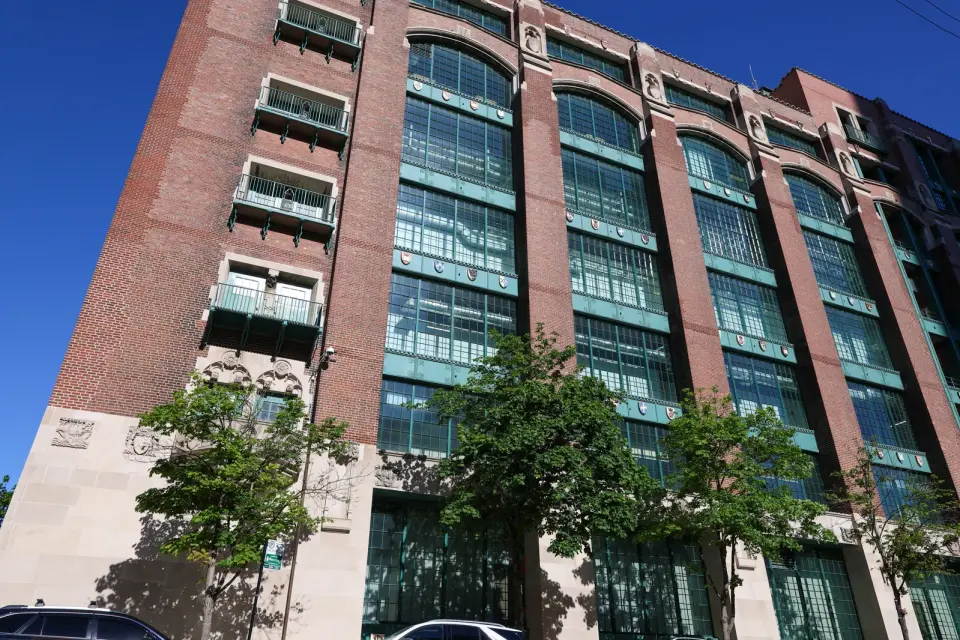
Chicago Mayor Brandon Johnson signed an executive order on August 11, 2026, to tighten oversight of data centers and urged the City Council to enact a moratorium on new construction. The move responds to a surge in facilities driven by AI demand, which has raised concerns about rising utility bills, water usage, and environmental impact. While the order enhances air and noise regulations, it does not ban new centers, leaving the moratorium decision to the council. The city currently hosts 39 data centers, with power consumption forecast to rise significantly, prompting calls for stricter state and local controls.
Key points
- Mayor Johnson’s executive order mandates stricter air pollution evaluations, noise restrictions, and reviews of water and electricity usage for data centers.
- The order does not ban new construction; Johnson urged the City Council to pass a moratorium to pause development while comprehensive rules are developed.
- Chicago has 39 operational data centers, with power usage expected to rise from 1.2 gigawatts to 4.1 gigawatts as planned projects come online.
- ComEd customers saw a 12 percent increase in monthly charges in June 2026, partly due to infrastructure costs associated with data center demand.
- Governor JB Pritzker paused new state tax incentives for data centers in June 2026, following years of significant subsidies to the industry.
Background
Data centers have become a focal point of controversy in Chicago due to their resource-intensive nature. Previous incidents, such as the theft of data-center equipment in June 2026, highlighted the growing presence of this infrastructure. The city’s push for regulation follows a broader national trend, with over 530 jurisdictions restricting data centers. Local opposition has grown, particularly regarding the PsiQuantum development on the Southeast Side, which sparked community backlash in May 2026.
How outlets are covering it
Block Club Chicago emphasizes the technical and economic drivers of data center growth, noting Chicago’s competitive advantages in low electricity rates and cooling costs. It highlights the potential for rising utility bills and water infrastructure strain. The Chicago Tribune focuses on the political dynamics, framing Johnson’s order as a strategic move to align with council critics and address voter concerns about utility costs. The Sun-Times highlights the mayor’s push for a moratorium, underscoring the tension between economic development and environmental protection. All sources agree on the scale of the issue but differ in emphasis: Block Club Chicago on technical impacts, the Tribune on political maneuvering, and the Sun-Times on the need for immediate regulatory action.
Why it matters
The expansion of data centers in Chicago poses significant challenges to the city’s infrastructure, including electricity and water systems. Rising utility bills and environmental concerns have made this a critical issue for residents and policymakers. The outcome of the moratorium debate will influence Chicago’s approach to balancing technological growth with sustainable urban development, potentially setting a precedent for other cities facing similar pressures from the AI boom.
What to watch
The City Council is expected to consider an ordinance requiring data centers to report electricity and water usage, as proposed by Ald. Maria Hadden. The council will also debate the moratorium on new data center construction. State legislators are being urged to pass the POWER Act, which would impose stricter regulations on large-scale data centers. The city’s task force will develop a long-term strategy for regulating data centers, including environmental impact assessments and community benefits agreements.
- Data Centers Are Popping Up Everywhere In Chicago. Here's Where — And Why They're Controversial blockclubchicago.org
- Chicago Mayor Brandon Johnson signs data center order and pushes City Council for moratorium Chicago Tribune
- Mayor Orders New Regulations, Reviews For Chicago Data Centers blockclubchicago.org
- Chicago, Illinois data center news: Mayor Brandon Johnson signs executive order aimed at creating new regulations for data centers ABC7 Chicago
- Mayor Johnson wants City Council to pause data center expansion Chicago Sun-Times
Want the full story? Read the original reporting
Read on blockclubchicago.org