
Coalition of Cities and States Sues to Block Expanded Public Charge Rule
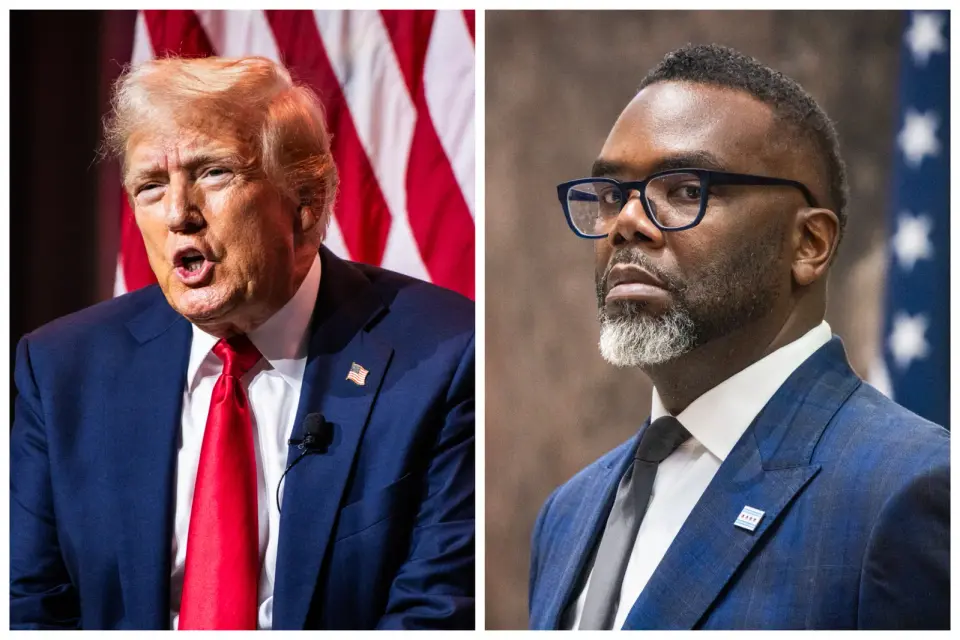
A coalition led by New York City and Chicago filed lawsuits in federal court to block a new Trump administration rule that would deny green cards to immigrants who use public benefits. The rule, effective Friday, expands the definition of 'public charge' to include non-cash aid like food stamps and housing assistance, replacing a narrower Biden-era policy. Plaintiffs argue the measure is unlawful and will cause families to forgo essential services out of fear, while the administration defends it as a necessary safeguard against taxpayer burden.
Key points
- The new public charge rule, announced by DHS in July and effective Friday, allows immigration officials to deny green cards or visas if applicants have used or are likely to use any public benefit, including SNAP, Medicaid, and housing vouchers.
- This change replaces the Biden-era policy, which limited public charge determinations to long-term institutionalization or cash assistance like SSI and TANF.
- New York City, Chicago, San Francisco, Seattle, and counties in California and Washington joined a lawsuit filed in the Southern District of New York, joined by 22 states including Illinois and California.
- Plaintiffs argue the rule is vague, violates over a century of legal precedent, and will deter eligible individuals, including U.S. citizens, from accessing vital health and food programs.
- The Trump administration and DHS defend the rule as a measure to protect American taxpayers from subsidizing immigrants who may become dependent on government assistance.
Background
This litigation follows a broader trend of local and state governments challenging federal immigration policies. In August 2026, New York City faced controversy over a grocery discount program involving customer cards, which critics likened to voter ID measures. Additionally, in September 2026, a coalition of 22 states and the District of Columbia filed similar lawsuits targeting the same public charge rule, arguing it strains emergency services and reduces participation in aid programs. These actions reflect ongoing tensions between sanctuary jurisdictions and the federal government regarding the scope of public benefits and immigration eligibility.
How outlets are covering it
Block Club Chicago and New York Daily News emphasize the humanitarian impact, citing Mayor Brandon Johnson and Mayor Zohran Mamdani’s warnings that the rule forces families to choose between food, healthcare, and legal status. Mamdani specifically cited studies suggesting a 10.6% increase in premature death in immigrant communities within five years. Fox News frames the issue through the lens of fiscal responsibility, quoting White House spokeswoman Lauren Bis and USCIS spokesperson Zach Kahler, who argue that immigrants must support themselves and that the rule protects taxpayers from subsidizing 'illegal aliens.' The New York Daily News highlights the legal argument that the rule exceeds DHS authority and ignores Congressional intent, while Fox News notes the administration’s stance that 'extreme Democrats' are fighting to provide benefits to those who should not receive them.
Why it matters
The outcome of these lawsuits will determine whether a significant expansion of the public charge rule takes effect, potentially altering immigration eligibility for millions of lawful residents. If upheld, the rule could lead to a 'chilling effect' where eligible individuals, including U.S. citizens, avoid using essential safety-net programs, increasing long-term costs for states and municipalities. If blocked, it preserves the narrower Biden-era standard, maintaining access to benefits without immediate immigration consequences. The case also sets a precedent for the balance of power between federal immigration authorities and state/local governments regarding the definition of public dependency.
What to watch
The lawsuits are currently pending in the U.S. District Court for the Southern District of New York, with the rule set to take effect this Friday. Courts will need to decide whether to issue injunctions blocking the implementation. The administration may appeal any lower court rulings, potentially leading to higher court involvement. The practical impact on immigration applications and public benefits usage will depend on the final legal ruling and any subsequent policy adjustments by the Trump administration.
- Chicago Joins New York City In Suing Trump Administration Over New Green Card Restrictions Block Club Chicago
- Mamdani Sues Trump Administration Over New Immigration Rule WSJ
- Mamdani, Other Mayors Sue Trump Over Rule Denying Green Cards To Immigrants Who Use Public Aid Yahoo
- Mamdani blasts feds for waging 'campaign of violence and terror' against NYC's immigrants foxnews.com
- NYC, state file lawsuits to block Trump rule tying green card eligibility to public benefit use New York Daily News
Want the full story? Read the original reporting
Read on Block Club Chicago