
Colorado bars DOJ observers from Adams County polls after failed negotiations
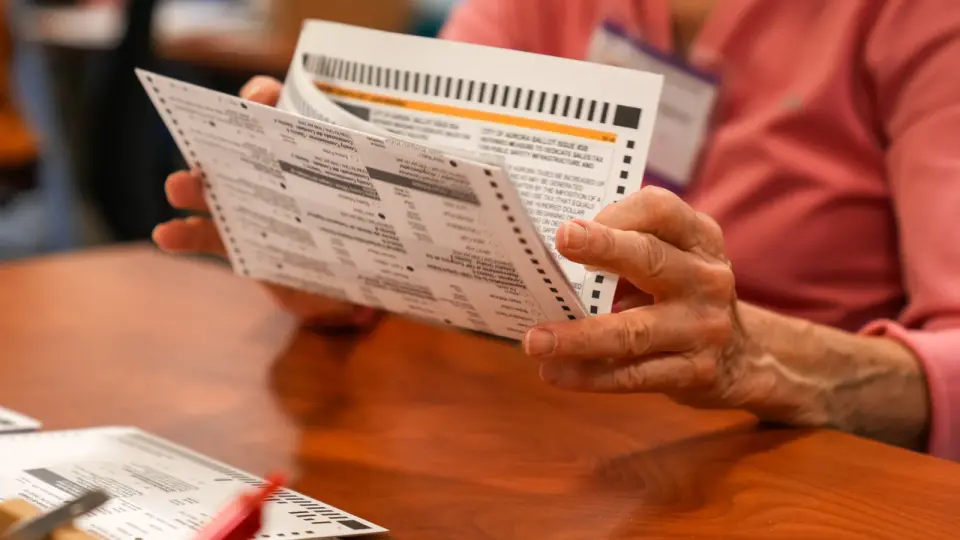
The Department of Justice plans to deploy approximately 1,000 federal observers to polling places across the United States for the November 3 midterms. While the DOJ frames this as a routine measure to ensure compliance with federal voting laws, local officials and civil rights groups argue the deployment is unprecedented and designed to intimidate voters, particularly in districts with large Hispanic populations. In Colorado, Secretary of State Jena Griswold blocked DOJ observers from entering a 100-foot radius around Adams County polling centers after the federal agency refused to accept strict state restrictions. The NAACP has sued to halt the program, while the DOJ maintains its monitors will only observe and not interfere with the voting process.
Key points
- The DOJ is deploying roughly 1,000 personnel to monitor elections in all 50 states, with a focus on jurisdictions requiring language assistance or having prior consent decrees.
- Colorado Secretary of State Jena Griswold barred DOJ observers from Adams County after they refused to agree to restrictions prohibiting photography, direct voter interaction, and access to voting equipment.
- Adams County Clerk Josh Zygielbaum, a Democrat, expressed concern that the presence of federal criminal prosecutors could be perceived as an attempt to create criminal cases against local election officials.
- The NAACP has filed a lawsuit arguing the DOJ lacks statutory authority for this deployment and that it constitutes voter intimidation, particularly targeting minority communities.
- In Maine, state officials updated training materials to address potential federal interference, while far-right media outlets have been accused of harassing voters in Lewiston.
Background
This development follows a series of legal challenges and tensions between federal and state election officials in the lead-up to the 2026 midterms. In early October, the NAACP sued the DOJ to compel the release of records regarding the deployment, arguing it was an unprecedented operation lacking legal basis. Additionally, ICE has been integrating voter data into surveillance tools to investigate alleged noncitizen voting, a move critics have condemned as an attack on democracy. Federal courts have also questioned the DOJ's authority to intervene in state-level ballot counting processes, as seen in recent 9th Circuit rulings regarding California mail ballots.
How outlets are covering it
Outlets highlight differing views on the DOJ's motives and impact. USA Today reports that local officials, including Adams County Clerk Josh Zygielbaum, view the deployment as a violation of trust, noting that the county has no history of election fraud or complaints. Zygielbaum fears the presence of criminal prosecutors could lead to wrongful surveillance. The Intercept emphasizes the potential for voter suppression, citing fears in Maine that federal agents or far-right activists might harass voters, particularly those from the Somali American community. The Denver Post focuses on the legal and logistical clash in Colorado, detailing how Secretary of State Jena Griswold successfully barred DOJ observers from polling centers after the federal agency refused to comply with state-mandated restrictions on photography and interaction. While the DOJ maintains its observers are there to ensure compliance with federal laws, critics argue the scale and targeting of the deployment are intended to intimidate voters and challenge the integrity of the election results.
Why it matters
The deployment of federal election observers raises significant questions about the balance of power between federal and state governments in election administration. If the DOJ's actions are perceived as intimidation, they could suppress voter turnout, particularly among minority groups, potentially impacting the outcome of close races. The legal challenges and state-level restrictions highlight the growing tension over the definition of election integrity and the role of federal oversight in a polarized political environment.
What to watch
The DOJ plans to release a full list of counties where it is sending observers early next week. The NAACP lawsuit seeks to halt the deployment, and state officials across the country are preparing to enforce their own restrictions on federal observers. The outcome of the midterms will be closely watched for any evidence of voter suppression or federal interference, with potential legal challenges expected if results are contested.
- Elections chiefs worry as Trump administration dispatches poll monitors USA Today
- Federal officials reject Colorado’s conditions for election monitors in Adams County Yahoo
- South Portland added to list of Maine cities where Justice Department will send election monitors Portland Press Herald - Maine Sunday Telegram
- Trump Vows to Send Election “Monitors” to Maine After Far-Right Conspiracies Spread The Intercept
- Colorado restricts U.S. Justice Department’s election observers in Adams County The Denver Post
Want the full story? Read the original reporting
Read on USA Today