
Cornell Case Sparks Progressive Split Over Intoxication Laws and Special Prosecutor Bias
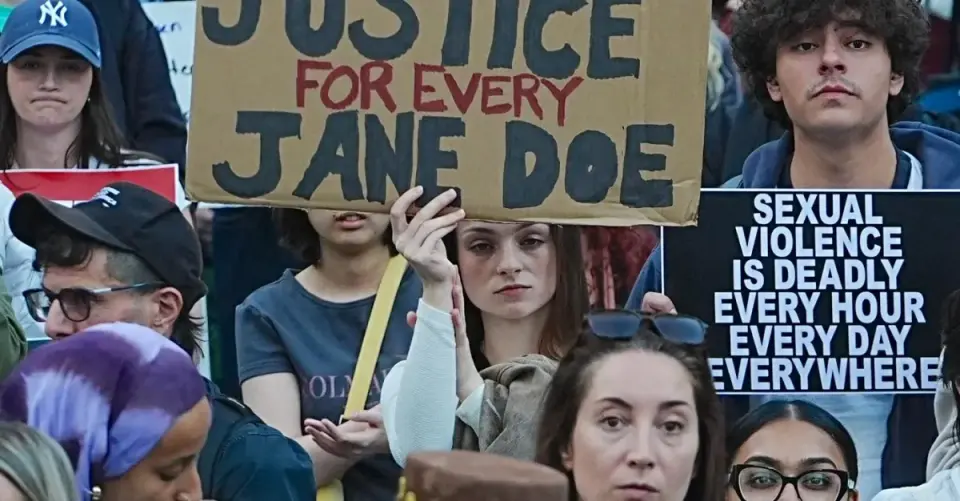
The 2024 Cornell University sexual assault allegations have triggered a political and legal crisis in New York. Governor Kathy Hochul appointed Attorney General Letitia James as special prosecutor after local authorities declined to charge the seven accused men. This move has exposed a deep divide within the progressive coalition: victims' rights advocates are pushing to close the 'voluntary intoxication loophole' in state law, while criminal justice reformers fear such changes will exacerbate mass incarceration. Simultaneously, the defense is challenging James's impartiality, citing her public support for the accuser prior to her appointment.
Key points
- Gov. Kathy Hochul appointed AG Letitia James as special prosecutor on Oct. 1, 2026, replacing the Tompkins County DA after the local office declined to file criminal charges in the 2024 case.
- The case has reignited efforts to amend New York law to close the 'voluntary intoxication loophole,' which currently prevents prosecution if a victim voluntarily consumed alcohol or drugs, even if they were incapacitated.
- Progressives are split on the reform: victims' rights advocates support the change to ease prosecution, while criminal justice reformers oppose it, fearing it will be weaponized against minority communities.
- Attorneys for defendant Gillio Lopes and Winston Lee have filed motions to disqualify James, arguing her Sept. 28 social media post supporting the accuser demonstrates bias and presumption of guilt.
- A hearing regarding James's appointment is scheduled for Oct. 29 in Sullivan County, presided by Judge James Farrell, to determine if she can continue as special prosecutor.
Background
This development follows the initial decline of criminal charges by the Tompkins County DA in late 2024, which cited the voluntary intoxication loophole. Previous coverage noted that New York lawmakers formed a working group in October 2026 to address this legal gap, and Cornell University hired former Deputy AG Sally Yates to review its internal handling of the case. The current dispute over the special prosecutor's impartiality and the legislative push for consent law reform represent the latest escalation in a case that has remained unresolved for two years.
How outlets are covering it
Vox highlights a fundamental ideological rift within the progressive movement, noting that while Democrats like Rep. Alexandria Ocasio-Cortez and Sen. candidate Abdul El-Sayed have expressed strong sympathy for the accuser, criminal justice reformers are skeptical of new tough-on-crime laws. NBC News and The River Reporter focus on the procedural battle, detailing the legal motions filed by the defense to remove James based on her public statements. Fox News emphasizes the defense's argument that James's empathy for the victim compromises her neutrality, contrasting this with James's assertion that 'politics stops at the door' of her office. While all sources agree on the facts of the appointment and the pending hearing, they differ in emphasis: Vox frames it as a policy debate, while the others frame it as a legal and impartiality dispute.
Why it matters
The outcome of this case and the potential legislative changes could redefine sexual assault prosecution standards in New York. If the voluntary intoxication loophole is closed, it may make it easier to prosecute cases where victims are conscious but incapacitated. However, the legal challenge to the special prosecutor's appointment could delay the investigation, while the progressive split over the reform highlights the tension between victims' rights and criminal justice equity in the current political landscape.
What to watch
A hearing on Oct. 29 will determine if AG Letitia James remains the special prosecutor for the Cornell case. Legislative efforts to amend the voluntary intoxication law are expected to continue in the 2027 session, with the outcome potentially influenced by the political debate over the case's handling.
- The Cornell rape case has surfaced a hidden divide among progressives Vox
- New York AG James files opposition to effort to bar her from Cornell investigation NBC News
- Cornell defense fights to boot Letitia James from fraternity probe, warning she cannot be fair to client Fox News
- Iowa attorney explains complexities of sexual assault cases in wake of 'Cornell 7' investigation weareiowa.com
- Cornell sexual assault case to hold hearing in Sullivan County The River Reporter
Want the full story? Read the original reporting
Read on Vox