
Court Orders Depositions to Unmask Sender of Texas Transgender Mailers
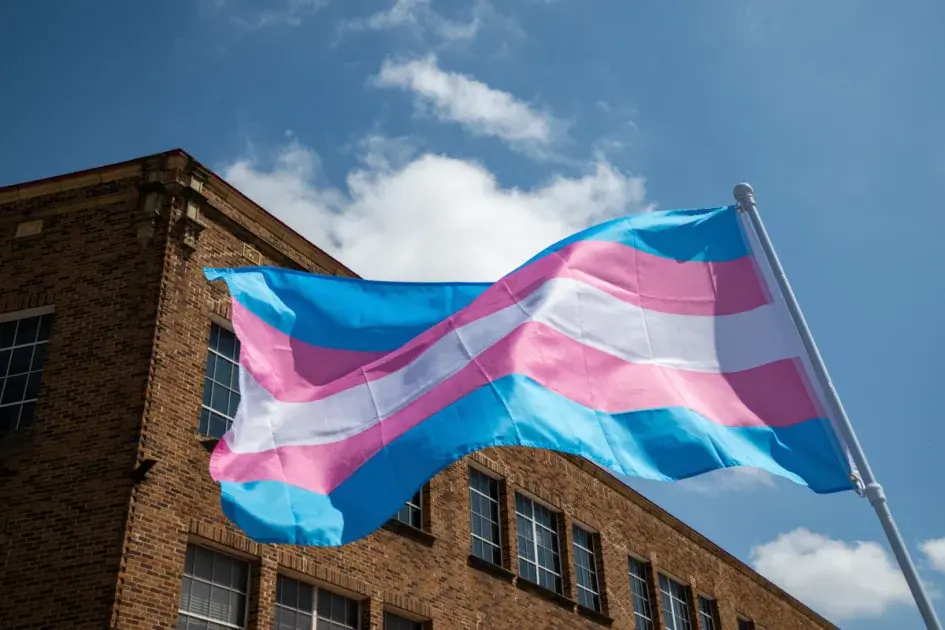
A Travis County judge has ordered depositions to identify the entities behind a controversial text and mail campaign targeting transgender youth in Texas. The campaign, which falsely linked the Transgender Education Network of Texas (TENT) to materials about gender-affirming care, has drawn scrutiny from law enforcement and political figures. While a messaging firm identified the Republican Women’s Caucus Fund as a client, the group denies involvement, and a Wyoming-registered entity remains the primary suspect for the physical mailers.
Key points
- Travis County District Judge Jan Soifer ordered depositions for messaging company Infobip and the Texas Transgender Student Union to reveal the identities behind the campaign.
- Infobip’s deposition identified the Republican Women’s Caucus Fund and an individual named John Braun as clients for the text messages, though the fund denies any authorization or funding of the activity.
- The physical mailers were sent via a bulk mail permit held by Three Z Printing in Illinois, but the return address listed the Texas Transgender Student Union, an LLC registered in Wyoming in September 2026.
- West Texas District Attorney Sarah Stogner opened a criminal investigation into the mailers for potential forgery and election interference.
- State Representative Jeff Leach has requested an investigation by the Texas Attorney General’s office into the origin of the materials.
Background
This incident occurs amid a broader surge in Republican spending on transgender issues during the 2026 midterm cycle, with an estimated $183 million spent on related television ads. The current campaign, however, is distinct for its use of deceptive direct mail and text messaging that mimics the branding of legitimate advocacy groups like TENT to incite public backlash and threats of violence against the organization.
How outlets are covering it
The Texas Tribune reports that a deposition from Infobip directly links the Republican Women’s Caucus Fund to the text messages, though the fund categorically denies involvement and claims it is pursuing legal remedies. CBS News emphasizes the procedural aspect of the case, highlighting that the USPS identified Three Z Printing as the holder of the bulk mail permit used for the flyers, while noting that the Wyoming-registered entity behind the mailers has cut ties with its registered agent. Both outlets agree that the campaign was designed to harm TENT’s reputation and agitate voters before the midterms, but they differ in emphasis: the Tribune focuses on the political connection to the GOP fund, while CBS focuses on the logistical trail of the mailers and the legal petition to identify unknown defendants.
Why it matters
The case highlights the growing use of deceptive direct marketing and digital messaging to influence voter sentiment and harass advocacy groups during election cycles. The involvement of a national political fund, even if denied, suggests potential coordination between national and local actors to exploit cultural divisions. The criminal investigation and court-ordered depositions signal a shift toward legal accountability for election interference tactics that rely on impersonation and false attribution.
What to watch
The depositions ordered by Judge Soifer will likely reveal more details about the financial and operational connections between the messaging company, the Republican Women’s Caucus Fund, and the Wyoming-registered entity. The criminal investigation by District Attorney Sarah Stogner may lead to charges if evidence of forgery or election interference is found. The outcome of these proceedings could set a precedent for how courts and law enforcement handle deceptive political mail and digital campaigns that misrepresent advocacy organizations.
- Deposition ties national GOP women’s group to texts about transgender youth The Texas Tribune
- Fight over transgender mystery mailers heads to court CBS News
- Judge orders group behind trans mailers to sit for deposition The Texas Tribune
- GOP women's group behind fake transgender mailer campaign Houston Chronicle
- We now know who is behind the fake transgender brochures mailed across Texas Click2Houston
Want the full story? Read the original reporting
Read on The Texas Tribune