
Courts Block DOJ Ballot Sequestration as Analysis Reveals 42% Error Rate in Noncitizen Voter List
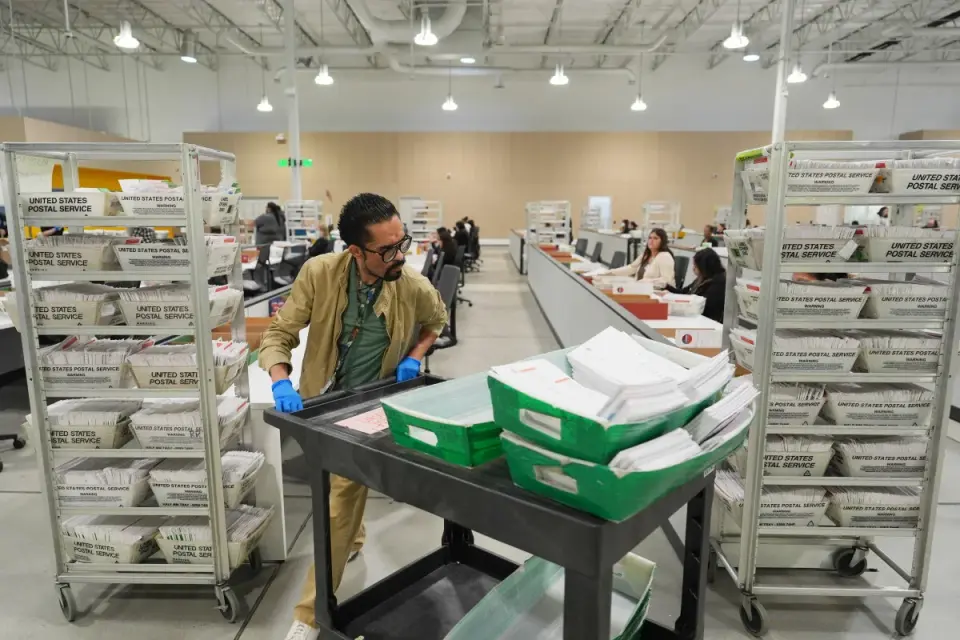
Federal courts have issued a series of rulings blocking the Trump administration from forcing California to sequester over 20,000 mail-in ballots flagged as potentially belonging to noncitizens. A new analysis by UCLA researchers found that 42% of the names on the Justice Department’s list do not appear on California’s voter rolls, while thousands of confirmed U.S. citizens were incorrectly flagged. The 9th Circuit Court of Appeals rejected the administration’s emergency appeal, calling the demand unconstitutional. Meanwhile, Judge Trina Thompson issued a sweeping order protecting election workers from criminal threats and coercive tactics by federal agencies. The administration has faced similar rejections in Washington state, where officials cited data errors, including voters from the 1990s, in rejecting a similar demand.
Key points
- UCLA Voting Rights Project analysis found 8,880 names (42%) on the DOJ’s 20,930-name list are not in California’s current voter file.
- The 9th Circuit Court of Appeals denied the administration’s request to impound ballots, citing the Elections Clause and state authority.
- Judge Trina Thompson issued a temporary restraining order barring DOJ and DHS from threatening election officials with criminal prosecution or coercive demands.
- The analysis identified at least 22 confirmed U.S. citizens and nearly 7,500 naturalized citizens likely to be incorrectly flagged as ineligible.
- The DOJ removed voter identification numbers from the list, complicating verification efforts for local election officials.
Background
This dispute follows earlier tensions in October 2026, when the DOJ first demanded California sequester ballots from 20,000 individuals flagged as noncitizens. State officials immediately challenged the list’s reliability, noting that federal data-matching methods had previously led to thousands of erroneous registrations. The current legal battles are part of a broader federal push to enforce immigration laws through election administration, which critics argue violates state sovereignty and the Voting Rights Act. Previous coverage highlighted that while some noncitizens may be on voter rolls due to clerical errors, the scale of the DOJ’s demands and the method of enforcement have drawn significant legal and political backlash.
How outlets are covering it
The Department of Justice maintains that separating ballots is necessary to protect the integrity of the vote, with spokesperson Kiersten V. Pels arguing that every ineligible ballot cancels out a citizen’s vote. The administration has also threatened criminal liability for election officials who fail to comply. In contrast, the Los Angeles Times and CNN emphasize that federal judges, including Trump appointees, have ruled these actions unconstitutional and a threat to democracy. The New York Times highlights the 9th Circuit’s rejection of the emergency appeal as a clear rebuke of executive overreach. UCLA researchers and the Coalition for Humane Immigrant Rights argue that the list is rife with errors and disproportionately targets naturalized citizens, while California Attorney General Rob Bonta described the administration’s efforts as a desperate lashing out against the will of voters. The administration has remained silent after missing a deadline to appeal the 9th Circuit’s ruling to the Supreme Court.
Why it matters
The rulings establish a precedent that federal agencies cannot use immigration data to override state election procedures or threaten election workers with criminal charges. The high error rate in the DOJ’s list undermines the administration’s claim of widespread voter fraud and highlights the risks of disenfranchising eligible voters. As the November 3 midterms approach, the legal victories for states and civil rights groups may influence how other jurisdictions respond to similar federal demands, potentially setting a broader standard for the separation of election administration and immigration enforcement.
What to watch
The Trump administration has appealed Judge Thompson’s order but missed a deadline to seek review of the 9th Circuit’s ruling by the full appellate court. The administration has not immediately appealed to the Supreme Court. The temporary restraining order issued by Judge Thompson expires on November 16, after which the administration may attempt to resume its pressure campaign. The outcome of the November 3 midterms will likely determine whether the administration continues its legal challenges or shifts focus to other priorities. State election officials in California and Washington will continue to process ballots as normal, deferring to the court orders that protect their authority and the rights of voters.
- More than 40% of names on DOJ list of alleged noncitizens not on California's voter rolls: analysis AP News
- Cascade of court rulings rebuffs Trump administration’s election efforts Los Angeles Times
- Election 2026 live updates: Judge orders Trump administration to stop threatening election officials NBC News
- Appeals Court Again Rejects Trump Effort to Impound California Ballots The New York Times
- Judge imposes sweeping emergency order halting DOJ pressure campaign on election officials across the country CNN
Want the full story? Read the original reporting
Read on AP News