
Democratic Absences Help Republicans Shelve Hegseth Impeachment Effort
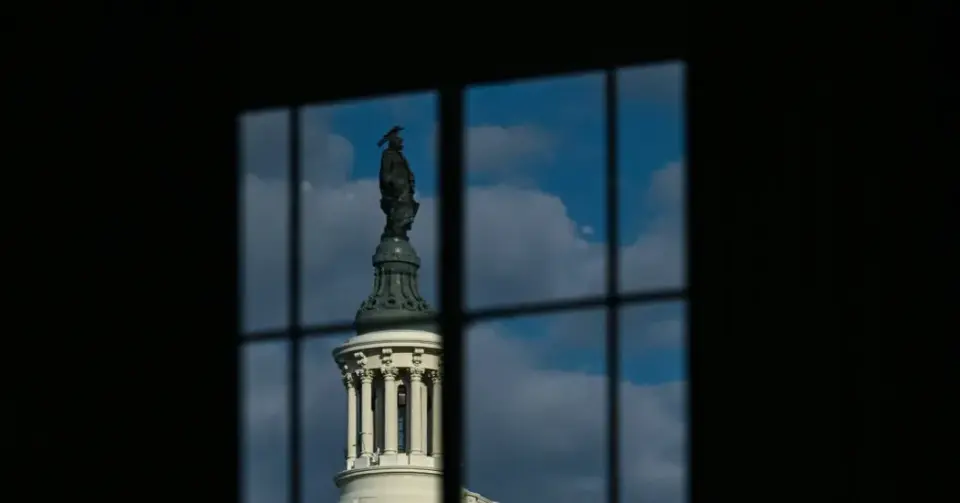
House Republicans successfully blocked an impeachment effort against Defense Secretary Pete Hegseth on Tuesday, Nov. 10, 2026, by voting 211-204 to refer the resolution to committee. The narrow margin relied on 11 absent Democrats, many of whom cited traffic delays or personal emergencies. This occurred one week after Democrats won sweeping midterm victories, leading to internal party backlash. While the current effort is dead, Democrats plan to retry the impeachment when they take control of the House in January.
Key points
- The House voted 211-204 to refer eight articles of impeachment against Pete Hegseth to the Judiciary Committee, effectively killing the measure for the current Congress.
- Eleven Democrats were absent from the vote, a margin that allowed Republicans to shelve the charges despite the party's recent midterm election victories.
- The impeachment articles, proposed by outgoing Rep. Thomas Massie, alleged Hegseth violated the constitution regarding the Iran war, unauthorized operations in Venezuela and Yemen, and retaliation against Democratic Senator Mark Kelly.
- President Trump celebrated the outcome as an 'exoneration' of Hegseth, while the Pentagon declared a 'total victory.'
- Democrats, including incoming Speaker Hakeem Jeffries, vowed to pursue impeachment again when they assume control of the House in January 2027.
- Rep. Katherine Clark, the No. 2 Democrat, scolded absent lawmakers in a closed-door meeting, raising questions about party discipline.
Background
This vote occurred during a lame-duck session following the November 2026 midterm elections, where Democrats secured majorities in both chambers. The impeachment effort was first introduced by Rep. Thomas Massie in September 2026. Prior to the vote, Hegseth had faced criticism for his handling of the Iran conflict and his management of the military, including blocking promotions and restricting press access. The current Congress is set to end, with Democrats taking over leadership roles in January.
How outlets are covering it
The New York Times emphasizes the internal Democratic backlash, highlighting that Rep. Katherine Clark scolded absent members and that the absences cast a shadow over the party's recent electoral triumphs. The Guardian focuses on the constitutional allegations in Massie's resolution, detailing specific charges such as the strike on a school in Minab, Iran, and 'extrajudicial killings' in the Caribbean. The Hill highlights the future implications, noting that Sen. Ted Cruz predicted Hegseth would eventually resign, be fired, or be impeached, and that Democrats plan to retry the effort in the next Congress. While all sources agree on the vote count and outcome, they differ in emphasis: The Times on party discipline, The Guardian on the specific legal charges, and The Hill on the long-term political trajectory.
Why it matters
The failure to impeach Hegseth in the current Congress highlights a temporary gap in Democratic power despite their midterm wins. However, the event signals a likely continuation of the conflict in the 120th Congress, where Democrats hold the majority. It also underscores the fragility of party unity and the potential for procedural setbacks to delay accountability for executive actions, particularly regarding the Iran war and military management.
What to watch
Democrats are expected to reintroduce the impeachment resolution when they take control of the House in January 2027. Hakeem Jeffries, the incoming Speaker, has expressed strong support for the effort. The Senate, currently controlled by Republicans, would need to approve any impeachment, but Democrats may gain control of the Senate in the 2028 elections or through other means. For now, the resolution is dead in the 119th Congress, but the political fight is expected to continue.
- Democrats Face Backlash After Missing Hegseth Impeachment Vote The New York Times
- Democratic lawmakers apologize after absences on Hegseth vote The Washington Post
- House Republicans block effort to impeach Pentagon chief Pete Hegseth The Guardian
- Cruz says Hegseth will resign, be fired or get impeached The Hill
- Missing Democrats Fuel Party Backlash After Hegseth Impeachment Effort Fails WSJ
Want the full story? Read the original reporting
Read on The New York Times