
Army Detonates Unstable Lead Azide in Iowa, Triggering Toxic Plume Concerns
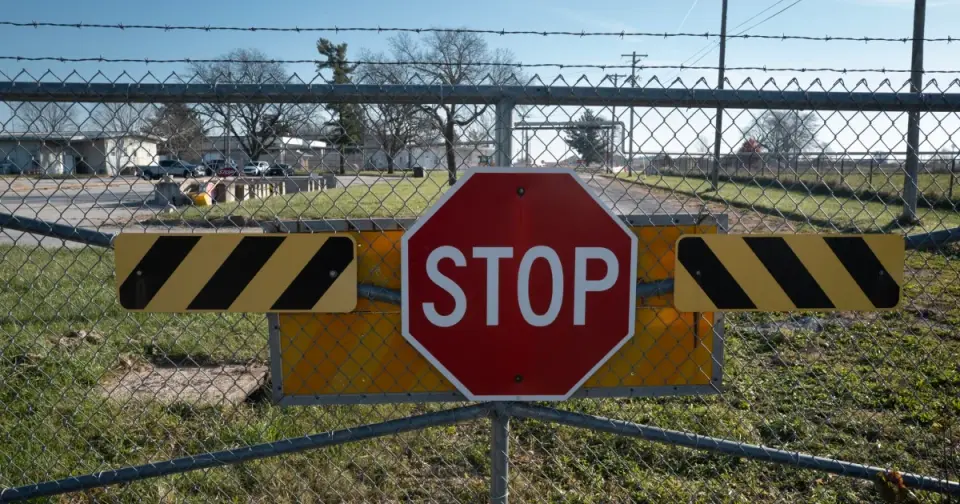
The U.S. Army detonated approximately 9,700 pounds of unstable lead azide at the Iowa Army Ammunition Plant in Middletown on Wednesday morning. Officials stated the controlled blast was necessary to prevent a spontaneous explosion of the degraded material, which had become highly sensitive due to recrystallization. While the Army implemented mitigation measures to contain the dust, projections indicate the toxic plume could travel up to 100 miles southwest into Missouri. Residents in a five-mile radius were evacuated, and those within 20 miles were advised to shelter in place. The operation follows a legal dispute where an appeals court lifted a stay on the environmental permit, allowing the detonation to proceed despite concerns over long-term lead contamination.
Key points
- The detonation occurred at 9 a.m. CT at the Iowa Army Ammunition Plant in Middletown, involving 68 drums of lead azide.
- The Army cited the material's 'recrystallization' as the reason for the urgent disposal, warning that it posed a risk of spontaneous explosion.
- Mitigation strategies included sand-filled HESCO barriers, water walls, and foam blocks, with officials claiming over 75% of particulate matter would be contained.
- The projected plume could travel 100 miles southwest, potentially crossing into northeastern Missouri, based on weather conditions.
- FEMA provided temporary lodging for evacuees through Friday, while the Army committed to testing soil and cleaning properties exceeding 200 parts per million of lead contamination.
- The detonation proceeded after the Eighth Circuit Court of Appeals lifted a stay on the EPA’s emergency permit, overriding earlier legal challenges.
Background
Previous coverage indicated the detonation was initially scheduled for November 20 but faced delays due to legal stays and weather concerns. The material, phased out from bomb triggers about 15 years ago, was moved to the plant in 2009. Critics argued the explosives should have been chemically degraded earlier, while the Army maintained that the material was too volatile to transport or handle safely without detonation.
How outlets are covering it
The Army and outgoing Iowa Governor Kim Reynolds emphasized the necessity of the controlled detonation to prevent a potentially catastrophic uncontrolled explosion, with Reynolds declaring a disaster emergency for three counties. Conversely, local residents and environmental experts expressed deep concern over the long-term health impacts of lead exposure. Purdue University professor Andrew Whelton criticized the lack of an evidence-based plan for post-blast safety assessments, while University of Iowa toxicologist Peter Thorne questioned why the hazardous material was not dealt with years ago. BBC reports highlighted a divide in public opinion, with some residents in Middletown preferring the controlled blast to an accidental one, while others in surrounding farming communities feared permanent contamination of their land and water sources. KCRG noted that the Army informed residents in mid-October, but some local officials, such as Fort Madison’s city manager, claimed they were not notified until November 17, contributing to public frustration over the lack of transparency.
Why it matters
The detonation highlights the complex risks associated with the disposal of legacy military explosives and the potential for long-term environmental contamination. Lead is a potent neurotoxin with no safe level of exposure, posing significant risks to children and agricultural communities. The incident underscores the tension between immediate safety measures and long-term environmental health, as well as the challenges of communicating risk to local populations during emergency military operations.
What to watch
Environmental monitoring teams will follow the plume’s path to collect soil, water, and surface samples to verify lead levels against baseline models. The Army has pledged to remediate any residential properties found to exceed 200 parts per million of lead contamination at government expense, though specific timelines for testing and cleanup remain unclear. Independent scientists from the University of Iowa are also conducting monitoring to assess the degree of danger associated with the exposure.
- Army to detonate cache of lead explosives Wednesday, sending toxic plume across Iowa NBC News
- Feds have added mitigation strategies, local aid ahead of lead azide detonation Iowa Capital Dispatch
- HAPPENING TODAY: Army to detonate lead azide at Iowa ammunition plant KCRG
- 'This could be apocalyptic' - Iowans hunker down for controlled blast of explosives stockpile BBC
- Shelter the Livestock, Farmers Were Told. But Where Do You Hide a Herd? The New York Times
Want the full story? Read the original reporting
Read on NBC News