
Democratic Early Voting Surge Faces Structural Headwinds in 2026 Midterms
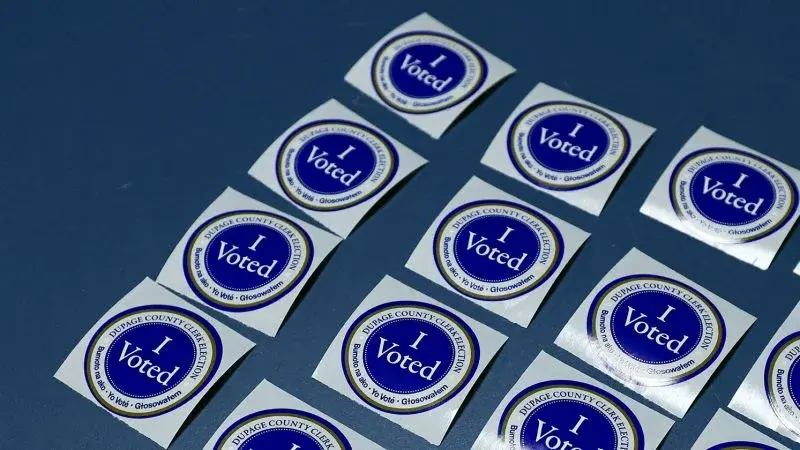
Early voting data indicates a significant Democratic advantage in voter motivation, with higher ballot request shares in key states like Virginia, Iowa, and Pennsylvania compared to 2024. However, this enthusiasm faces structural challenges, including Republican-controlled redistricting and a substantial financial advantage. While Democrats lead in primary turnout and early mail ballots, the Senate map remains difficult, requiring wins in red states like Georgia and Michigan to secure a majority.
Key points
- Over 700,000 Americans have voted early across 30 states, with Democrats comprising a larger share of ballot requests than in 2024 in states like Iowa (67% vs. 54%) and Pennsylvania (66% vs. 62%).
- Virginia shows the strongest Democratic momentum, with early voting in pro-Harris areas reaching 78% of 2024 levels, while pro-Trump areas are at 61%. Democratic primary participants outpace Republicans by 18 points statewide.
- Republicans maintain a financial edge, with an estimated $888 million advertising war chest compared to $666 million for Democrats, and hold 53 Senate seats, requiring Democrats to win at least four GOP-held seats to gain a majority.
- Voters aged 65 and older make up a larger share of early mail voters this year, continuing a trend since 2020, though early voting data does not reveal party preference for individual ballots.
- Tom Perez, former DNC chair, warns that primary enthusiasm does not guarantee November success, citing the 2018 'blue wave' where Democrats won the House but lost Senate seats in red states.
Background
This development follows earlier coverage of early voting kickoff in September 2026, where campaigns focused on inflation and the Iran war. Recent polls indicated a shift among Democrats toward in-person voting due to concerns over mail-in delays, while Democrats capitalized on the House's early adjournment. The current data builds on these trends, showing whether early enthusiasm translates into broader electoral gains.
How outlets are covering it
CNN and The New York Times emphasize the Democratic advantage in early voting and primary turnout, highlighting higher ballot request shares and primary participation in key states. Voz.us, citing NYT analysis, counters that this enthusiasm may not overcome structural Republican advantages, including redistricting in states like Florida and Texas, and a significant financial gap. While CNN notes the data's limitations, such as the older demographic skew of early voters, Voz.us stresses that the Senate map remains difficult, with decisive battles in red states like Georgia and Michigan. All sources agree that early voting data is a positive signal for Democrats but does not guarantee a national victory, particularly for the Senate.
Why it matters
The 2026 midterms will determine control of Congress, with the Senate map particularly challenging for Democrats. Early voting trends suggest a potential shift in voter motivation, but structural factors like redistricting and funding disparities could offset this advantage. Understanding these dynamics is crucial for predicting the outcome of the election and its implications for legislative power in the next Congress.
What to watch
As Election Day approaches, attention will shift to whether early voting enthusiasm translates into higher overall turnout. Campaigns will likely focus on competitive House races and key Senate states, with Democrats needing to secure wins in red states to gain a majority. The financial gap and redistricting advantages will remain critical factors, potentially influencing the final outcome despite early voting trends.
- Early voting data shows emerging signs of a Democratic advantage in the midterms CNN
- Democratic Turnout Surged in the Primaries. Will It Matter in November? The New York Times
- Tracking early voting in the 2026 US midterm election CNN
- Democratic euphoria in the primaries doesn't guarantee a turnaround in the midterms: The map and the money are still on the Republican side voz.us
- The Turnout Race Yahoo
Want the full story? Read the original reporting
Read on CNN