
Democrats Draft Sweeping Reforms to Reverse Trump's Executive Power Expansion
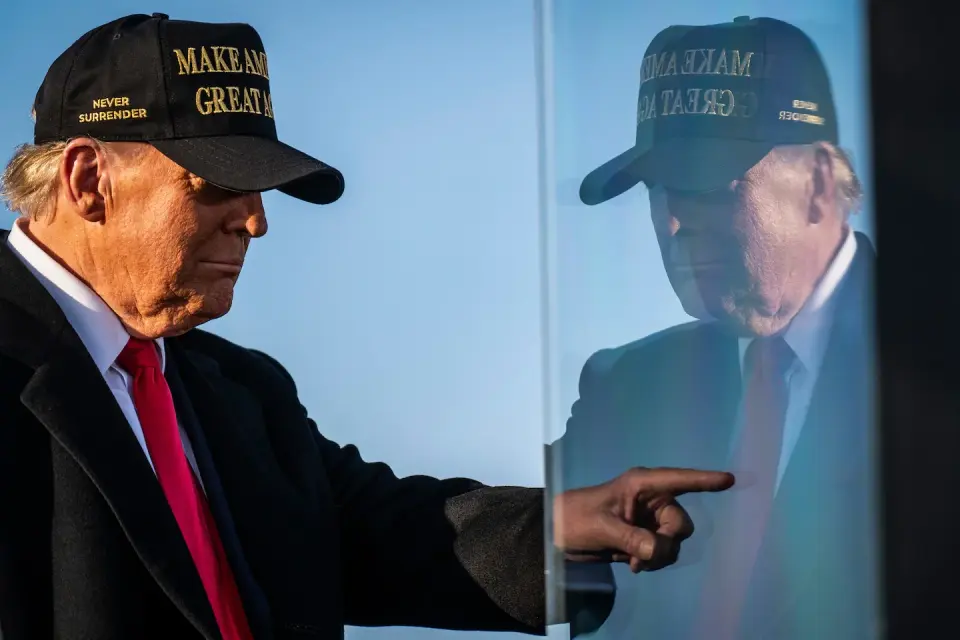
Democratic lawmakers are drafting legislation to restrict presidential emergency powers, insulate the Justice Department from political influence, and ban first-family self-dealing. These efforts aim to reverse structural changes from Trump's second term before the 2026 midterms. Critics argue such reforms are symbolic, while supporters view them as necessary to restore institutional norms.
Key points
- Rep. Jamie Raskin and others are drafting bills to limit presidential emergency declarations and require congressional consent for tariffs.
- Proposals include banning foreign gifts to the first family, requiring blind trusts for officials, and restricting White House renovations.
- The Partnership for Public Service is advocating for stronger civil service protections to prevent mass firings of government employees.
- A Pew poll indicates 78% of Americans are concerned about expanding presidential power, providing potential public support for reforms.
- Some Democrats are considering a 'No Political Enemies Act' to prohibit prosecuting individuals for their speech.
Background
Recent polls show rising concerns about government corruption and executive overreach, with 89% of Americans viewing corruption as widespread. Democrats have already signaled intent to launch broad oversight investigations into Trump's financial dealings and pardons if they regain the House majority.
How outlets are covering it
The Washington Post highlights the proactive legislative strategy of Democrats, framing it as a necessary 'reconstruction' of democratic norms. In contrast, Atalayar's opinion piece dismisses these efforts as 'lightheaded' assumptions, arguing that Trump's physical and geopolitical changes, such as the White House ballroom and strained relations with Canada, are irreversible. Conservative voices, including Heritage Action, argue that Trump is merely using powers previously exercised by Democratic presidents, rendering Democratic reforms hypocritical and ineffective.
Why it matters
The success or failure of these legislative efforts will determine whether the expansion of executive authority seen during Trump's second term becomes a permanent precedent or is reversed. It also reflects the broader struggle over the balance of power between the executive and legislative branches in a polarized political environment.
What to watch
The outcome of the 2026 midterm elections will be crucial. If Democrats gain majorities in Congress, they may attempt to pass these reforms. However, the potential for a Republican victory in 2028 and the deep polarization in the country make the passage of such legislation uncertain. The public's reaction to Trump's exit will also influence the momentum for reform.
- How Democrats hope to reverse Trump’s changes to the presidency The Washington Post
- Democratic Lightheadedness Won’t Erase Trump’s Stain Atalayar
Want the full story? Read the original reporting
Read on The Washington Post