
Democrats Lead 2026 Midterm Polls, but Historical Inaccuracies Fuel Caution
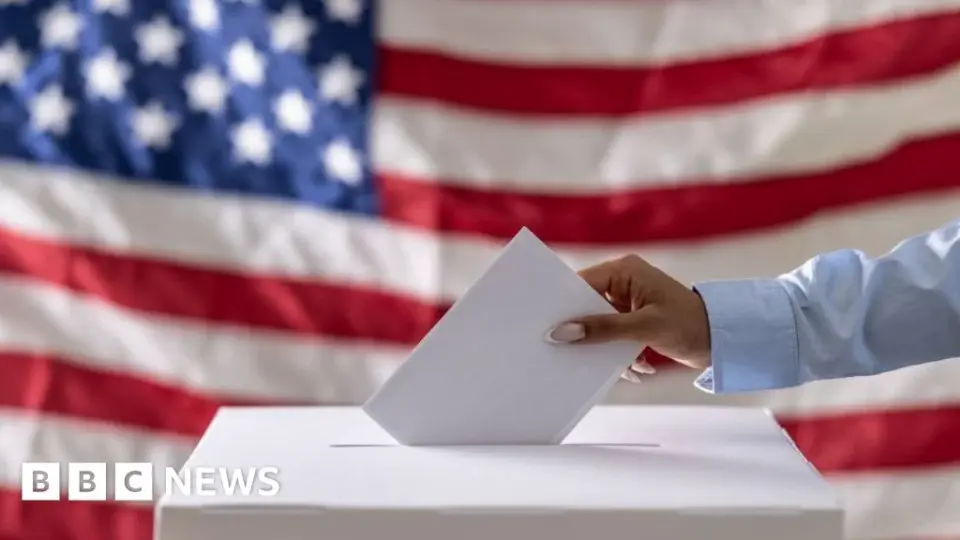
As the 2026 US midterm elections approach, polls indicate Democrats are favored to retake the House and potentially the Senate, driven by low presidential approval and economic concerns. However, analysts warn that recent polling errors, particularly regarding Republican turnout, introduce significant uncertainty into these projections.
Key points
- Democrats lead in over 218 House seats and are competitive in key Senate races, including Texas and South Carolina.
- Polling accuracy is questioned due to historical underestimation of Republican turnout in 2016, 2020, and 2024.
- Declining landline usage and lower participation among conservative voters complicate survey methodologies.
- Structural disadvantages for Democrats include redistricting changes and a polarized electorate with fewer swing voters.
- Republicans hold a financial advantage, spending hundreds of millions on late-stage attack ads.
Background
Previous coverage noted that early voting surpassed 50 million, with Democrats leading national metrics by 8.4 points. Party officials expressed anxiety despite favorable polls, citing past disappointments and the need to translate voter anger into concrete legislative control. The 2022 midterms served as a recent precedent where Democrats avoided a wipeout despite low presidential approval, maintaining Senate control.
How outlets are covering it
BBC highlights the risk of polling errors due to uncontacted conservative voters and the structural disadvantages Democrats face, such as redistricting and polarization. NPR emphasizes that while national horse-race polls have been relatively accurate, state-level surveys suffer from a decline in local journalism and the presence of low-quality or fake polls. The Washington Post notes that while Democrats appear poised for victory, recent history shows both parties have outperformed or underperformed expectations, suggesting the final outcome remains uncertain despite current leads.
Why it matters
The outcome determines whether the Democratic opposition can check the executive branch through oversight and legislation. A split in power could stall legislative progress but increase investigative scrutiny of the administration. The reliability of polling data affects how campaigns allocate resources and how the public perceives the electoral landscape.
What to watch
Election Day is on November 3, 2026. Analysts will monitor late-breaking shifts in undecided voters and turnout in swing states like Michigan, Texas, and South Carolina. Post-election analysis will focus on whether polling models accurately captured the electorate, particularly regarding Republican participation rates.
- Democrats have high hopes for midterms, but polls have let them down before BBC
- Can I trust the polls? And other questions from listeners about the 2026 midterms NPR
- Opinion | I oversaw polling for Biden and Harris. Here’s how I’m reading the midterm polls. MS NOW
- What if the polls are wrong about a Democratic Senate? Mapping 4 scenarios. The Washington Post
- Are Trump Voters Refusing to Take Polls? And Other Polling Risks. The New York Times
Want the full story? Read the original reporting
Read on BBC