
Democrats Pivot to 'TrumpCare' Strategy as New Leaders Seek Bipartisan Deals
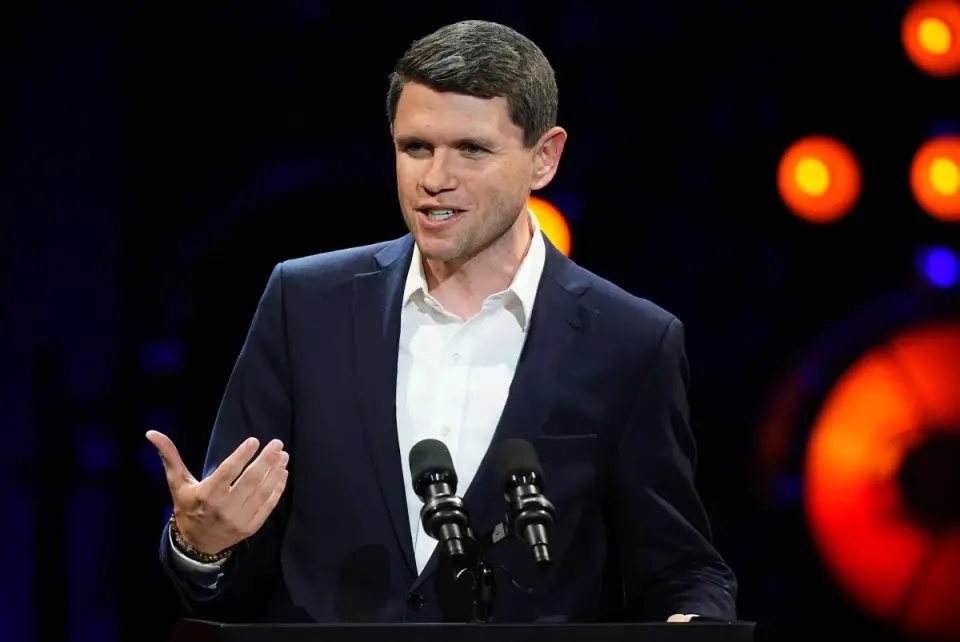
Following a decisive midterm victory, incoming Democratic leaders are proposing a new strategy to work with President Donald Trump, leveraging his desire for legacy and dealmaking to pass major legislation like universal healthcare. While some figures like Sen.-elect Abdul El-Sayed and James Talarico advocate for collaboration to deliver immediate results, others within the party urge caution, prioritizing oversight and independent legislative action over reliance on the president's signature. This approach reflects a tension between the desire for tangible policy wins and the risk of ceding power to an administration that has faced significant electoral backlash.
Key points
- Sen.-elect Abdul El-Sayed proposed a 'TrumpCare' plan, featuring a gold insurance card with Trump's name, to appeal to the president's vanity and secure universal healthcare.
- Sen.-elect James Talarico compared Trump to Lyndon B. Johnson, suggesting that cooperation could make his final two years the most productive in history, though he acknowledged some reforms may not pass until 2029.
- Trump expressed willingness to negotiate on healthcare and drug prices but also threatened vetoes, while naming Stephen Miller as chief of staff, a move criticized by Democrats as foreclosing cooperation.
- A Reuters/Ipsos poll indicates nearly 75% of Americans want Democratic leaders to work with the president, while an AP Voter Poll shows 60% support a larger federal role in healthcare.
- Critics within the Democratic party, including Gov.-elect Rob Sand and Sen. Chris Van Hollen, argue that the party should not base its decisions on Trump's potential actions and should focus on oversight and passing bills regardless of presidential approval.
Background
This strategy emerges after Democrats won a majority in Congress in the 2026 midterms, a victory attributed largely to voter backlash against Trump’s policies rather than a mandate for specific Democratic platforms. The party is now navigating the challenge of delivering on affordability promises while managing a president who has questioned the election results and appointed hardline allies. Previous attempts at bipartisanship, such as Trump’s deals with Chuck Schumer and Nancy Pelosi, serve as a historical reference point for current negotiations.
How outlets are covering it
AP News and USA Today highlight the strategic appeal to Trump’s ego, with El-Sayed and Talarico framing cooperation as a path to legacy. Fox News emphasizes the internal Democratic debate, noting that some leaders, like Iowa Gov.-elect Rob Sand, argue against prioritizing investigations over results, while strategists warn that the election was a rebuke of Trump, not a validation of Democratic policies. Politico focuses on El-Sayed’s direct willingness to meet with Trump, despite his critical remarks, underscoring the pragmatic shift in tone. The sources agree that Trump’s willingness to cooperate is uncertain, with his appointment of Stephen Miller and threats of vetoes creating significant hurdles for bipartisan efforts.
Why it matters
The success of this strategy could determine whether Democrats can pass major legislation, such as universal healthcare, before Trump’s term ends. If cooperation fails, the party may face a two-year period of gridlock, potentially affecting public trust and future electoral prospects. The outcome also sets a precedent for how future administrations might engage with a divided Congress, influencing the balance of power between the executive and legislative branches.
What to watch
Democrats will likely continue to test the waters for bipartisan deals, particularly on healthcare and drug prices, while monitoring Trump’s response to the appointment of Stephen Miller. The party may also face internal pressure to balance cooperation with oversight, as some members argue that investigations into the administration are necessary to hold the executive branch accountable. The next few months will reveal whether Trump is willing to engage in substantive negotiations or if the relationship remains adversarial.
- 'TrumpCare' and commemorative plaques — how Democrats are pitching dealmaking with the president AP News
- 'Slapping Trump's name on it.' Democrats pitch Trump on working together USA Today
- The mistake newly-elected Dems admit they can't afford to make with Trump after sweeping 2026 wins Fox News
- El-Sayed says he is ‘happy’ to work with Trump on Medicare for all, other priorities Politico
- ‘Donald, This Is On The Table’: Abdul El-Sayed Hits Trump Right In His Weak Spot HuffPost
Want the full story? Read the original reporting
Read on AP News