
Democrats seize Congress in historic blue wave, triggering GOP crisis and scrutiny of Musk
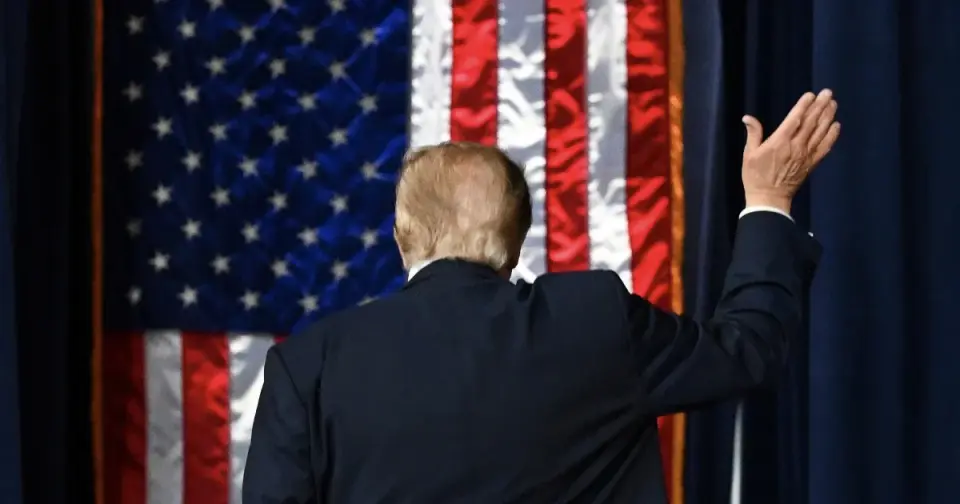
Democrats won control of both the House and Senate in the 2026 midterms, a historic shift driven by voter frustration over affordability and the Iran war. President Trump’s campaign strategy, which ignored economic concerns, backfired, while Elon Musk faces new scrutiny from incoming Democratic leaders in Texas. Trump is reportedly considering replacing Defense Secretary Pete Hegseth.
Key points
- Democrats achieved a historic victory, taking control of both the House and Senate, a shift not seen since 1974.
- Voter dissatisfaction with rising costs and the Iran war drove the 'blue wave,' despite Trump’s 'pretend I'm on the ballot' campaign message.
- Elon Musk faces potential investigations from incoming Texas Attorney General Nathan Johnson and other Democratic officials.
- Trump is reportedly considering replacing Defense Secretary Pete Hegseth, though he denied plans to do so.
- House Speaker Mike Johnson announced he will not remain as Republican leader in the new Congress.
Background
Prior to the 2026 midterms, polls showed growing voter concern over the economy, shifting away from immigration. The 2026 election marked a significant shift in power, with Democrats flipping seats in traditionally Republican states like Texas and South Carolina. This follows a period of intense political polarization and debates over AI data centers and government corruption.
How outlets are covering it
NBC News emphasizes the Republican Party's internal missteps, such as endorsing losing candidates and ignoring economic concerns, as key factors in their loss. MS NOW, through John Kasich, frames the defeat as a 'devastating blow' but an opportunity for Republicans to rebuild around fiscal responsibility and collaborate with Democrats on issues like healthcare and immigration. Both outlets agree that affordability was the central issue for voters, but they differ on the path forward: NBC focuses on Democratic policy goals like Medicare for All, while Kasich advocates for bipartisan cooperation and a balanced budget amendment.
Why it matters
The Democratic victory in 2026 marks a significant shift in US politics, with implications for policy, oversight, and the balance of power. The loss of control of Congress by Republicans could lead to increased investigations and challenges to Trump's agenda, while the focus on affordability and economic issues will shape future policy debates. The scrutiny of Elon Musk and potential changes in the Defense Department highlight the broader impact of the election on key political and economic figures.
What to watch
Democrats will focus on implementing policies to address affordability, such as Medicare for All and reversing cuts to healthcare. Republicans may attempt to rebuild their party around fiscal responsibility and collaborate with Democrats on issues like immigration and healthcare. Trump may face increased scrutiny and potential investigations from the new Democratic majority, while the future of Pete Hegseth as Defense Secretary remains uncertain.
- How Trump lost control of Congress and Musk’s Texas businesses brace for blue wave: Morning Rundown NBC News
- Republicans call for Trump to change course after midterm drubbing Yahoo
- Analysis | The depth and breadth of Republican losses are staggering The Washington Post
- Democratic wave sweeps aside Trump-backed effort to redraw US House districts Reuters
- Opinion | Republicans lost big. Now they have a once-in-a-lifetime opportunity. MS NOW
Want the full story? Read the original reporting
Read on NBC News