
Democrats Signal Shift Toward Expanded Medicare as Storms Disrupt Holiday Travel
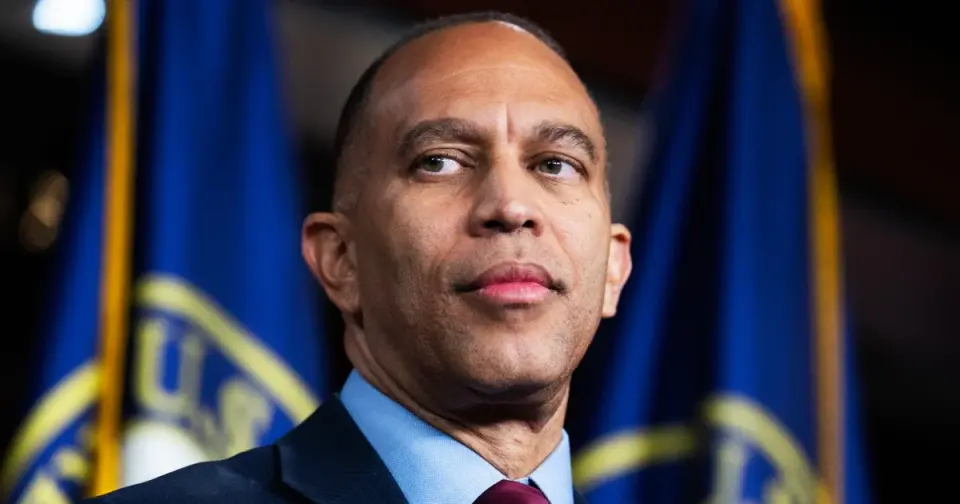
House Speaker-designate Hakeem Jeffries has endorsed a significant expansion of Medicare, including lower eligibility ages and universal coverage for children, signaling a potential compromise between progressive and centrist Democrats. Meanwhile, severe storms have left nearly 700,000 people without power and forced the postponement of the Macy’s Thanksgiving Parade to Saturday.
Key points
- Hakeem Jeffries supports lowering Medicare eligibility age and adding dental, vision, and hearing benefits, a move praised by Bernie Sanders but criticized by some progressives as insufficient.
- Sen.-elect Abdul El-Sayed is open to a compromise that preserves private insurance, comparing the model to public education, though he maintains support for full Medicare for All.
- Severe weather systems have left nearly 700,000 customers without electricity, with Pennsylvania, New Jersey, and Maryland among the hardest-hit states.
- The Macy’s Thanksgiving Day Parade was postponed to Saturday due to high winds, causing logistical challenges for performers, including a Texas marching band that raised $350,000 to remain in New York.
- Luka Dončić is averaging a league-high 36.6 points per game for the Los Angeles Lakers, helping the team become a contender in the Western Conference.
Background
The healthcare debate follows a midterm election victory for Democrats, who now control both chambers of Congress. Previous attempts at universal coverage faced significant internal party divisions, particularly regarding the elimination of private insurance. The current shift toward 'Medicare for More' reflects a strategic move to bridge the gap between progressive demands for single-payer systems and centrist preferences for maintaining private options. This debate occurs against the backdrop of rising healthcare costs and expired subsidies that left millions without coverage.
How outlets are covering it
NBC News emphasizes the emerging truce between Democratic factions, highlighting Jeffries’ endorsement as a pivotal moment. The Intercept frames the compromise as a 'half-measure' that fails to address the root causes of healthcare inequity, noting that 94% of registered Democrats support full Medicare for All. Politico focuses on the political maneuvering, particularly El-Sayed’s efforts to engage President Trump, while Axios provides a balanced analysis of the pros and cons, noting the $47 trillion projected cost and the challenges of transitioning from the current system.
Why it matters
The outcome of this debate could reshape the U.S. healthcare system, potentially affecting millions of Americans’ access to coverage. The compromise could ease divisions within the Democratic Party ahead of the 2028 presidential election, but it may also face resistance from both progressives and the White House. Additionally, the severe weather events highlight the vulnerability of infrastructure and the economic impact of natural disasters on holiday travel and commerce.
What to watch
El-Sayed is expected to meet with President Trump to discuss healthcare policy, though the outcome remains uncertain. Democrats are likely to push for votes on Medicare for All in the new Congress, despite the filibuster and potential veto. Power restoration efforts are ongoing, with crews working to restore service to the nearly 700,000 affected customers. The rescheduled Macy’s Parade is set to take place on Saturday, with performers and organizers scrambling to adjust their plans.
- Democrats hint at healthcare middle ground and storms leave thousands without power: Morning Rundown NBC News
- The pros and cons of Medicare for All Axios
- Hakeem Jeffries Can Live With “Medicare for More” The Intercept
- Begun, the Medicare for All war has Politico
- Democrats Are Already Watering Down Their Medicare for All Plans WSJ
Want the full story? Read the original reporting
Read on NBC News