
Democrats Split Over 2028 Strategy: 'Nice' Politics vs. Aggressive Fighting
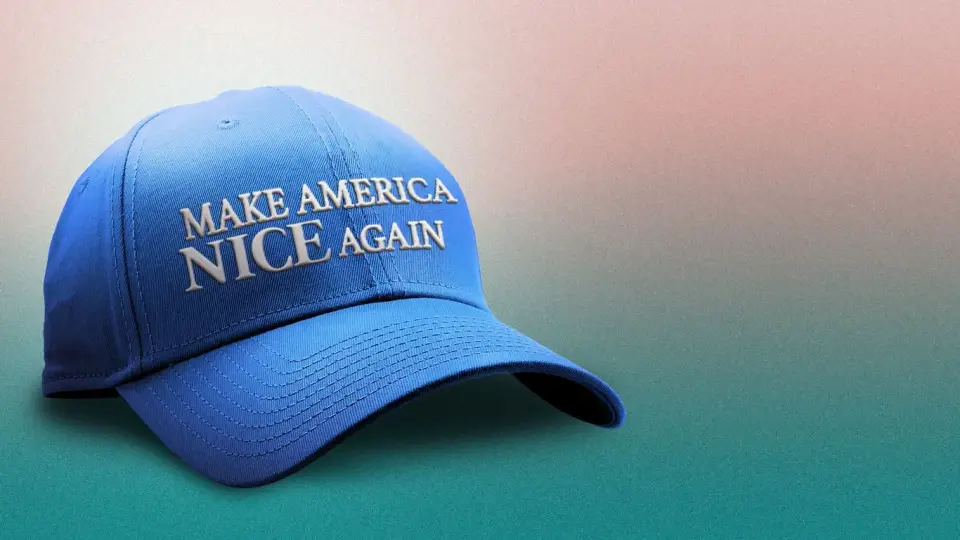
Following a historic midterm victory, the Democratic Party is divided on its approach for the 2028 presidential race. Some leaders advocate for a 'nice' and unifying style to counter Trump-era aggression, while others argue for a combative, 'fighter' approach. Analysts note that while the party won on economic dissatisfaction, it must still address deep-seated cultural and trade issues to secure working-class support.
Key points
- The 2026 midterm results have sparked a debate within the Democratic Party regarding the optimal strategy for 2028: whether to emphasize decency and unity or to adopt a more aggressive, combative stance against Republicans.
- Proponents of the 'uniter' approach, including former Transportation Secretary Pete Buttigieg and Pennsylvania Gov. Josh Shapiro, argue that voters are exhausted by political warfare and desire a calmer, more optimistic brand of politics.
- Conversely, California Gov. Gavin Newsom and Michigan Sen.-elect Abdul El-Sayed advocate for a 'fighter' strategy, arguing that Democrats must match Republican aggression rather than unilaterally disarm, with Newsom boasting that California 'fought fire with fire.'
- Nate Silver’s analysis categorizes 27 key Democrats into 'fighters,' 'uniters,' and 'hybrids,' noting that while some candidates like Adam Hamilton ran on themes of decency, they still utilized significant negative advertising budgets.
- The Guardian’s analysis highlights that despite midterm wins, Democrats struggled with working-class voters, particularly on cultural issues and trade, suggesting that 'affordability' messaging alone is insufficient without a robust economic program and a post-globalism trade agenda.
- Historical context suggests that the incumbent party often loses in open-seat elections, but Republicans could buck this trend if President Trump’s approval ratings and economic conditions improve significantly before 2028.
Background
This debate follows the 2026 midterm elections, where Democrats achieved a 'blowout' victory, regaining control of Congress and winning key governorships in red states like Ohio and Texas. This success has prompted internal discussions about the party's future direction, building on earlier tensions regarding how to handle the 'Make America Healthy Again' movement and the impeachment of Health Secretary Robert F. Kennedy Jr. The current strategic split mirrors historical patterns where parties must decide whether to pivot toward unity or maintain aggressive opposition after a major electoral shift.
How outlets are covering it
Axios emphasizes the ideological split between 'nice' politics and aggressive fighting, citing specific quotes from Buttigieg, Shapiro, and Newsom. The New York Times, through Nate Silver, provides a quantitative and subjective framework, categorizing candidates on a 'fighter' to 'uniter' spectrum, noting that many 'uniters' still ran negative ads. The Hill focuses on historical trends, arguing that the 'open seat phenomenon' favors Democrats unless Trump’s approval and the economy improve. The Guardian offers a critical perspective, arguing that Democrats’ midterm win was driven by economic dissatisfaction but that the party remains weak on cultural and trade issues, warning that 'affordability' is not a complete economic program. While Axios and The New York Times focus on rhetorical style, The Guardian and The Hill focus on structural and historical factors, respectively.
Why it matters
The outcome of this internal debate will shape the Democratic Party’s platform and candidate selection for the 2028 presidential election. If the party fails to address the cultural and economic concerns of working-class voters, it risks losing the coalition that delivered the 2026 midterm victory. Additionally, the choice between a 'uniter' and 'fighter' strategy will determine how effectively Democrats can counter the Republican narrative and maintain their momentum in a polarized political environment.
What to watch
The Democratic Party will likely continue to debate its strategic direction in the coming months, with key figures like Gavin Newsom, Pete Buttigieg, and Kamala Harris potentially emerging as frontrunners. The party will need to develop a cohesive economic and cultural platform that addresses the concerns of working-class voters while maintaining its progressive base. The 2028 primary will serve as a test of which strategy resonates most with voters, potentially determining the party’s chances of winning the White House.
- Some Dems' 2028 strategy: Make America Nice Again Axios
- Opinion | Nate Silver’s Unscientific, Totally Subjective Breakdown of the Democrats’ Future Stars The New York Times
- Fighters vs. uniters and the big blue future Silver Bulletin
- A seven-decade presidential election trend predicts Democrats will win in 2028 The Hill
- Democrats need to fix these three weaknesses before 2028 | Dustin Guastella The Guardian
Want the full story? Read the original reporting
Read on Axios