
Forest Service releases 1940s-2000s Bigfoot files, sparking debate over evidence
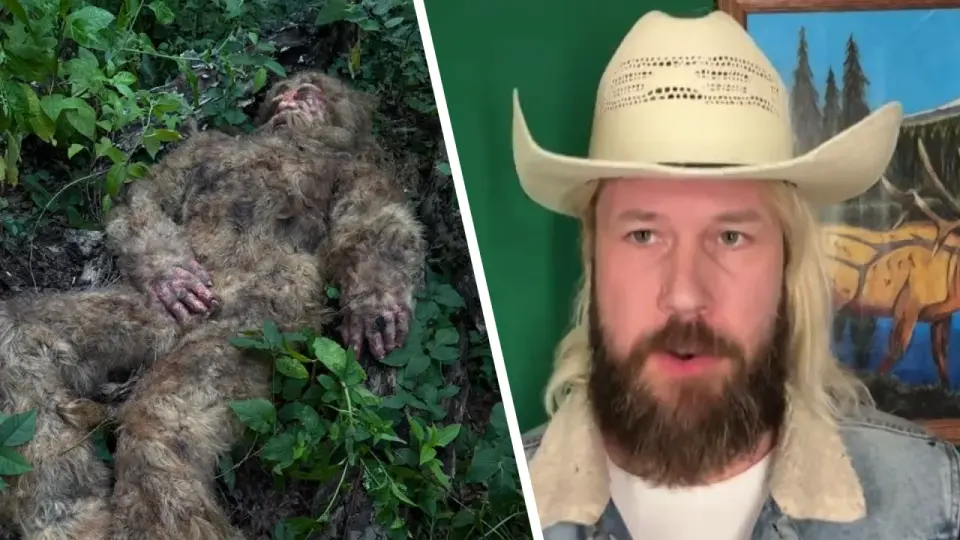
The U.S. Forest Service released three historical documents detailing alleged Bigfoot encounters in Montana and Oregon, ranging from a 1941 account to a 2003 newspaper report. While one wildlife biologist concluded the tracks were a hoax, other accounts describe disturbing bipedal tracks and strong odors. Researchers and enthusiasts argue the release validates long-standing claims, though scientific consensus remains that the creature’s existence is unproven.
Key points
- The U.S. Forest Service released three files on October 15, 2026, covering alleged Bigfoot encounters in Montana and Oregon.
- One file details a 1941 account by Leo Kinney, who described finding large bipedal tracks and a strong odor while hunting in Montana.
- A 2003 newspaper article reported hundreds of large footprints near a sawmill in Plains, Montana, measured at 16.5 inches long.
- A 1982 report by wildlife biologist Rodney Johnson investigated tracks in Oregon’s Umatilla National Forest but concluded they were likely a hoax.
- Bigfoot researcher Charles Stuart claims the release makes the creature’s existence 'undeniable,' comparing the skepticism to that once faced by UFOs.
Background
Bigfoot, or Sasquatch, has been a subject of folklore and cryptid research since the 1950s, with indigenous legends predating modern sightings. The Bigfoot Mapping Project has cataloged over 16,000 reports, though scientific validation remains absent. Recent releases by the Forest Service follow a pattern of delayed public disclosure, which some believers interpret as evidence of a cover-up.
How outlets are covering it
NewsNation highlights the views of Charles Stuart, a self-proclaimed Bigfoot hunter, who argues the released files make the creature’s existence 'undeniable' and suggests the government is withholding more sensitive reports. Outside Magazine provides a detailed breakdown of the three files, emphasizing the specific measurements and accounts, while noting the biologist’s conclusion that the Oregon tracks were a hoax. The Guardian frames the release as part of a broader pattern of unverified sightings, citing a philosophy professor who notes the human fascination with the unproven, and mentions recent reports from rural Ontario.
Why it matters
The release of official government files on Bigfoot adds a layer of institutional documentation to a long-standing cryptid debate. While the files do not prove the creature’s existence, they provide concrete historical records that fuel ongoing discussions about the boundaries of scientific evidence and public belief in unverified phenomena.
What to watch
Researchers and enthusiasts may continue to analyze the released files for further clues. The U.S. Forest Service may face pressure to release additional documents, particularly those linked to missing persons or tragedies, as suggested by some believers. Scientific communities will likely maintain their stance that the evidence remains insufficient to confirm Bigfoot’s existence.
- Bigfoot files: Creature’s existence is ‘becoming undeniable,’ researcher says NewsNation
- The Bigfoot Files Are Real. The Feds Just Released Decades of Research on Sasquatch. Outside Magazine
- US releases files on suspected Bigfoot sightings in Montana and Oregon The Guardian
- Bigfoot hunter on recent files: Becoming ‘undeniable’ the creature is real | Jesse Weber Live Yahoo
- Bigfoot believers get a boost from an unlikely ally: The U.S. Forest Service The Washington Post
Want the full story? Read the original reporting
Read on NewsNation