
Democrats Win Midterms by Reviving Sanders' Economic Populism
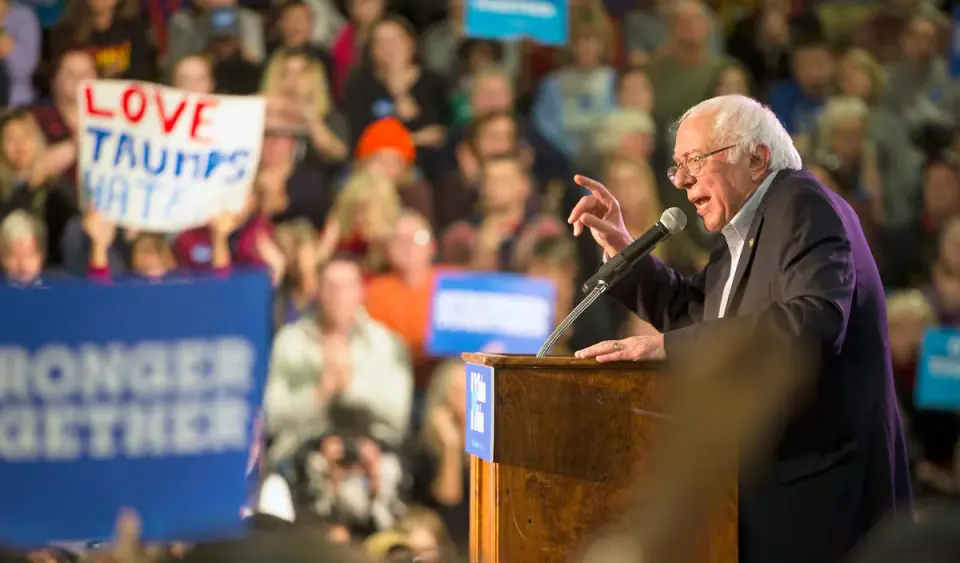
US Democrats secured a sweeping midterm victory on November 3, 2026, by adopting the 'kitchen table populism' long championed by Senator Bernie Sanders. Progressive candidates like Abdul El-Sayed and Randy Villegas won key seats by focusing on cost-of-living crises and wealth inequality, a strategy that had been marginalized within the party for a decade. Analysts attribute this shift to a rejection of previous 'woke' identity politics and a response to voter frustration over economic hardship, marking a significant realignment of the Democratic base toward working-class concerns.
Key points
- Progressive candidates won major offices, including Senate seats in Michigan and California, and New York's 7th District, using rhetoric focused on economic justice.
- Bernie Sanders, now 85, celebrated the results as a validation of his decades-long advocacy for the working class, despite never winning the presidency.
- Political strategist Morris Katz, who managed Zohran Mamdani's mayoral campaign, helped recruit candidates like El-Sayed and Villegas, emphasizing authenticity and economic focus.
- Research indicates over 70% of Democratic candidates in 2026 used populist rhetoric, with 60% attacking economic elites.
- The shift away from 'woke' identity politics is credited with making the party more appealing to working-class voters who previously felt alienated by the establishment.
Background
This development follows recent internal Democratic tensions, where Sanders and other progressives challenged Chuck Schumer's leadership, demanding a focus on affordability over political investigations. The current victory reinforces the argument that economic relief, rather than partisan retribution, is the primary mandate for the incoming majority.
Why it matters
The success of economic populism signals a fundamental shift in US political strategy, moving away from identity-based politics toward material concerns. This could reshape the Democratic platform for the 2028 cycle and influence how the party engages with the working class, potentially altering the national debate on wealth inequality and corporate influence.
What to watch
The incoming Democratic majority must now translate this electoral mandate into policy. Sanders has urged the new leadership to prioritize affordability and bold policy changes over investigating the Trump administration. The party faces the challenge of maintaining this populist momentum while navigating internal divisions over leadership and legislative priorities.
Want the full story? Read the original reporting
Read on EL PAÍS English