
Dhillon Resigns as DOJ Civil Rights Chief After Midterm Defeat and Internal Clashes
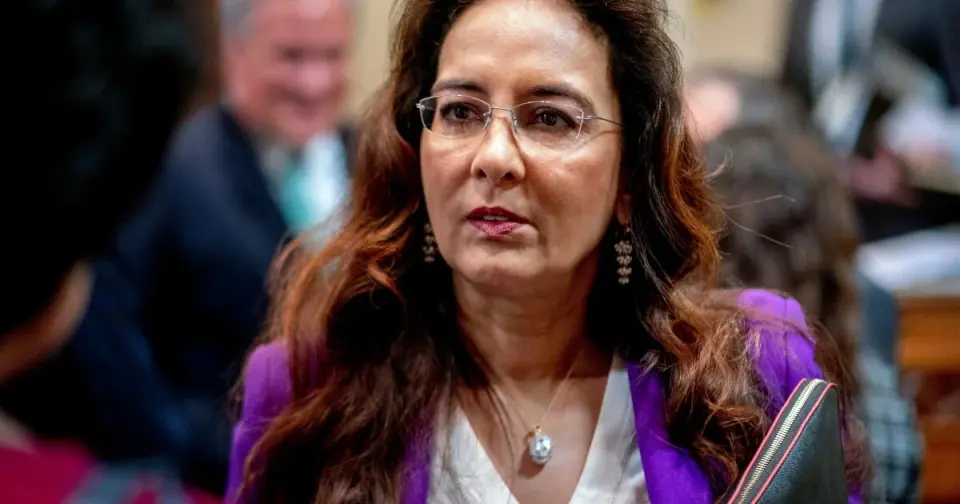
Harmeet Dhillon, the assistant attorney general for civil rights, resigned on November 5, 2026, two days after Republicans lost control of both House chambers in the midterm elections. Dhillon, who served for 18 months, stated she had decided to leave weeks earlier to return to private practice but was asked by White House Chief of Staff Susie Wiles to stay until after the election. Her tenure involved a radical shift in the division’s mission, focusing on anti-DEI litigation, voter roll lawsuits, and university investigations, which critics described as a destructive overhaul of the agency’s traditional role.
Key points
- Dhillon formally resigned on November 5, 2026, but had informed White House Chief of Staff Susie Wiles of her intent to leave three weeks prior, asking to delay the announcement until after the midterms.
- Attorney General Todd Blanche accepted the resignation, praising Dhillon for defending civil liberties, while Dhillon cited a return to her law firm, the Dhillon Law Group.
- Dhillon’s tenure saw the Civil Rights Division pivot away from traditional discrimination cases to focus on anti-DEI initiatives, transgender rights, and voter fraud allegations, resulting in the departure of over 75% of career attorneys.
- Critics, including former division heads and civil rights leaders, condemned her leadership as a 'catastrophe' that weaponized the division against marginalized communities, while supporters praised her efforts to dismantle liberal policies.
- Internal tensions with Attorney General Blanche and Associate Attorney General Stanley Woodward over legal strategy and promotion prospects reportedly contributed to her decision to leave.
Background
Dhillon was nominated by President Trump in December 2024 and confirmed by the Senate in April 2025. Her appointment drew fierce opposition from Democrats and civil rights groups, who feared a politicization of the division. Prior to her tenure, the Civil Rights Division was known for enforcing anti-discrimination laws and investigating police misconduct. Dhillon’s leadership marked a sharp ideological shift, aligning the division’s work with the administration’s conservative agenda, including challenges to university admissions and voting rights. Her departure follows a period of significant staff turnover and intense scrutiny from a newly Democratic Congress.
How outlets are covering it
The Los Angeles Times and The New York Times emphasize the internal conflicts and strategic disagreements that led to Dhillon’s resignation, noting tensions with DOJ leadership over election-related cases. Fox News highlights Dhillon’s voluntary decision to return to private practice and her defense of the administration’s voter roll initiatives, while MS NOW focuses on her frustration over blocked promotions and clashes with Blanche and Woodward. All sources agree on the radical shift in the division’s mission, but differ in tone: conservative outlets frame her work as a success in protecting civil liberties, while liberal and civil rights groups describe it as a destructive and lawless overhaul that abandoned the division’s core purpose.
Why it matters
Dhillon’s resignation marks a significant shift in the DOJ’s approach to civil rights, signaling the end of a period of aggressive conservative litigation. Her departure, coupled with the Democratic gains in the midterms, suggests increased scrutiny from Congress and potential changes in the division’s leadership and priorities. The controversy over her tenure highlights the ongoing debate over the role of the DOJ in enforcing civil rights and the impact of political appointments on federal agencies.
What to watch
The next Senate, which will have a Democratic majority, is expected to exercise its confirmation powers to ensure the next head of the Civil Rights Division fulfills its congressional mandate. There is speculation about whether Dhillon or other administration officials will face congressional inquiries or legal challenges. The DOJ may also see further resignations or changes in leadership as the new Congress takes shape.
- Harmeet Dhillon, California attorney who radically reshaped DOJ civil rights unit, resigns Los Angeles Times
- Harmeet Dhillon, Leader of Justice Department’s Civil Rights Unit, Resigns The New York Times
- DOJ civil rights chief Harmeet Dhillon resigns, says White House asked her to wait until after midterms Fox News
- DOJ civil rights division chief Harmeet Dhillon expected to quit MS NOW
- The DOJ Official Who Spent 19 Months Terrorizing Colleges Is Resigning Mother Jones
Want the full story? Read the original reporting
Read on Los Angeles Times