
Iranian Envoy Accuses US of Weaponizing AI in Strikes, Demands Reparations at UN
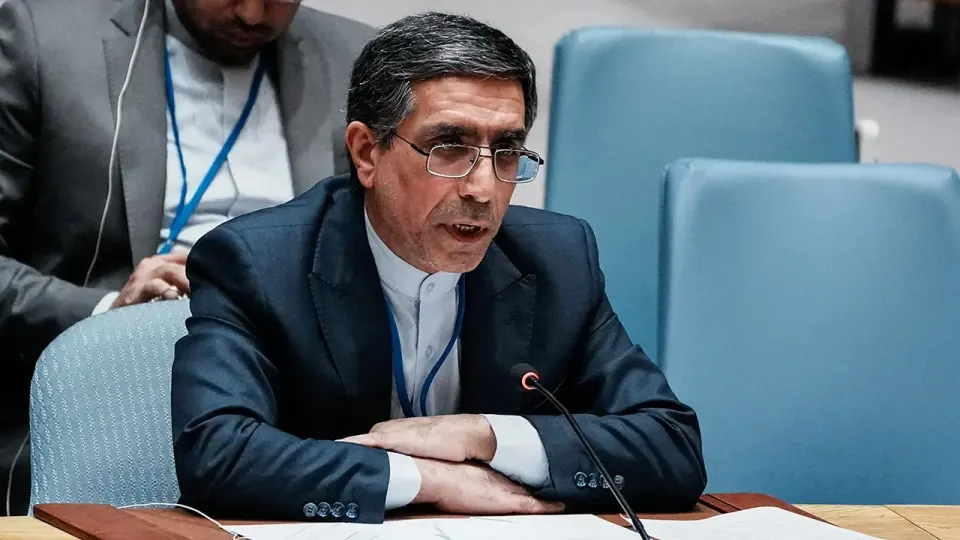
Iran’s UN representative Gholamhossein Darzi accused the United States and Israel of using artificial intelligence to plan and execute military strikes against Iran, alleging that these technologies violated international law. Speaking at a UN Security Council meeting on Nov. 24, Darzi claimed US forces used AI systems to analyze intelligence, prioritize targets, and provide strike coordinates during conflicts in June 2025 and Feb. 2026. He demanded individual criminal accountability for those responsible and full financial reparations from Washington, while urging the UN to establish inclusive governance for military AI to prevent escalation.
Key points
- Darzi alleged US forces used Palantir’s Maven and Anthropic’s Claude to analyze intelligence and provide strike coordinates during operations on Feb. 28, 2026, citing a March 2026 statement from US Central Command commander Adm. Brad Cooper confirming the use of advanced AI tools.
- The Iranian envoy claimed AI-enabled operations allowed the US to deploy more than 2,000 munitions to 2,000 distinct targets within 96 hours, referencing a June 2026 Pentagon court filing that allegedly confirmed the use of Grok via the Defense Department’s Maven Smart Systems.
- Darzi demanded individual criminal accountability for those responsible for attacks on civilians and full financial reparations from the US, including restitution and compensation for damages, while urging the UN Security Council to address the military dimensions of AI through an inclusive intergovernmental process.
- Iranian state media reported Darzi claimed US and Israeli operations killed more than 5,000 Iranians, including at least 254 children and 251 women, and injured 34,000 others, though these figures are unverified allegations.
- The address occurred amid ongoing tensions, with Iran claiming tightened control over the Strait of Hormuz and the US maintaining economic pressure through new sanctions targeting Iranian financial networks.
Background
The US and Iran have been in a state of conflict since February 2026, with both sides claiming victory in a stalemate. Iran has previously threatened to broaden its targets if the conflict resumes, including striking AI data centers and undersea internet cables. The US has developed new strike plans, potentially using massive ordance bombs to target Iranian energy infrastructure and nuclear sites. Diplomatic efforts to end the war remain stalled, with Iran insisting on seven conditions for negotiations, including lifting sanctions and ending the US naval blockade. The US military has also signaled readiness for renewed conflict, while Israeli officials have urged the US to consider renewed military action against Tehran.
How outlets are covering it
Fox News and CBS News both report Darzi’s allegations that the US used Palantir’s Maven and Anthropic’s Claude in strikes, with CBS adding context that US Central Command commander Adm. Brad Cooper confirmed the use of advanced AI tools in March 2026. WANA News Agency, an Iranian state-linked outlet, emphasizes Darzi’s demand for full reparations and individual criminal accountability, framing the AI use as a tool of aggression. ANI News highlights Darzi’s call for UN-led governance of military AI, while also noting US President Trump’s recent comments on funding the military campaign against Iran and his skepticism of Iranian negotiations. The sources differ in emphasis: Fox and CBS focus on the technical details of AI use, WANA stresses legal accountability, and ANI highlights the broader geopolitical context and Trump’s stance.
Why it matters
The allegations of AI weaponization in military strikes raise significant concerns about the future of warfare, the role of private tech companies in conflict, and the need for international governance of AI. If verified, the use of AI to prioritize targets and provide strike coordinates could lead to increased civilian casualties and escalation, challenging existing norms of international law. The demand for reparations and criminal accountability could strain US-Iran relations further and set a precedent for holding states accountable for AI-driven military actions. Additionally, the call for UN-led governance reflects growing global anxiety about the unchecked military use of AI, potentially influencing future international policy and arms control discussions.
What to watch
The UN Security Council is expected to address the security and military dimensions of AI through an inclusive intergovernmental process, as urged by Darzi. The US and Iran may continue to engage in diplomatic efforts, though negotiations remain stalled due to Iran’s seven conditions. The US is likely to maintain economic pressure on Iran through sanctions, while Iran may continue to assert control over the Strait of Hormuz and retaliate against US and Israeli actions. The broader conflict could escalate if the US pursues new strike plans or if Iran broadens its targets, including AI data centers and undersea cables. The outcome of these developments will depend on diplomatic efforts, military actions, and international responses to the use of AI in warfare.
- Iran claims US weaponized AI tech in strikes at UN briefing Fox News
- Iran War Updates: Tehran denounces U.S. for using AI in strikes it claims violate international law CBS News
- Iran’s UN Envoy Says US Used AI on 2,000 Targets in 96 Hours FourWeekMBA
- Iran Warns Over AI Warfare, Demands US Compensation for War Damages WANA News Agency
- Iran accuses US of using AI in deadly attacks; calls for UN governance ANI News
Want the full story? Read the original reporting
Read on Fox News