
Dhillon Resigns as DOJ Civil Rights Chief After Midterm Defeat
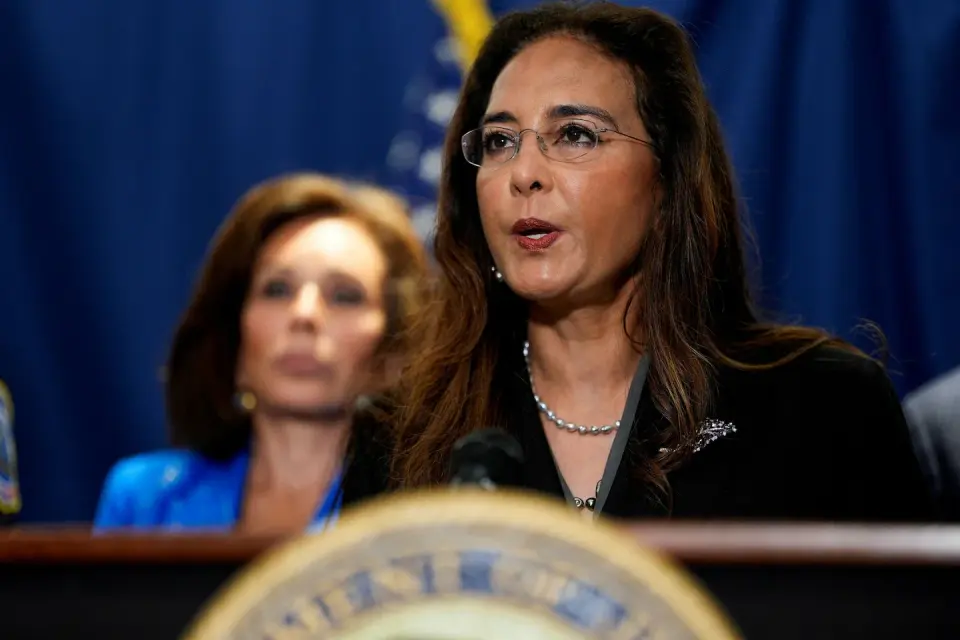
Harmeet Dhillon resigned as head of the Justice Department’s Civil Rights Division on November 5, 2026, following the Republican Party’s loss of control in both chambers of Congress. Attorney General Todd Blanche accepted her resignation, marking the first major departure from the administration since the midterm elections. Dhillon, who served for 18 months, stated she had planned to leave weeks prior to return to private practice. Her tenure was characterized by a significant shift in the division’s priorities, moving away from traditional civil rights enforcement toward issues such as gun rights, anti-DEI litigation, and voter roll access. The departure follows a period of high staff turnover and intense criticism from civil rights advocates.
Key points
- Harmeet Dhillon formally resigned on November 5, 2026, after serving as Assistant Attorney General for Civil Rights for 18 months.
- Attorney General Todd Blanche accepted the resignation, praising her service, while Dhillon stated she had decided to leave weeks earlier to return to her San Francisco law firm.
- The resignation occurred two days after Democrats won control of both the House and Senate in the midterm elections.
- Dhillon oversaw a major restructuring of the Civil Rights Division, including the departure of over 75% of its staff and a shift in focus to gun rights, anti-DEI policies, and transgender protections.
- Critics described her tenure as destructive to traditional civil rights enforcement, while supporters viewed it as a necessary correction of ideological bias.
Background
Dhillon was nominated by President Trump in December 2024 and confirmed by the Senate in April 2025. Her appointment drew significant opposition from Democrats and civil rights groups, who argued she would undermine the division’s historical role in protecting marginalized communities. Prior to her tenure, the Civil Rights Division was widely regarded as a cornerstone of federal civil rights enforcement. The archive indicates that her leadership involved controversial actions, such as pursuing indictments against political figures and bypassing standard prosecution channels, which drew scrutiny from legal experts and opponents.
How outlets are covering it
The Washington Post framed Dhillon’s resignation as a direct consequence of the Republican Party’s midterm defeat, emphasizing her role as a 'Trump loyalist' who dismantled the division’s traditional mission. CBS News highlighted the controversy surrounding her tenure, noting that she oversaw a mass exodus of staff and shifted the division’s focus to protecting gun owners and opposing DEI policies. The outlet also detailed specific actions, such as closing discrimination cases against Black Americans and dismissing consent decrees with public schools. The Sacramento Bee focused on her background as a California lawyer and her transformation of the division into a tool for 'culture wars' litigation, including lawsuits against the University of California and efforts to access voter rolls. Fox News presented Dhillon’s perspective, emphasizing that she resigned voluntarily to return to private practice and had not been asked to leave. The outlet also noted her defense of the administration’s voter roll initiatives and her statement that she had 'accomplished everything' she came to do. The sources diverge significantly in their characterization of her tenure, with CBS and the Sacramento Bee focusing on the negative impacts of her policies, while Fox News emphasized her personal decision to leave and her achievements from a conservative perspective. The Washington Post provided a neutral overview of the resignation’s timing and its significance as the first major departure post-midterms.
Why it matters
Dhillon’s resignation signals a potential shift in the Justice Department’s priorities following the Democratic gains in Congress. Her tenure marked a significant departure from the Civil Rights Division’s historical role, raising questions about the future of federal civil rights enforcement under a new congressional majority. The high staff turnover and policy changes during her leadership may have long-term implications for the division’s effectiveness and public trust. Additionally, her departure could lead to increased scrutiny of her actions, particularly regarding the handling of civil rights cases and the use of federal resources for political purposes.
What to watch
The White House has not yet announced a successor for Dhillon. The new Democratic-controlled Congress may investigate her tenure and the actions taken by the Civil Rights Division under her leadership. Dhillon has indicated she will return to her San Francisco law firm, but she has also stated she would seek legal advice if subpoenaed to testify before Congress. The Justice Department may face increased pressure to restore the Civil Rights Division’s traditional priorities and address the concerns raised by civil rights advocates during her tenure.
- Harmeet Dhillon resigns as head of Justice Dept.’s civil rights division The Washington Post
- Harmeet Dhillon, controversial head of Justice Department's Civil Rights Division, resigns CBS News
- Harmeet Dhillon, California lawyer who transformed Trump’s DOJ, resigns from role Sacramento Bee
- DOJ civil rights chief Harmeet Dhillon resigns, says White House asked her to wait until after midterms Fox News
- Head of DOJ Civil Rights Division resigns after GOP midterms loss NBC News
Want the full story? Read the original reporting
Read on The Washington Post