
DHS Allocates $20M for ICE Electric Shock Gloves Amid Civil Rights Concerns
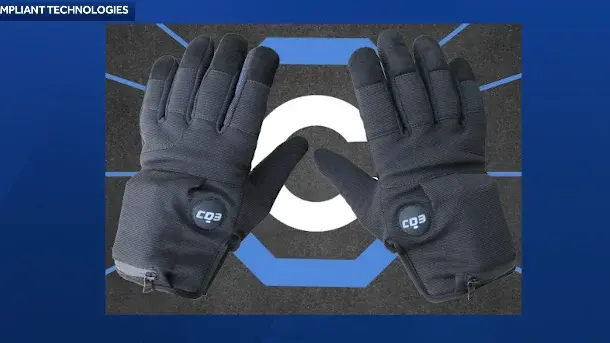
The Department of Homeland Security is procuring up to $20 million worth of electric shock gloves for ICE agents, a move intended to aid de-escalation but criticized by rights groups and state officials as a potential tool for excessive force.
Key points
- DHS plans to spend up to $20 million on devices known as G.L.O.V.E. (Generated Low Output Voltage Emitter) for ICE agents.
- The gloves, manufactured by Compliant Technologies, function as standard patrol gloves until activated to deliver a painful voltage directly to skin.
- Critics, including New York Governor Kathy Hochul and Attorney General Letitia James, warn the devices could be misused as punishment and violate civil rights.
- The manufacturer states the gloves are nonlethal and should not be used against the elderly, children, pregnant women, or those with severe disabilities.
- DHS is simultaneously rolling out body cameras to all ICE field offices, a move prompted by scrutiny after two deaths involving agents without cameras.
Background
This procurement follows earlier reports from August 2026 indicating that DHS was weighing the acquisition of these gloves for its criminal investigations and enforcement removal operations. Previous coverage noted that the devices require biennial certification and that the procurement may have been a no-bid contract. The broader context includes ongoing debates over ICE reform and the expansion of body camera usage, which was authorized by Congress earlier in the year as a rare area of bipartisan agreement.
Why it matters
The introduction of electric shock gloves into ICE operations raises significant questions about the balance between officer safety and detainee rights. While framed as a de-escalation tool, the potential for misuse as a punitive measure has drawn sharp criticism from state officials and civil liberties advocates, highlighting tensions in the current mass deportation campaign.
What to watch
DHS has not specified a timeline for deployment or the extent of the rollout, though the size of the purchase suggests a large portion of agents may be equipped. State officials in New York have indicated they may pursue legal action if the devices are misused. The full rollout of body cameras is expected to be completed within 60 days of the initial distribution to half of the field offices.
Want the full story? Read the original reporting
Read on WYFF