
Huawei Convicted on 10 of 12 US Counts in Landmark Trade Secret and Sanctions Trial
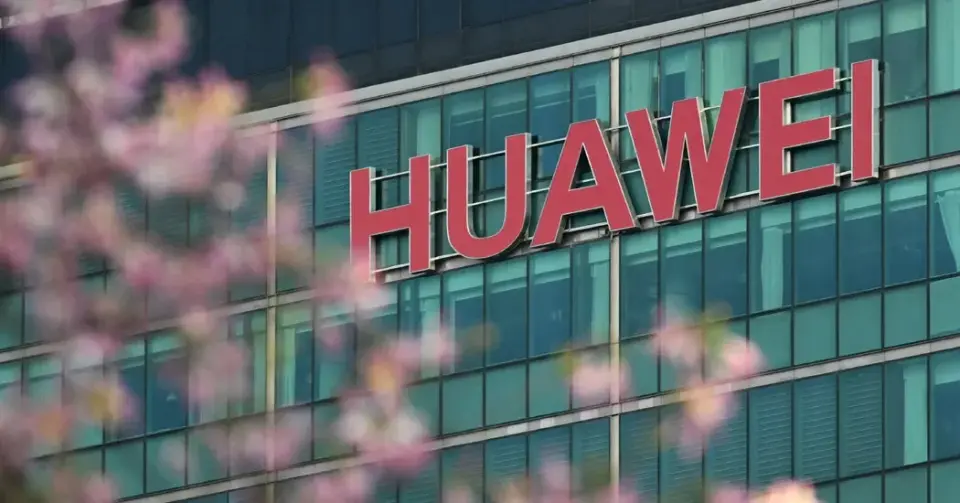
A federal jury in Brooklyn found Huawei guilty of 10 out of 12 criminal counts, including conspiracy to steal trade secrets and bank fraud, but acquitted it of racketeering. The verdict concludes an 11-week trial where prosecutors alleged the company systematically stole technology from US firms and evaded sanctions on Iran. Huawei plans to appeal, arguing the convictions lack factual merit, while sentencing is scheduled for September 14, 2027.
Key points
- Jury found Huawei guilty of 10 counts, including trade secret theft, bank fraud, and wire fraud, but acquitted it of racketeering and obstruction of justice.
- Prosecutors alleged Huawei stole technology from Cisco, Motorola, T-Mobile, and others, and misled banks about its business in Iran to evade US sanctions.
- The trial lasted 11 weeks, with prosecutors calling over 60 witnesses and the defense calling 15, concluding after nearly a week of deliberations.
- Huawei stated it will appeal, calling the trade secret charges 'without legal or factual merit' and emphasizing the racketeering acquittal as a vindication of its compliance culture.
- Sentencing is scheduled for September 14, 2027, where Huawei could face significant fines and penalties, though the exact amount remains unclear.
Background
The case originated in 2018 when Huawei executive Meng Wanzhou was detained in Canada at the US government's request, leading to a deferred prosecution agreement. In 2019, the US placed Huawei on a trade blacklist, and in 2020, prosecutors added trade secret theft charges. The trial followed years of diplomatic tensions and sanctions against Huawei, which was previously banned from selling equipment to US carriers over security concerns.
How outlets are covering it
The New York Times framed the verdict as a victory for the Justice Department, emphasizing the 'systematic and brazen' nature of the alleged trade theft. NBC News highlighted the breadth of the charges, including bank fraud and money laundering, and noted the acquittal on racketeering as a partial win for Huawei. Yahoo focused on the Iran-related sanctions violations and the role of media exposure in prompting bank scrutiny. BBC emphasized the defense's argument that Huawei's growth was driven by innovation, not criminal conduct, and noted the company's claim that trade secret issues were civil matters resolved over time. All sources agreed on the 10-2 count split but differed in emphasis: prosecutors stressed a 20-year conspiracy, while defense attorneys argued the incidents were isolated and the racketeering acquittal disproved the narrative of a criminal enterprise.
Why it matters
The verdict marks a significant legal milestone in US-China tech tensions, potentially influencing future sanctions and trade policies. While the racketeering acquittal limits immediate penalties, the trade secret and fraud convictions could lead to substantial fines and further restrictions on Huawei's global operations. The case also underscores the ongoing scrutiny of Chinese tech firms in Western markets and the complexities of enforcing international sanctions.
What to watch
Huawei plans to appeal the convictions, and sentencing is scheduled for September 14, 2027. The outcome of the appeal and the severity of penalties will determine the long-term impact on Huawei's business and US-China relations. Experts suggest the case may not undermine Huawei's global presence, as the company has diversified into AI and other sectors, but the legal precedents could affect future enforcement actions against foreign tech firms.
- Huawei Found Guilty of Stealing Trade Secrets in U.S. Trial The New York Times
- Chinese tech company Huawei convicted on federal charges NBC News
- China's Huawei convicted in sprawling US criminal trial over Iran business Yahoo
- Huawei found guilty of stealing trade secrets but acquitted of racketeering BBC
- Huawei Found Guilty of US Criminal Charges in Landmark Case Bloomberg.com
Want the full story? Read the original reporting
Read on The New York Times