
DOJ Abandons Enforcement of 1934 Gun Law After Court Ruling
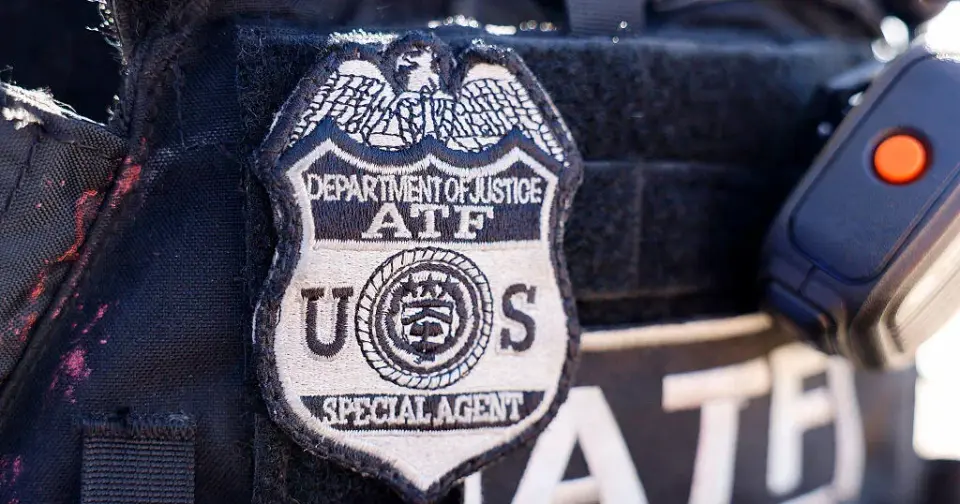
The U.S. Justice Department has officially ceased enforcing key provisions of the 1934 National Firearms Act, following a federal court ruling that declared the law unconstitutional. The Bureau of Alcohol, Tobacco, Firearms and Explosives (ATF) will no longer require federal approval for the manufacture or transfer of short-barreled rifles, shotguns, and suppressors. This decision follows a directive from President Trump not to appeal the ruling, despite internal legal advice suggesting the move would harm ongoing criminal cases.
Key points
- The DOJ released new guidelines stating it will not enforce the National Firearms Act (NFA) regarding the domestic manufacturing, possession, and transfer of short-barreled rifles, short-barreled shotguns, silencers, and other concealable firearms.
- U.S. District Judge James Wesley Hendrix, a Trump appointee in Texas, ruled in August that most NFA restrictions were unconstitutional because Congress had previously eliminated a $200 tax on these items, removing the legal basis for the regulations under the taxing power.
- The ruling was based on consolidated cases brought by 15 red states and gun rights groups, including the Gun Owners of America and the Gun Owners Foundation.
- The DOJ decided not to appeal the ruling last month, a move CBS News reported was ordered by President Trump.
- The new federal guidance explicitly does not supersede state and local laws; the ATF will continue to process voluntary applications for firearms that remain regulated under state laws.
- Many DOJ lawyers recommended appealing the decision, arguing it adversely impacted ongoing criminal cases and violated the government's duty to defend congressional statutes.
Background
This development follows a broader trend of federal courts striking down or limiting DOJ enforcement actions in various domains, including voter data and mail-ballot rules, as seen in recent archive coverage. The NFA, enacted during the Prohibition era, was originally designed to regulate weapons associated with organized crime. The current legal challenge hinges on the removal of the tax provision, which the court deemed essential to the law's validity. The decision creates a significant shift in federal firearms regulation, potentially impacting how prosecutors handle cases involving these specific weapons, although state-level restrictions remain in effect.
Why it matters
The decision fundamentally alters the federal regulatory landscape for certain firearms, removing a major barrier to their manufacture and transfer. It highlights the tension between executive branch directives and judicial rulings, as well as the internal conflict within the DOJ regarding the enforcement of existing laws. The move may embolden further legal challenges to other federal regulations and could influence future legislative efforts to address firearms policy.
What to watch
The DOJ will continue to process voluntary applications for firearms that are still regulated by state laws. The decision may lead to further legal challenges or legislative attempts to restore the NFA's provisions. The impact on ongoing criminal cases involving these firearms will likely be scrutinized in the coming months.
Want the full story? Read the original reporting
Read on CBS News