
DOJ Charges Two Ex-FBI Officials With Lying to Congress Over Hunter Biden Laptop, Sparking Political Timing Debate
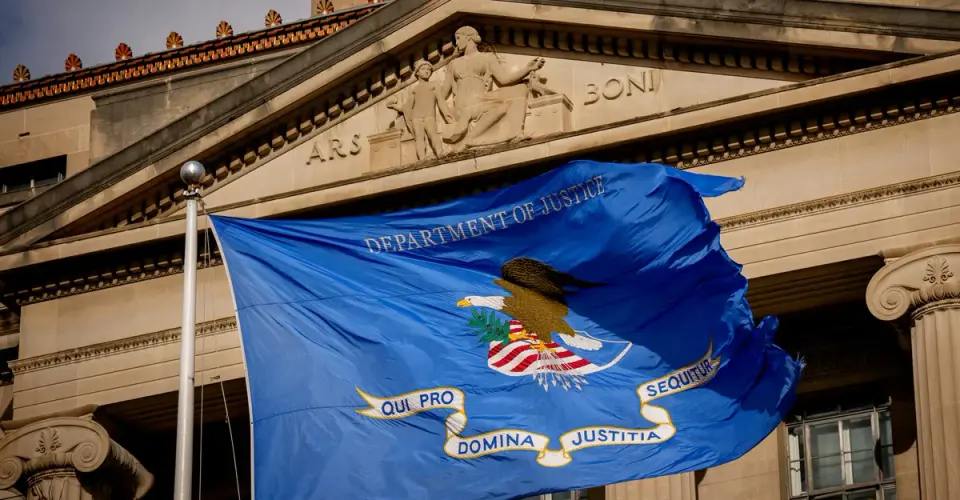
The Department of Justice has criminally charged former FBI officials Nikki Floris and Bradley Benavides with making false statements to Congress regarding their involvement in the 2020 Hunter Biden laptop investigation. The charges, filed via criminal complaint just days before the November midterm elections, have drawn sharp criticism from defense attorneys and some legal observers who argue the timing and substance are politically motivated. While prosecutors allege the pair lied about their knowledge of the laptop’s handling, the defendants maintain the accusations are baseless and driven by political opponents rather than factual evidence.
Key points
- Nikki Floris and Bradley Benavides, former leaders of the disbanded Foreign Influence Task Force, face one criminal count each for allegedly lying to the House Judiciary Committee in 2023 about their roles in the Hunter Biden laptop investigation.
- The charges were filed via criminal complaint rather than a grand jury indictment, a move Magistrate Judge Zia Faruqui noted is unusual for conduct that occurred years ago, though he set a preliminary hearing for Tuesday.
- The timing of the charges, announced less than two weeks before the November 3 midterm elections, has prompted defense attorneys to label the prosecution as politically motivated and a 'nonsense' attempt to influence the election.
- Prosecutors allege Floris and Benavides falsely claimed they had no knowledge of the laptop or its investigation, with Benavides allegedly stating he learned of it only through Wikipedia, despite evidence suggesting their involvement in shaping the public narrative.
- The case is part of a broader effort by FBI Director Kash Patel to scrutinize past investigations, coinciding with other high-profile DOJ actions against Democratic figures ahead of the midterms.
Background
The Hunter Biden laptop saga, which emerged in October 2020, involved a device reported by The New York Post to have been obtained from Rudy Giuliani and contained emails related to Hunter Biden’s foreign business dealings. The discovery raised concerns about potential Russian disinformation, with former intelligence officials questioning its authenticity, while then-DNI John Ratcliffe and FBI Director Chris Wray attested to its legitimacy. Hunter Biden was later convicted of gun and tax offenses and pardoned by President Joe Biden in December 2024. The Foreign Influence Task Force, which Floris and Benavides led, was disbanded in February 2025 by Attorney General Pam Bondi amid congressional Republican criticism.
How outlets are covering it
The Atlantic emphasizes the suspicious timing and lack of evidence, suggesting the charges are designed for social media engagement rather than justice. AP and The Guardian highlight the unusual nature of the criminal complaint and the defense’s argument that the charges are politically motivated, noting the broader pattern of DOJ actions against Democratic figures. NPR provides a neutral overview of the charges and the defendants’ court appearances, while also contextualizing the laptop’s role in the 2020 election. All sources agree on the basic facts of the charges but differ in their assessment of the prosecution’s integrity, with The Atlantic being the most critical and AP/Guardian more focused on the procedural and political context.
Why it matters
The case underscores the increasing politicization of federal law enforcement and the DOJ’s use of criminal charges as a tool in the lead-up to elections. It raises questions about the integrity of prosecutorial work and the potential for the justice system to be used to target political opponents, particularly in the context of the 2026 midterm elections. The outcome could influence public trust in federal institutions and set a precedent for how past investigations are revisited by new administrations.
What to watch
A preliminary hearing is scheduled for Tuesday, where the court will decide whether the case proceeds to trial. The defense is expected to challenge the validity of the criminal complaint and argue that the charges are politically motivated. The outcome of the hearing will determine whether the case moves forward or is dismissed, and it will likely influence the broader narrative around the DOJ’s actions ahead of the midterms.
- A Very Suspicious Prosecution of Two Former FBI Officials The Atlantic
- Ex-FBI employees charged with lying to Congress over Hunter Biden inquiries NPR
- 2 ex-FBI officials charged with lying about involvement in investigation into Hunter Biden's laptop AP News
- Two ex-FBI officials charged with lying about investigation into Hunter Biden’s laptop The Guardian
- Two Former F.B.I. Officials Charged With False Statements About Hunter Biden The New York Times
Want the full story? Read the original reporting
Read on The Atlantic