
DOJ files 40 denaturalization cases in record push under Trump
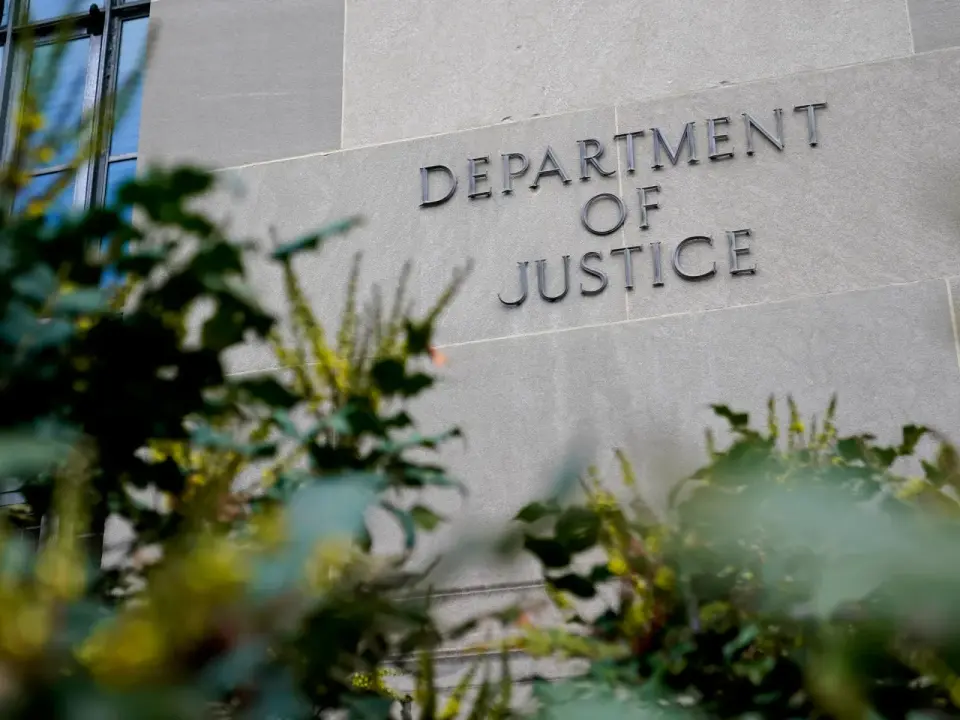
The US Justice Department has filed 40 new petitions to strip citizenship from naturalized Americans, marking the largest single batch of denaturalization actions in modern history. Attorney General Todd Blanche stated the cases target individuals who concealed 'material facts' or committed serious crimes, including espionage and fraud, during their naturalization processes. The actions, filed between August and October 2026, involve citizens from countries including Mexico, China, and Pakistan. While the DOJ frames this as a national security measure, critics argue the expansion of denaturalization risks statelessness and serves as a political tool against perceived enemies, a shift from the historically rare use of such laws.
Key points
- Attorney General Todd Blanche announced 40 new denaturalization petitions, described as the largest volume in a short period under President Trump.
- The cases were filed across multiple federal courts between August 21 and October 2, 2026.
- Charges include money laundering, child sexual abuse, visa fraud, tax evasion, and espionage for China.
- The targeted individuals hail from 20+ countries, with nine from Mexico, four from Pakistan, and two from China.
- One case involves Jinchao Wei, a former US Navy sailor convicted of espionage and sentenced to over 16 years in prison.
- The DOJ claims these individuals lacked 'good moral character' and concealed facts that would have disqualified them from citizenship.
Background
Denaturalization has historically been a rare legal tool, used sparingly for egregious offenses like Holocaust involvement or war crimes. Between 1990 and 2017, the US filed an average of 11 such cases per year. This number rose to 25 annually during Trump’s first term. In his second term, the administration has intensified efforts, with a June 2025 memo expanding categories for denaturalization. Previous waves included 17 cases in June, 10 in July, and 25 in August 2026. This follows a broader push to restrict birthright citizenship, which the Supreme Court struck down in 2026, and amid political threats to strip citizenship from figures like Elon Musk and NYC Mayor Zohran Mamdani.
How outlets are covering it
The Justice Department, led by AG Todd Blanche, frames the 40 cases as a necessary national security measure to protect the public from 'serious criminal offenders' who lied to obtain citizenship. Al Jazeera and Time highlight the unprecedented scale of these actions, noting the DOJ’s claim that this is the largest denaturalization effort in modern history. NBC News emphasizes the legal basis, citing the Immigration and Nationality Act, which allows revocation if citizenship was obtained through concealment of material facts. The Guardian and Time note the political controversy, pointing out that Trump has previously threatened to denaturalize political rivals like Mamdani and Musk, leading critics to view these actions as politically motivated. Human rights groups, cited by Al Jazeera, warn that such expansions could result in statelessness, a concern not emphasized by the DOJ. Time also notes a discrepancy in transparency, citing an August report suggesting the true number of cases may be higher than publicized due to selective disclosure by the DOJ.
Why it matters
This move signals a significant shift in US immigration policy, moving from a rare legal remedy to a mass enforcement tool. It raises constitutional questions about the irrevocability of citizenship and the potential for political weaponization of the justice system. The expansion could affect the 25.8 million naturalized citizens in the US, creating uncertainty about the stability of their legal status. Furthermore, it intersects with ongoing debates over birthright citizenship and mass deportation, potentially setting precedents for future legal challenges and influencing the 2026 midterm elections, where immigration policy is a key issue.
What to watch
The 40 cases will proceed through federal courts, where the government must prove that citizenship was illegally obtained. Legal experts will likely challenge the DOJ’s expanded definitions of 'material facts' and 'good moral character.' The administration may file additional cases, as an unnamed official told CNN in June that at least 250 cases were planned by October. Critics and human rights groups may file lawsuits to block the proceedings, arguing they violate due process and risk statelessness. The outcome of these cases could set a precedent for future denaturalization efforts and influence public opinion ahead of the November 2026 midterm elections.
- Attorney General announces record number of cases to strip US citizenship Al Jazeera
- DOJ moves to revoke U.S. citizenship for 40 foreign-born Americans nbcnews.com
- US justice department moves to strip citizenship of 40 naturalized citizens The Guardian
- Trump Administration Mounts ‘Largest Denaturalization Effort in Modern History’ time.com
- US seeks to revoke citizenship of 2 China-born men convicted in Beijing-linked cases SCMP
Want the full story? Read the original reporting
Read on Al Jazeera