
DOJ Files Misconduct Complaints Against Minnesota Judges Over Immigration Criticism
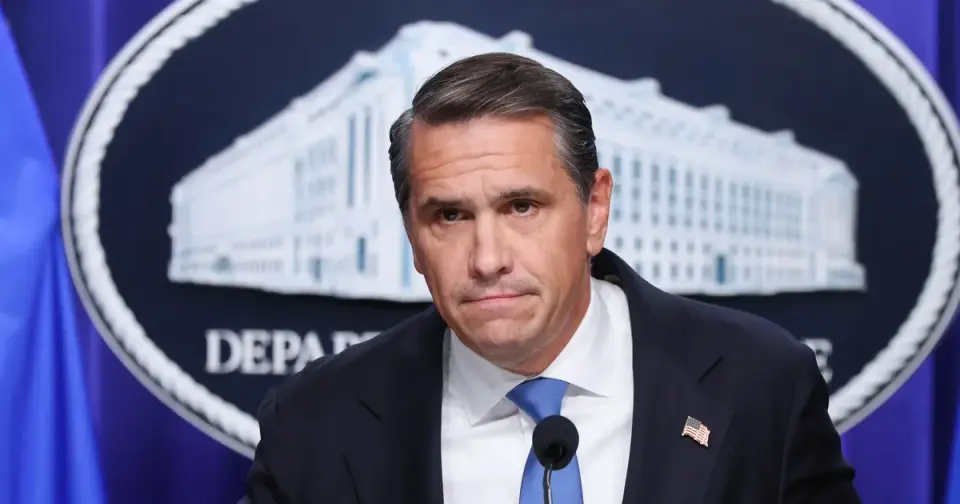
The U.S. Department of Justice filed a judicial misconduct complaint against six of the seven active federal district judges in Minnesota, demanding their recusal from cases involving the Department of Homeland Security. The action follows a New York Times interview where the judges criticized the administration's handling of immigration enforcement during 'Operation Metro Surge.' Attorney General Todd Blanche labeled the comments 'overtly political' and a violation of judicial ethics, while court officials and the judges themselves argue they acted within ethical guidelines protecting judicial independence.
Key points
- Attorney General Todd Blanche announced the complaint on September 30, 2026, targeting judges who spoke to the New York Times about concerns regarding the government's handling of immigration cases.
- The complaint specifically names Senior Judges Patrick Schiltz and John Tunheim, accusing them of 'flagrantly violating the Code of Judicial Conduct' with 'improper and unethical comments.'
- The DOJ requested the 8th Circuit Court of Appeals to order the judges to recuse themselves from any matters involving the Department of Homeland Security and to investigate the conduct of the other anonymous judges involved.
- Judge Schiltz had previously issued orders accusing ICE of violating 96 court orders in 74 cases related to the immigration surge, stating that 'ICE is not a law unto itself.'
- Judge Tunheim criticized the administration's claim that it was arresting the 'worst of the worst,' stating that the detainees did not appear to be dangerous criminals.
- The complaint was signed by Acting Deputy Attorney General Trent McCotter and Associate Attorney General Stanley Woodward, who described the judges' actions as a 'partisan press campaign.'
Background
This dispute arises from the 'Operation Metro Surge,' an immigration enforcement campaign launched in December 2025 that deployed over 3,000 federal authorities to Minnesota. The surge led to violent clashes, resulting in the deaths of two people, Renee Good and Alex Pretti, in January 2026. Federal judges in Minnesota faced a surge of petitions from migrants challenging their detentions. Tensions between the Trump administration and the federal judiciary have escalated, with the administration previously filing unsuccessful misconduct complaints against judges in Washington, D.C., and Maryland. The current complaint is part of a broader pattern of the administration challenging judicial authority and criticizing judges who rule against its policies.
How outlets are covering it
The Justice Department, led by Attorney General Todd Blanche and Acting Deputy Attorney General Trent McCotter, views the judges' interviews as a clear violation of judicial ethics and an 'overtly political' act that undermines public confidence in an impartial judiciary. They argue the comments were 'flagrantly' unethical and constituted a 'partisan press campaign.' In contrast, the Minnesota federal district court and the judges themselves, including Patrick Schiltz and John Tunheim, maintain that they acted within the bounds of judicial ethics. They cite a February advisory from the Judicial Conference's Committee on Codes of Conduct, which allows judges to speak on 'core judiciary matters' such as the rule of law and judicial independence, and to offer 'measured defense' of colleagues against illegitimate criticism. CNN notes that the administration's tactics, including public attacks on judges, have raised concerns about intimidation and threats to judicial independence, while the DOJ argues the judges' comments were biased and touched on pending cases. The Judicial Conference's advisory provides a nuanced view, permitting speech on judicial independence but instructing judges to consider the 'tone, context, and form' of their statements, including when speaking anonymously to the press.
Why it matters
This case highlights the escalating tensions between the executive and judicial branches of the U.S. government, particularly regarding immigration enforcement and the limits of judicial speech. The outcome of the misconduct complaint could set a precedent for how judges can publicly comment on government actions and the extent to which the executive branch can challenge judicial independence. It also raises questions about the ethical boundaries of judicial conduct and the role of the press in holding the government accountable. The dispute could impact the handling of immigration cases in Minnesota and potentially across the country, as the administration seeks to limit judicial oversight of its enforcement actions.
What to watch
The 8th Circuit Court of Appeals will review the misconduct complaint and decide whether to order the recusal of the Minnesota judges from cases involving the Department of Homeland Security. The court may also launch an investigation into the 'improper conduct' of the judges. The outcome of this case could influence how other federal judges respond to government actions and the extent to which the executive branch can challenge judicial authority. The administration may continue to pursue similar complaints against other judges who criticize its policies, while the judiciary may face increased pressure to defend its independence and the rule of law.
- Justice Department files judicial misconduct complaint against federal judges in Minnesota CBS News
- DOJ accuses Minnesota federal judges of misconduct for NY Times immigration interviews CNBC
- Trump administration escalates feud with federal judges CNN
- DOJ seeks to censure judges who spokes to NYT about Minnesota immigration raids The Hill
- DOJ files complaint against Minnesota’s federal judges over media comments Star Tribune
Want the full story? Read the original reporting
Read on CBS News