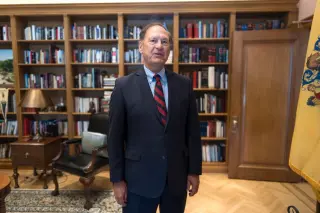
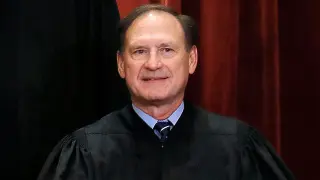
Justice Samuel Alito stated that the surge in Supreme Court emergency rulings is likely to continue as presidents increasingly use executive orders, bypassing Congress. He criticized the harsh rhetoric from political figures, noting it damages public trust in the court, though he maintains decisions are made on merit. Alito also explained his decision to recuse himself from a major climate change case involving oil companies, citing inherited stock holdings.
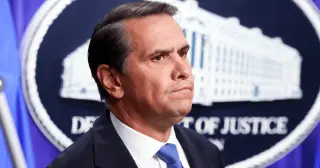
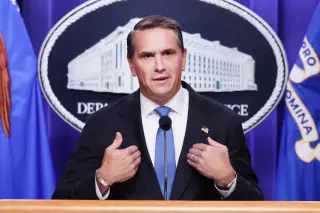
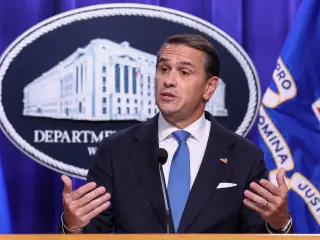
The U.S. Department of Justice has filed a formal judicial misconduct complaint against nearly all active federal judges in Minnesota, alleging they violated ethical canons by speaking to The New York Times about the administration’s immigration enforcement surge. Attorney General Todd Blanche accused the judges of displaying bias against the Department of Homeland Security and demanded their recusal from all DHS-related cases. The judges, including former Chief Judge Patrick Schiltz and Judge John Tunheim, maintain their comments were protected advocacy for judicial independence under recent Judicial Conference guidance. The complaint, filed with the 8th Circuit Court of Appeals, marks a significant escalation in tensions between the executive and judicial branches, following a winter surge in immigration cases that overwhelmed the Minnesota district court. While the DOJ argues the remarks were political and concerned pending matters, court officials and legal experts assert the judges acted within ethical bounds to defend the rule of law. The move follows previous, unsuccessful attempts by the administration to discipline judges in other districts, highlighting a broader conflict over judicial authority and executive compliance with court orders.
Attorney General Todd Blanche filed a judicial misconduct complaint against six of seven active federal judges in Minnesota, accusing them of violating ethics rules by speaking to the New York Times about the administration's immigration enforcement surge. The complaint, signed by Acting Deputy AG Trent McCotter and Associate AG Stan Woodward, demands that Chief Judge Patrick Schiltz and Judge John Tunheim recuse themselves from all Department of Homeland Security cases. While the DOJ claims the judges engaged in 'overtly political' commentary on pending matters, the judges and court officials argue their statements were protected advocacy for judicial independence under recent Judicial Conference guidance. The move marks a significant escalation in the Trump administration's conflict with the federal judiciary, following previous failed attempts to discipline judges in other districts.
The U.S. Justice Department filed a judicial misconduct complaint against six federal judges in Minnesota for speaking to the New York Times about the administration's immigration enforcement. Attorney General Todd Blanche accused the judges of showing bias and violating ethical rules by discussing pending cases. The judges and court officials argue their comments were protected under recent ethics guidance regarding judicial independence. This action escalates tensions between the executive and judicial branches, following a period of intense conflict over immigration policies and court orders.
The U.S. Department of Justice has filed formal judicial misconduct complaints against six of the seven active federal district judges in Minnesota, demanding their recusal from cases involving the Department of Homeland Security. The action follows a New York Times interview in which the judges criticized the administration's handling of immigration enforcement during 'Operation Metro Surge.' Attorney General Todd Blanche labeled the comments 'overtly political' and a violation of judicial ethics, while the judges and court officials argue they acted within ethical guidelines protecting judicial independence. This marks a significant escalation in tensions between the Trump administration and the federal judiciary, following a winter surge of immigration enforcement in Minnesota that resulted in violent clashes and numerous legal challenges.
The U.S. Department of Justice has filed a formal judicial misconduct complaint against nearly all federal district judges in Minnesota, alleging they violated ethics codes by criticizing the administration's immigration enforcement efforts in interviews with The New York Times. Attorney General Todd Blanche accused the judges of displaying bias and making political statements about pending cases, demanding their recusal from matters involving the Department of Homeland Security. The complaint specifically targets Chief Judge Patrick Schiltz and Judge John Tunheim, while also citing anonymous judges who spoke to reporters. In response, the judges and court officials argue they acted within ethical guidelines that permit discussion of judicial independence and the rule of law. This action marks a significant escalation in tensions between the Trump administration and the federal judiciary, following a winter surge of immigration enforcement in Minnesota that resulted in violent clashes and numerous legal challenges.
The U.S. Department of Justice filed a judicial misconduct complaint against six of the seven active federal district judges in Minnesota, demanding their recusal from cases involving the Department of Homeland Security. The action follows a New York Times interview where the judges criticized the administration's handling of immigration enforcement during 'Operation Metro Surge.' Attorney General Todd Blanche labeled the comments 'overtly political' and a violation of judicial ethics, while court officials and the judges themselves argue they acted within ethical guidelines protecting judicial independence.
Justice Samuel Alito recused himself from Suncor Energy v. Boulder County just days before oral arguments, potentially leaving the Supreme Court evenly split. The case, which could determine whether oil companies face billions in climate liability, now risks a 4-4 tie that would uphold lower court rulings allowing state-level lawsuits to proceed.
Justice Samuel Alito has recused himself from the Supreme Court's upcoming hearing on Suncor Energy v. Boulder, a pivotal climate litigation case. The decision follows intense pressure from environmental groups citing his stock holdings in rival oil companies. The recusal creates a potential 4-4 split on the court, which could leave the legal questions unresolved and allow similar state-level lawsuits to proceed.
Trump-appointed federal appeals judge Jennifer Mascott ran Adfero, a Washington public affairs firm, for at least six months after her Oct 2025 confirmation, overseeing staffing and client relations while continuing full-time judicial duties. The arrangement drew scrutiny over potential conflicts of interest and partisan influence, contributed to a wave of resignations, and led to Adfero’s closure in June 2026. Experts describe it as a gray area under judicial ethics rules; Mascott says she complied and recused when appropriate. The episode underscores ongoing debates over ethics guardrails for judges.
Essence features Justice Ketanji Brown Jackson, prompting critics to say a Supreme Court justice should avoid celebrity-style publicity that could blur the line between law and politics. Supporters note that outreach is part of the job, and Jackson defended attending events like the Grammys as community engagement, while critics call for clearer ethics guidelines.
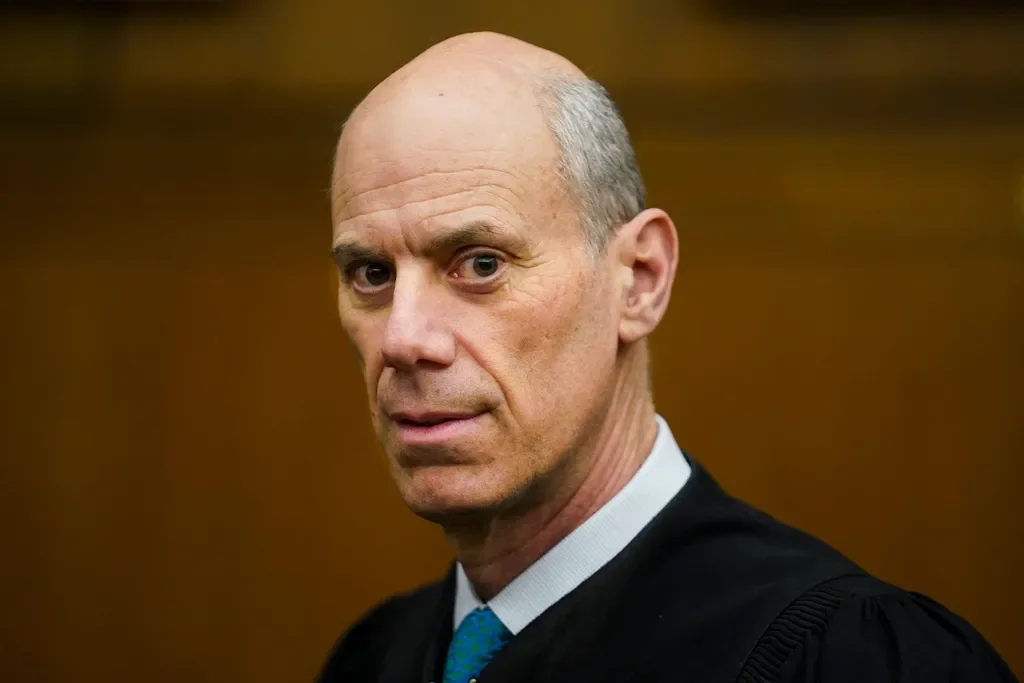
US District Judge Eleanor Ross of the Northern District of Georgia received a private reprimand from the Eleventh Circuit after a two-year sexual relationship with an Atlanta Police Department deputy chief conducted in chambers during business hours, creating a hostile work environment for clerks and presenting a potential conflict of interest. The panel called the conduct a gross lack of judgment and noted risk of extortion given the judge’s spouse was unaware. Ross agreed to apology letters and to refrain from leadership roles, but critics say the punishment was too lenient because it remained confidential and did not address potential conflicts in her courtroom. Ross is notable as the first Black woman to serve as a judge in that district and has presided over high-profile cases, including the Chrisley fraud case.
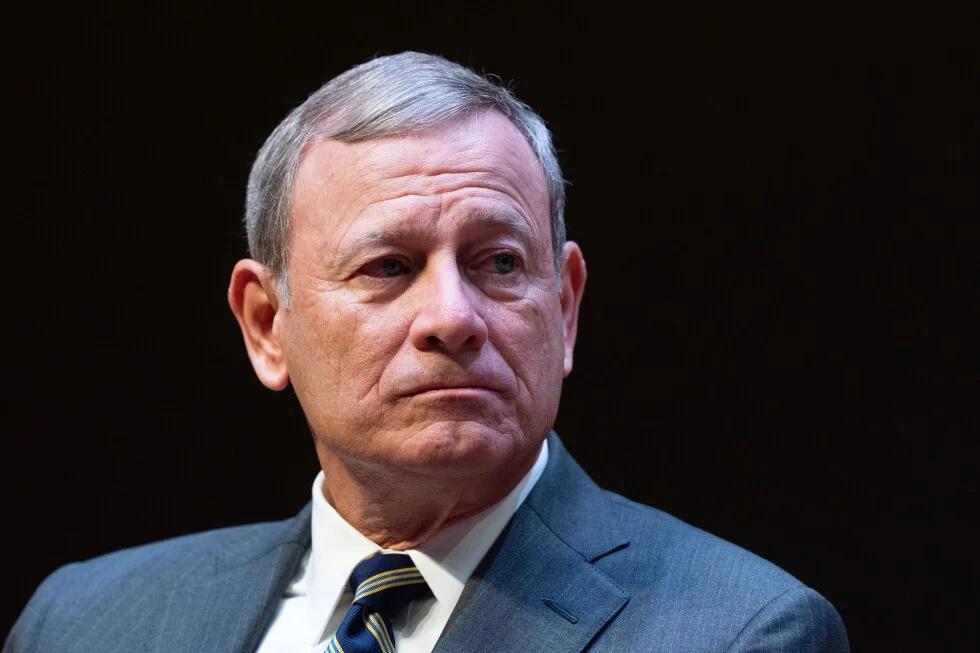
Chief Justice John Roberts urged an end to personal criticism of judges, calling it dangerous to the judiciary in remarks during a Georgetown Law graduation address in 2025.
The Justice Department filed a formal complaint against U.S. District Judge James Boasberg, accusing him of misconduct related to comments about the judiciary and seeking his removal from a high-profile deportation case, amid ongoing tensions with the Trump administration and concerns over judicial integrity.
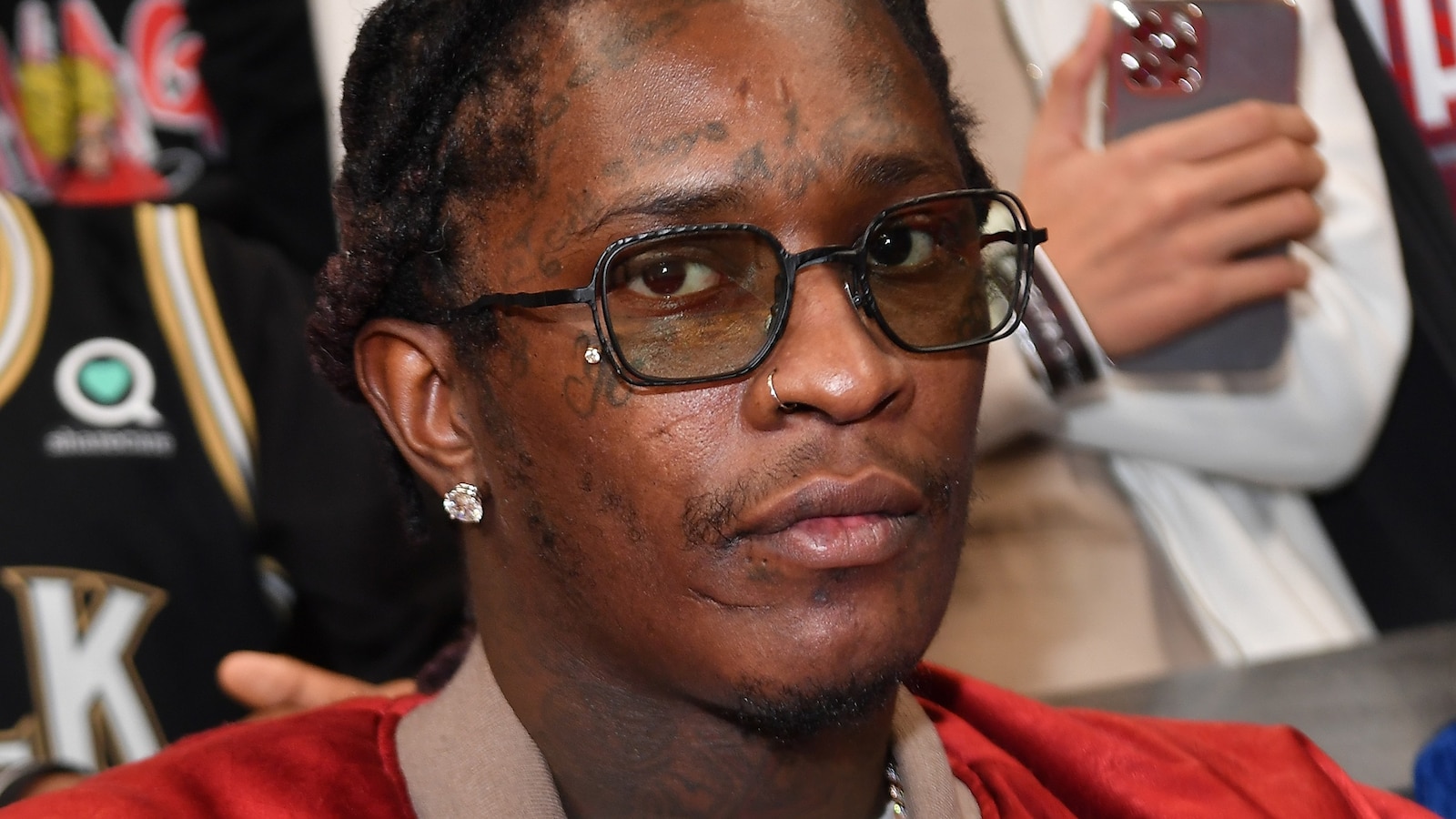
Judge Ural Glanville has been removed from rapper Young Thug's trial after a recusal request due to a meeting with prosecutors and a state witness that excluded the defense. Judge Rachel Krause, who found no impropriety in Glanville's actions but prioritized public trust, has replaced him. This change follows a motion by Young Thug's attorney citing the secret meeting and subsequent legal disputes. Young Thug faces multiple charges under a RICO indictment.