
DOJ Files Preemptive Lawsuit to Block Alaska Senate Certification Over Name Confusion
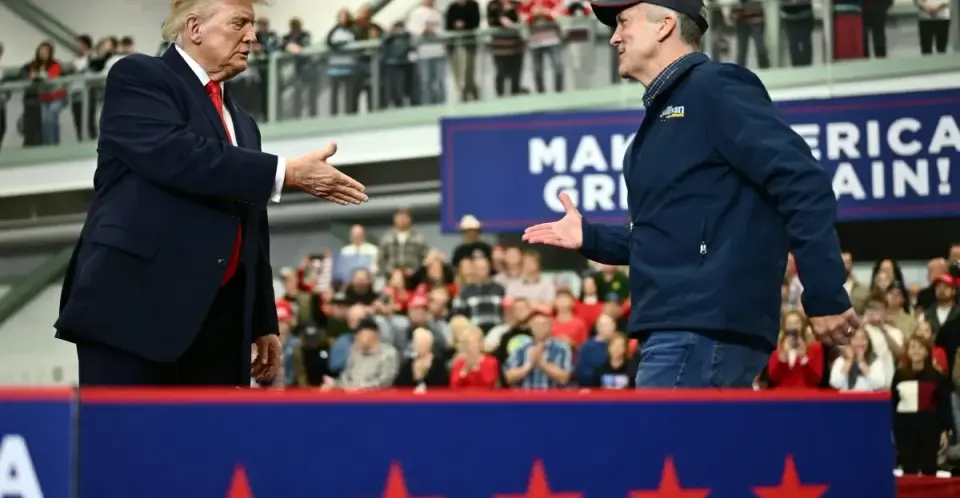
The Trump administration has filed a federal lawsuit in Alaska seeking to block the certification of the U.S. Senate race if incumbent Republican Dan S. Sullivan loses to Democrat Mary Peltola. The Justice Department argues that a second candidate named Dan J. Sullivan is confusing voters and tainting the results. While polls show a tight race, legal experts describe the lawsuit as weak and unprecedented, noting that state courts already ruled Dan J. Sullivan could remain on the ballot. The move highlights growing concerns over federal interference in election outcomes as the November 3 vote approaches.
Key points
- The Justice Department filed a lawsuit in federal district court in Alaska, naming state elections officials as defendants, to potentially halt the certification of the Senate race results if Dan S. Sullivan loses by a margin smaller than the votes received by Dan J. Sullivan.
- Associate Attorney General Stanley Woodward led the filing, arguing that Dan J. Sullivan’s candidacy is designed to benefit the Peltola campaign by confusing voters who intend to support the incumbent. The suit cites the National Voter Registration Act to justify federal intervention.
- Dan J. Sullivan, a retired schoolteacher and former Alaska Independence Party member, advanced to the general election after state courts rejected attempts to remove him from the ballot. He received 2.5 percent of the primary vote, largely from liberal areas.
- President Trump publicly ordered the lawsuit, calling Dan J. Sullivan’s candidacy a 'scam' and promising legal action to hold Democrats accountable for alleged election interference.
- Election experts, including Derek Muller of the University of Notre Dame, called the legal claim 'absurdly thin' and unlikely to succeed, noting that investigating voter intent after secret ballots are cast is practically impossible.
- The race is critical for Senate control, with polls showing Peltola slightly ahead. Alaska uses ranked-choice voting, which complicates tabulation and heightens the potential for litigation if the margin is narrow.
Background
The Alaska Senate race has been a focal point for the 2026 midterms, with President Trump and Vice President JD Vance campaigning for incumbent Dan S. Sullivan in Wasilla in October. Previous coverage highlighted the tight contest, with Peltola gaining ground by criticizing Sullivan’s wealth and alignment with unpopular policies like the Iran war. The current lawsuit follows earlier state court battles where Dan J. Sullivan was allowed to remain on the ballot, despite Republican objections. This federal intervention marks a shift from previous attempts to influence state election administration, which have largely failed in court.
How outlets are covering it
Vox and The Washington Post emphasize the unprecedented nature of the federal government attempting to block election certification before the vote, framing it as a sign of broader efforts to manipulate outcomes. The Guardian highlights the 'unprecedented intervention' by the federal government and quotes experts calling the legal basis 'absurdly thin,' while also noting Trump’s direct order to file the suit. CNN focuses on Associate Attorney General Stanley Woodward’s aggressive role in the administration’s legal agenda, describing his recent court appearances as extreme and politically motivated. All sources agree on the tightness of the race and the presence of two Dan Sullivans on the ballot, but differ in emphasis: Vox and The Post focus on the legal weakness, The Guardian on the political implications, and CNN on the internal DOJ dynamics and Woodward’s persona.
Why it matters
This lawsuit represents a potential precedent for federal interference in state election certification, raising concerns about the integrity of the 2026 midterms. If successful, it could delay or alter the outcome of a race that may determine control of the U.S. Senate. The move also signals the Trump administration’s willingness to challenge election results through legal means, potentially setting the stage for further litigation in other close races. It underscores the growing tension between the federal government and state election officials, as well as the risks of using broad statutory language to justify political interventions in the electoral process.
What to watch
The federal court will review the Justice Department’s request to pause certification of the Alaska Senate results if Dan S. Sullivan loses narrowly. Legal experts expect the lawsuit to face significant judicial scrutiny, with many predicting it will fail due to the lack of a viable method to investigate voter intent post-election. The race itself will proceed on November 3, with results potentially delayed due to ranked-choice voting tabulation. If the lawsuit is dismissed, the focus will shift to whether the administration pursues other legal challenges in close races, particularly if Democrats gain control of the Senate.
- Can Trump block the Alaska Senate election? Vox
- Trump says he ordered DoJ to file lawsuit to block Alaska Senate results certification The Guardian
- This Justice Department official hustles to the forefront of Trump’s legal agenda CNN
- Why Legal Experts See the Justice Dept.’s Alaska Election Challenge as Dubious The New York Times
- DOJ seeks to block Alaska Senate result if Republican incumbent narrowly loses The Washington Post
Want the full story? Read the original reporting
Read on Vox