
DOJ Files Record 40 Denaturalization Cases Against Naturalized Citizens
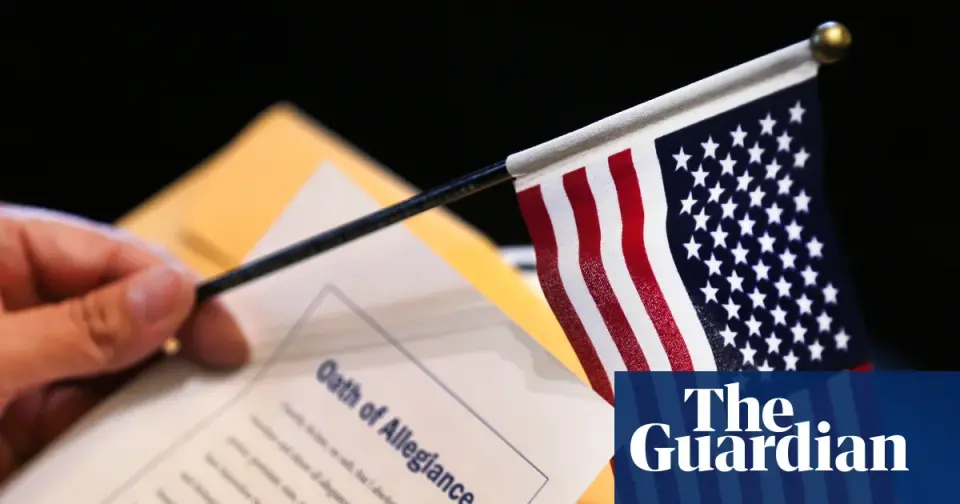
The US Justice Department has filed denaturalization actions against 40 naturalized citizens, the largest single-period batch in the current administration. The cases, filed between August and October 2026, allege that these individuals concealed material facts or committed serious crimes, including espionage and sexual offenses, during their naturalization processes. Officials describe the move as a necessary measure to protect national security and integrity, while critics and legal experts note the historical rarity of such actions and the high legal bar required to strip citizenship.
Key points
- The Justice Department filed denaturalization petitions against 40 individuals across multiple federal courts between August 21 and October 2, 2026.
- Attorney General Todd Blanche stated the cases target individuals who concealed critical facts or committed serious crimes, including espionage, voluntary manslaughter, and sexual offenses against minors.
- The accused individuals are from various countries, including Mexico, China, Pakistan, and the Philippines, with specific cases involving former Navy sailor Jinchao Wei and others accused of fraud or identity theft.
- The Immigration and Nationality Act allows citizenship revocation if it was illegally obtained through concealment of material facts or willful misrepresentation.
- A June 2025 memo instructed the Justice Department to expand denaturalization efforts, with officials claiming a goal of at least 250 cases by October 2026.
Background
Denaturalization has historically been a rare legal process, with only about 120 cases between 2017 and late 2025. The current administration has significantly increased the frequency of such actions, following a 2025 memo that broadened the categories of individuals eligible for denaturalization. This follows earlier waves of cases in June, July, and August 2026, and aligns with broader immigration enforcement strategies, including previous proposals for high H-1B fees and pauses on immigrant visa interviews.
How outlets are covering it
The Justice Department and Attorney General Todd Blanche frame the denaturalization actions as a necessary measure to maintain national security and protect the integrity of US citizenship, stating that the accused 'lied their way into US citizenship.' In contrast, critics and legal experts argue that the expansion of denaturalization risks statelessness and serves as a political tool, noting that the Supreme Court has set a high bar for stripping citizenship. The New York Times reported that the Justice Department had identified at least 384 foreign-born citizens for potential denaturalization in April, while the Transactional Records Access Clearinghouse noted that the true number of cases may be higher than publicized due to selective disclosure by the Justice Department.
Why it matters
The denaturalization process is a powerful legal tool that can strip individuals of their citizenship, with significant implications for their legal status and rights. The current push by the Justice Department to expand denaturalization efforts raises questions about the balance between national security and the rights of naturalized citizens, as well as the potential for such actions to be used as a political tool. The high legal bar required for denaturalization, as set by the Supreme Court, makes these cases particularly significant and controversial.
What to watch
The Justice Department plans to continue pursuing denaturalization cases, with officials claiming a goal of at least 250 cases by October 2026. The cases will be heard in multiple federal courts, and the outcomes will depend on the evidence presented and the legal standards set by the Supreme Court. The Justice Department may also face legal challenges from the accused individuals and their attorneys, who may argue that the denaturalization actions are unjustified or politically motivated.
- US justice department moves to strip citizenship of 40 naturalized citizens The Guardian
- Justice Department Moves to Strip Citizenship from 40 Criminals in Largest Single-Period Filing Under the Trump Administration Department of Justice (.gov)
- Trump Administration Mounts ‘Largest Denaturalization Effort in Modern History’ Time Magazine
- DOJ moves to revoke U.S. citizenship for 40 foreign-born Americans NBC News
- DOJ files record number of cases to strip Americans of citizenship The Hill
Want the full story? Read the original reporting
Read on The Guardian