
DOJ leadership exodus follows midterm losses as 'grand conspiracy' probe leader resigns
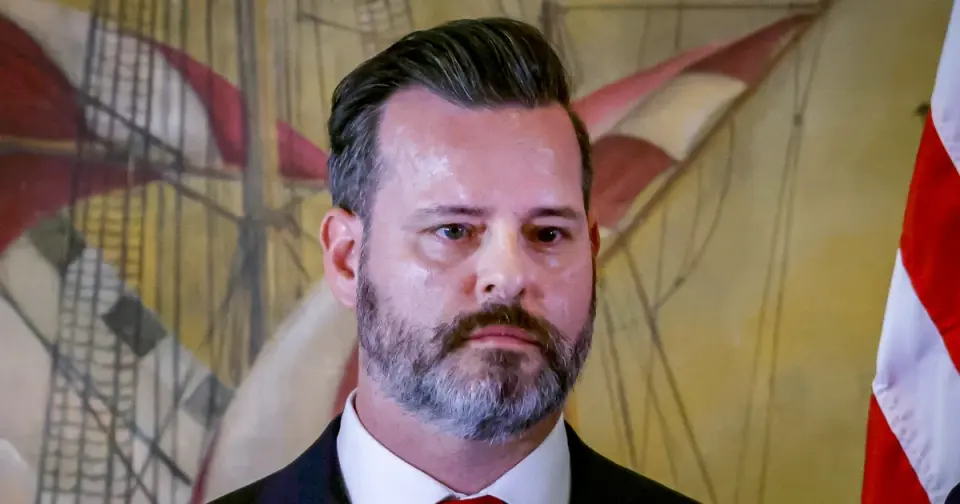
Jason A. Reding Quiñones, the U.S. Attorney for the Southern District of Florida, has resigned from the Justice Department. His departure follows the midterm elections and marks the third high-profile exit from the administration’s legal team this week. Quiñones led the controversial 'grand conspiracy' investigation targeting former officials who investigated President Trump, though no charges were ever filed in that case. Attorney General Todd Blanche announced the resignation on Friday, citing Quiñones’s work on violent crime and the indictment of Raúl Castro. The departure coincides with the resignations of National Security Division chief John Eisenberg and Civil Rights Division head Harmeet Dhillon, signaling a significant shakeup in the DOJ following Republican electoral losses.
Key points
- Jason A. Reding Quiñones submitted his resignation as U.S. Attorney for the Southern District of Florida on Friday, November 6, 2026.
- Attorney General Todd Blanche announced the departure, praising Quiñones for his work on violent crime, drug trafficking, and the indictment of former Cuban president Raúl Castro.
- Quiñones oversaw the 'grand conspiracy' probe, which sought to charge officials for actions related to investigations of Trump dating back to 2016, but no charges were ever brought in that effort.
- The resignation follows the departures of John Eisenberg, head of the National Security Division, and Harmeet Dhillon, head of the Civil Rights Division, within a 48-hour period.
- The exodus occurs immediately after the midterm elections, which resulted in significant losses for the Republican Party, potentially complicating the confirmation of new officials.
- Sources indicate Quiñones faced pressure from department leadership after failing to deliver on promises to bring major cases against political opponents within a specific timeframe.
Background
The 'grand conspiracy' investigation had already experienced significant instability in the months leading up to this resignation. In late September 2026, key figures including Kurt Olsen and lead prosecutor Joseph diGenova resigned from the team. DiGenova cited interference from Justice Department headquarters as a reason for his departure. The probe, which aimed to tie separate investigations into Trump into a single conspiracy theory, had not resulted in any criminal charges by the time of Quiñones’s exit. This latest resignation follows a pattern of leadership turnover within the DOJ’s political prosecution divisions.
How outlets are covering it
Outlets differ on the primary driver of Quiñones’s departure. CNN reports that he was pushed out by department leadership after failing to materialize the promised 'grand conspiracy' case, noting that his frequent travel to Washington D.C. highlighted his lack of results. NBC News frames the resignation as part of a broader wave of departures following the midterm losses, highlighting the failure of the probe to yield charges. The New York Times emphasizes the 'growing dissatisfaction' with his performance and notes that the Southern District of Florida’s staff had been reduced by more than half due to firings and resignations. Fox News focuses on the administrative shakeup, highlighting the simultaneous resignations of Eisenberg and Dhillon, and notes that Dhillon was asked by the White House to stay until after the midterms before leaving. While all sources confirm the resignation, they vary in attributing it to professional failure versus political fallout from the election results.
Why it matters
The resignation of the U.S. Attorney for the Southern District of Florida signals a potential end to the Trump administration’s most aggressive legal strategy against political opponents. The 'grand conspiracy' probe was a centerpiece of the administration’s retribution campaign, and its collapse without charges undermines the legal narrative of the White House. The simultaneous departures of three senior DOJ officials suggest a broader restructuring or retreat from controversial legal initiatives following the midterm losses. With a Democratic Senate likely to block confirmations, the administration may face challenges in filling these roles, potentially leading to a period of acting leadership or reduced activity in these divisions.
What to watch
The administration must now select a replacement for Jason A. Reding Quiñones, a process that may be complicated by the new balance of power in the Senate. The Justice Department will likely reassess its remaining political prosecution efforts, particularly the pending case against former FBI Director James Comey. The departures of Eisenberg and Dhillon suggest further leadership changes may be imminent as the administration adjusts to the post-midterm political landscape. The 'grand conspiracy' probe is expected to be effectively abandoned, as no charges were ever filed and key personnel have exited.
- Trump DOJ appointee who led ‘grand conspiracy’ probe of Trump foes resigns NBC News
- Two more DOJ officials resign, including head of national security division The Washington Post
- U.S. Attorney Who Oversaw Centerpiece of Trump’s Revenge Campaign Resigns The New York Times
- DOJ shake-up continues with head of national security division, US attorney in Miami resigning Fox News
- Three Justice Department officials, including man behind Trump’s ‘grand conspiracy’ probe, resign since brutal midterm losses CNN
Want the full story? Read the original reporting
Read on NBC News