
DOJ seeks recusal of Minnesota judges after ethics complaint over immigration remarks
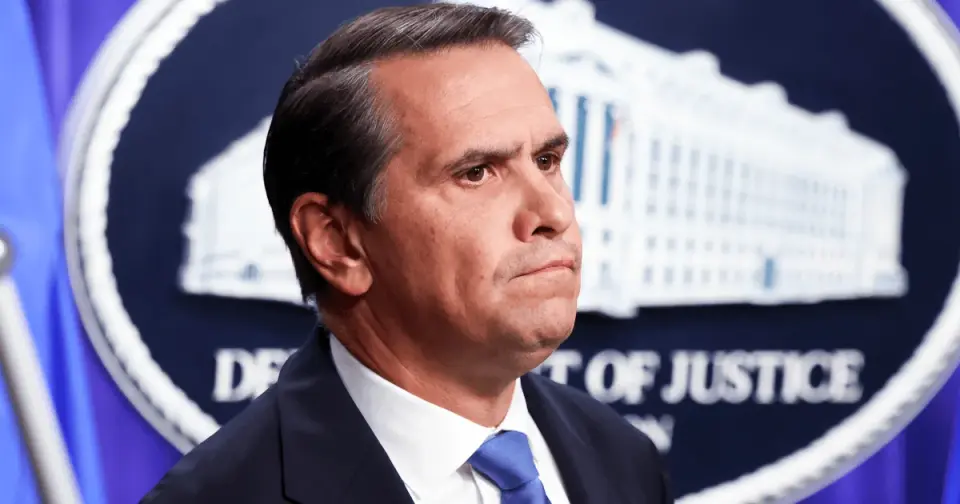
The U.S. Department of Justice has filed a formal judicial misconduct complaint against nearly all active federal judges in Minnesota, alleging they violated ethical canons by speaking to The New York Times about the administration’s immigration enforcement surge. Attorney General Todd Blanche accused the judges of displaying bias against the Department of Homeland Security and demanded their recusal from all DHS-related cases. The judges, including former Chief Judge Patrick Schiltz and Judge John Tunheim, maintain their comments were protected advocacy for judicial independence under recent Judicial Conference guidance. The complaint, filed with the 8th Circuit Court of Appeals, marks a significant escalation in tensions between the executive and judicial branches, following a winter surge in immigration cases that overwhelmed the Minnesota district court. While the DOJ argues the remarks were political and concerned pending matters, court officials and legal experts assert the judges acted within ethical bounds to defend the rule of law. The move follows previous, unsuccessful attempts by the administration to discipline judges in other districts, highlighting a broader conflict over judicial authority and executive compliance with court orders.
Key points
- DOJ filed a judicial misconduct complaint against six of seven active federal judges in Minnesota, including Patrick Schiltz and John Tunheim, for speaking to The New York Times about immigration enforcement.
- Attorney General Todd Blanche accused the judges of violating ethical canons by making 'overtly political' comments and showing bias against the Department of Homeland Security, demanding their recusal from all DHS cases.
- The judges and court officials argue their comments were protected under recent Judicial Conference guidance, which allows judges to speak on core judiciary matters like judicial independence and the rule of law.
- The complaint was filed with the 8th Circuit Court of Appeals, which oversees federal judges in Minnesota, and follows a winter surge in immigration cases that overwhelmed the Minnesota district court.
- The move marks a significant escalation in tensions between the Trump administration and the federal judiciary, following previous, unsuccessful attempts to discipline judges in other districts, such as Chief Judge James Boasberg in D.C.
Background
This development follows a winter surge in immigration enforcement in Minnesota, known as Operation Metro Surge, which led to a flood of habeas petitions and overwhelmed the federal district court. The judges had previously coordinated behind the scenes to manage the caseload, and their public comments in The New York Times were a response to what they perceived as the administration’s failure to comply with court orders. The DOJ’s complaint is part of a broader pattern of tensions between the Trump administration and the federal judiciary, with the administration accusing judges of being 'activist' and 'radical left,' while judges argue they are defending the rule of law and judicial independence. Previous attempts by the DOJ to discipline judges in other districts, such as Chief Judge James Boasberg in D.C., have failed, with the complaints being dismissed for lack of evidence.
How outlets are covering it
The DOJ, led by Attorney General Todd Blanche, argues that the judges’ comments were 'overtly political' and violated ethical canons by discussing pending cases and showing bias against the Department of Homeland Security. Blanche demanded their recusal from all DHS cases, stating that the judges’ remarks were 'obvious bias' and a 'grave threat to the rule of law.' In contrast, the judges and court officials, including Patrick Schiltz and Judge Nancy Brasel, argue that their comments were protected under recent Judicial Conference guidance, which allows judges to speak on core judiciary matters like judicial independence and the rule of law. Schiltz stated that he consulted the guidance and that his comments were 'exactly what I did.' Legal experts and court officials, including a spokesperson for the Minnesota district court, assert that the judges acted within ethical bounds and that the DOJ’s complaint is a 'frivolous' attempt to silence judges who speak out against the administration’s disregard for court orders. The 8th Circuit Court of Appeals will now review the complaint, with the potential for recusal or dismissal, but the bar for disqualification of judges is high, and previous efforts have gone nowhere.
Why it matters
This case highlights the escalating tensions between the Trump administration and the federal judiciary, with the DOJ’s complaint potentially setting a precedent for disciplining judges who speak out against the administration’s policies. The demand for recusal from all DHS cases could further disable the Minnesota district court, which is already overwhelmed by immigration cases, and could have implications for the administration’s ability to enforce its immigration agenda. The case also raises broader questions about the separation of powers and the role of the judiciary in holding the executive branch accountable, with the potential for the 8th Circuit’s decision to shape how other judges can address government defiance of their orders. The outcome could have significant implications for the rule of law and the independence of the federal judiciary, with the potential to influence future conflicts between the executive and judicial branches.
What to watch
The 8th Circuit Court of Appeals will review the DOJ’s complaint, with the potential for recusal or dismissal. The judges may seek further review, and the outcome could set a precedent for disciplining judges who speak out against the administration’s policies. The case could also have implications for the administration’s ability to enforce its immigration agenda, with the potential for further conflicts between the executive and judicial branches. The 8th Circuit’s decision could shape how other judges can address government defiance of their orders, with the potential to influence future conflicts between the executive and judicial branches. The case could also have implications for the rule of law and the independence of the federal judiciary, with the potential to influence future conflicts between the executive and judicial branches.
- Nearly all Minnesota’s active federal judges spoke out on the immigration surge. Did they violate ethics rules? ms.now
- Justice Department files complaint against judges over immigration enforcement surge comments NBC News
- Justice Department files judicial misconduct complaint against federal judges in Minnesota CBS News
- Trump administration escalates feud with federal judges CNN
- Justice Dept. Tries to Rebuke Federal Judges for Speaking to The Times The New York Times
Want the full story? Read the original reporting
Read on ms.now