
DOJ Sues California to Halt Counting of 20,000 Ballots Allegedly Cast by Noncitizens
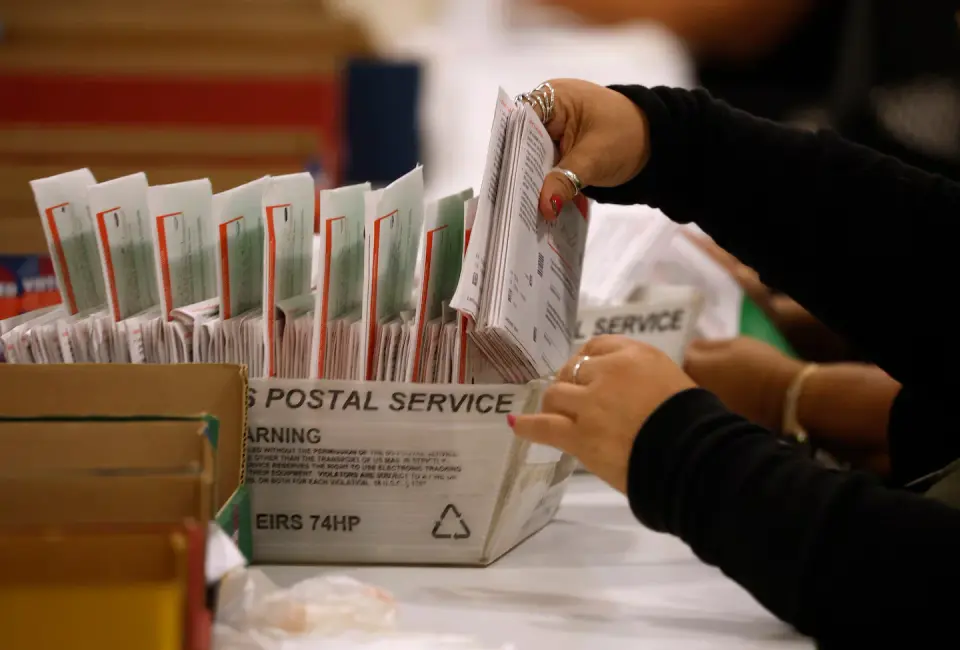
The U.S. Department of Justice has filed a lawsuit against California and Los Angeles County officials, seeking a court order to prevent the counting of mail-in ballots from approximately 20,000 individuals the federal government identifies as 'likely noncitizens.' The suit, filed in the Central District of California, follows a 48-hour deadline set by the DOJ for the state to review a list of names provided on a thumb drive. California officials have rejected the federal demand, citing data privacy concerns and a lack of verified evidence, while the DOJ argues the state failed to cooperate in cleaning its voter rolls ahead of the November 3 midterm elections.
Key points
- The Justice Department sued California and Los Angeles County, claiming they plan to count ballots from over 20,000 alleged noncitizens in the upcoming midterms.
- California Secretary of State Shirley Weber and LA County Registrar Dean Logan refused to review the DOJ's list, citing data security protocols and unverified claims.
- The DOJ seeks a temporary injunction to block the tabulation of these specific mail ballots until citizenship status is confirmed.
- California officials argue the federal government's data is unreliable, noting a previous claim of 190,000 noncitizens that was not substantiated.
- The lawsuit is part of a broader federal effort to challenge state voter rolls, though the DOJ has lost 26 of 31 similar cases to date.
Background
This legal action is part of a sustained federal campaign to scrutinize state voter rolls. In September 2026, the DOJ charged 16 individuals across seven states with illegal voting, though critics noted the small number of convictions relative to broader claims of widespread fraud. The current suit represents a shift in strategy, moving from criminal charges to seeking injunctive relief to block the counting of specific ballots before the November 3 elections.
How outlets are covering it
The Washington Post and The New York Times frame the lawsuit as a new front in the Trump administration's legal battles with election officials, noting the DOJ's previous losses in similar cases. CBS News highlights the procedural friction, detailing the DOJ's use of a password-protected thumb drive and the 48-hour deadline, which California officials rejected on security grounds. The Associated Press, via KMPH Fox 26, emphasizes the political dispute, quoting California Attorney General Rob Bonta's criticism that the federal government's numbers are 'baseless' and that the state is in 'full compliance' with federal law. While all outlets agree on the core facts of the lawsuit, they differ in emphasis: some focus on the legal strategy, while others highlight the state's refusal to engage with the federal data due to privacy and verification concerns.
Why it matters
The outcome of this lawsuit could set a precedent for federal intervention in state election processes. If the court grants the injunction, it would mark the first time a federal judge has blocked the counting of specific ballots based on citizenship claims before an election. Conversely, a rejection would reinforce state autonomy in managing voter rolls and could embolden other states to resist similar federal demands. The case also highlights ongoing tensions between federal and state authorities over the definition and verification of voter eligibility.
What to watch
The case will proceed in the U.S. District Court for the Central District of California. California officials have indicated they will not comply with the DOJ's demands to review the list or segregate ballots. The DOJ is expected to argue that the state's refusal to cooperate constitutes a violation of federal election laws. The court's decision on the injunction request will likely come in the coming weeks, potentially impacting the handling of mail-in ballots for the November 3 midterm elections.
- Justice Dept. sues California officials over 20K alleged noncitizen voters The Washington Post
- Justice Department sues California, claiming it's mailing ballots to more than 20,000 noncitizens CBS News
- Trump Administration Sues California Over Voter Rolls The New York Times
- DOJ sues California to block votes from alleged noncitizens Reuters
- Trump administration sues California over mail-in ballots for alleged noncitizens KMPH Fox 26
Want the full story? Read the original reporting
Read on The Washington Post