
DOJ Plans 1,000 Election Monitors for 2026 Midterms Amid Voter Roll Legal Battles
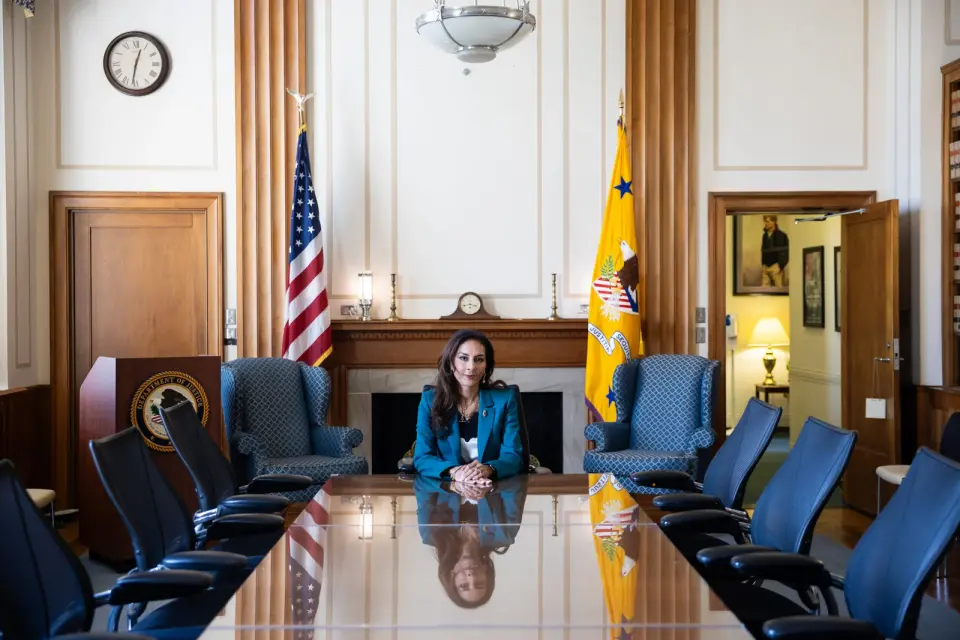
The Trump administration plans to deploy approximately 1,000 Department of Justice election monitors across the country for the November 2026 midterms, according to Assistant Attorney General Harmeet Dhillon. The Civil Rights Division intends to focus on jurisdictions with language or disability-access issues and areas where officials suspect voter fraud. Dhillon stated that the department may seek Supreme Court review after losing multiple federal cases regarding its demand for unredacted state voter rolls. She claimed that cooperating states have revealed hundreds of thousands of deceased individuals and tens of thousands of noncitizens on voter rolls, though she did not provide specific evidence or identify the states involved. The monitoring effort follows a similar deployment during the primary season and coincides with ongoing legal defeats in district and appellate courts over the use of the Civil Rights Act to access sensitive voter data.
Key points
- Assistant Attorney General Harmeet Dhillon announced plans to deploy roughly 1,000 DOJ election monitors for the November 2026 general election.
- The Justice Department has not finalized the list of jurisdictions but is targeting areas with language access issues, disability access concerns, and suspected voter fraud.
- DOJ has lost 23 district court cases and a Sixth Circuit appeal regarding its demand for unredacted statewide voter registration databases, including driver’s license and Social Security numbers.
- Dhillon indicated the department may seek Supreme Court review after the Sixth Circuit declined a rehearing request, echoing comments by Attorney General Todd Blanche.
- Dhillon claimed that cooperating states have identified hundreds of thousands of deceased voters and tens of thousands of noncitizens on voter rolls, though she did not provide evidence or name the states.
- The Civil Rights Division is smaller than 1,000 personnel, suggesting DOJ may draw monitors from U.S. attorneys’ offices and other departmental components.
Background
This development follows the DOJ’s deployment of election monitors to 15 jurisdictions across six states during the 2026 primary season, as reported in July. At that time, the department also issued nationwide letters warning election officials about potential criminal liability for noncitizen voting. In August, Minnesota officials denied access to DOJ observers in Hennepin and Ramsey counties, leading to a standoff where state monitors were deployed to oversee federal observers. Earlier in July, the Department of Homeland Security cited a figure of 278,000 noncitizens registered to vote in reviewed states, a statistic President Trump was expected to reference in a primetime address focused on election security. The current announcement expands the monitoring effort significantly for the general election while the department continues its legal push for unredacted voter data despite consistent court losses.
Why it matters
The deployment of 1,000 federal election monitors represents a substantial expansion of DOJ involvement in the 2026 midterms, potentially influencing public confidence in the election process. The department’s insistence on accessing unredacted voter rolls, despite repeated court rulings against it, highlights a deepening conflict between federal authorities and state election officials. Claims of widespread noncitizen and deceased voter registration, while unverified in the current interview, could fuel political narratives around election integrity. The potential escalation to the Supreme Court over voter roll access could set a precedent for federal oversight of state voter registration data, with significant implications for privacy and election administration.
What to watch
The Justice Department is expected to release its final list of jurisdictions for the 1,000-person monitoring force in the coming weeks. The department may file for Supreme Court review of the Sixth Circuit’s rejection of its voter roll demands. Prosecutions related to alleged illegal voting may proceed, though Dhillon acknowledged that further verification is required before determining individual cases. State election officials may continue to resist DOJ access to sensitive voter data, potentially leading to further legal confrontations. The outcome of the 2026 midterms will be closely watched for any evidence of the alleged voter roll issues cited by DOJ officials.
Want the full story? Read the original reporting
Read on Democracy Docket