
Economic Discontent Drives Trump Approval to Historic Lows Ahead of Midterms
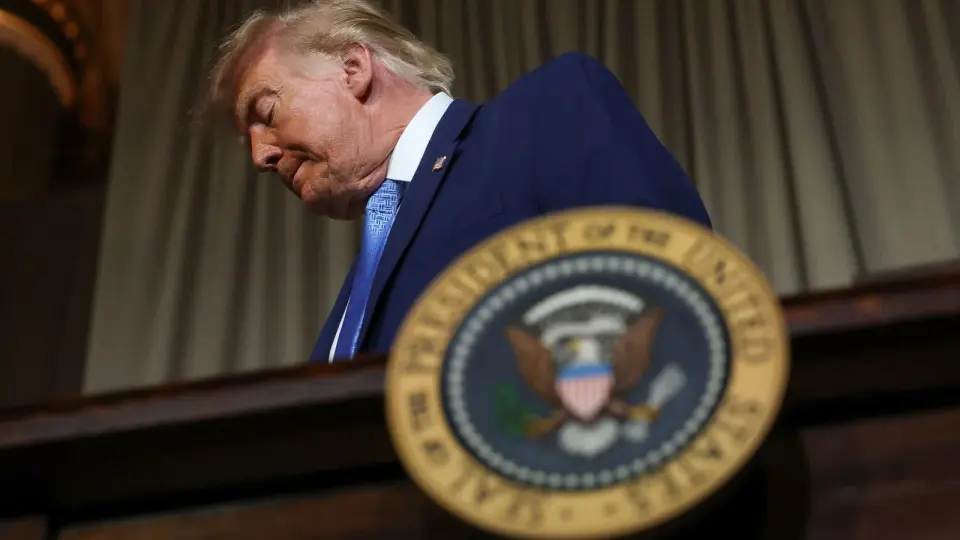
With two weeks remaining until the November 3 midterm elections, President Donald Trump’s economic approval rating has reached an all-time low, with 65% of Americans disapproving of his handling of the economy. Multiple polls indicate a significant shift in voter sentiment, particularly among Republicans, who are increasingly pessimistic about the current economic conditions. Democrats hold a clear lead in generic congressional ballots, with 52% of likely voters preferring their party’s candidates. Key drivers of this discontent include rising costs for food and gas, a persistent 3.7% inflation rate, and dissatisfaction with the ongoing conflict with Iran. While Republicans retain advantages on border security, the erosion of support among the party’s base and independents has created a challenging environment for GOP candidates in competitive districts.
Key points
- CNBC’s All-America Economic Survey reports that 80% of Americans rate the economy as fair or poor, the highest level since December 2023.
- Trump’s net economic approval stands at -31, the lowest recorded in either of his terms, with 65% disapproval surpassing the worst showing of former President Joe Biden.
- The New York Times/Siena poll finds that 52% of likely voters prefer Democratic candidates for their congressional districts, an 11-point lead over Republicans.
- 35% of Republicans now express economic pessimism, a 6-point increase from July, signaling a notable shift within the party’s traditional base.
- Voters cite the cost of food and gas as their top concerns, with 57% identifying these issues as their primary worry, while 65% disapprove of the handling of the Iran war.
Background
Recent archive coverage from October 18 and 21 highlighted a similar trend, with Trump’s approval rating hitting record lows of 32% to 36% in various polls. These earlier reports noted that Democrats were gaining a double-digit lead in the House, driven by voter frustration over economic strain and the Iran conflict. The current data confirms this trajectory, showing that the decline in approval is not merely a temporary dip but a sustained shift in public opinion, particularly among younger Republicans and non-college White voters who have become increasingly disillusioned with the administration’s economic policies.
How outlets are covering it
While all sources agree on the downward trend in Trump’s approval, they differ in their emphasis on the causes and the extent of the shift. CNBC’s survey, conducted by Public Opinion Strategies and Hart Associates, highlights the unprecedented level of Republican pessimism, noting that 35% of Republicans are now economically pessimistic, a significant change from previous months. The New York Times/Siena poll focuses on the specific issues driving this discontent, such as the cost of living and the Iran war, and emphasizes the Democratic lead in likely voter preferences. The Guardian’s report underscores the impact of gas prices and inflation, noting that 73% of registered voters disapprove of Trump’s handling of gas prices. AP News, while less detailed in the provided text, likely aligns with the broader narrative of voter dissatisfaction with economic conditions and foreign policy. The consensus across these outlets is that the current economic climate and the Iran conflict are the primary drivers of the shift in voter sentiment, with Democrats gaining an advantage in the upcoming midterms.
Why it matters
The decline in Trump’s approval rating and the shift in voter sentiment have significant implications for the 2026 midterm elections. The erosion of support among Republicans and independents could lead to a loss of congressional majorities for the GOP, potentially impacting the administration’s ability to push through its legislative agenda. The focus on economic issues, particularly the cost of living and gas prices, suggests that voters are prioritizing practical concerns over ideological ones, which could influence the outcome of competitive races. Additionally, the dissatisfaction with the Iran war and its impact on fuel prices could have broader geopolitical and economic consequences, affecting both domestic and international relations. The current polling data indicates a challenging environment for Republican candidates, who will need to address these economic and foreign policy issues to maintain their support in the upcoming elections.
What to watch
In the final two weeks before the November 3 midterm elections, both parties are expected to intensify their campaign efforts, focusing on the key issues of economic cost and foreign policy. Democrats are likely to emphasize their platform on reducing the cost of living and addressing the Iran conflict, while Republicans may attempt to counter these narratives by highlighting their successes on border security and other issues. The outcome of the midterms will depend on the ability of each party to mobilize their base and attract undecided voters, particularly in competitive districts. The current polling data suggests that Democrats have a significant advantage, but the final outcome will depend on voter turnout and the effectiveness of each party’s campaign strategies. The results of the midterms will also have implications for the balance of power in Congress and the administration’s ability to implement its policies in the coming years.
- Trump's approval rating on economy hits all-time low as midterm looms: CNBC survey CNBC
- Trump's economic approval hits all-time low as GOP pessimism rises before midterms Quartz
- Voters want the next Congress to focus on costs and Iran, not on Trump, a new AP-NORC poll shows AP News
- Trump Approval Hits New Low Two Weeks Before Midterms, Poll Finds The New York Times
- Trump’s approval rating drops to 36% two weeks before midterms, poll finds The Guardian
Want the full story? Read the original reporting
Read on CNBC