
Economic Pain and Iran War Sink Trump Approval to Record Lows Ahead of Midterms
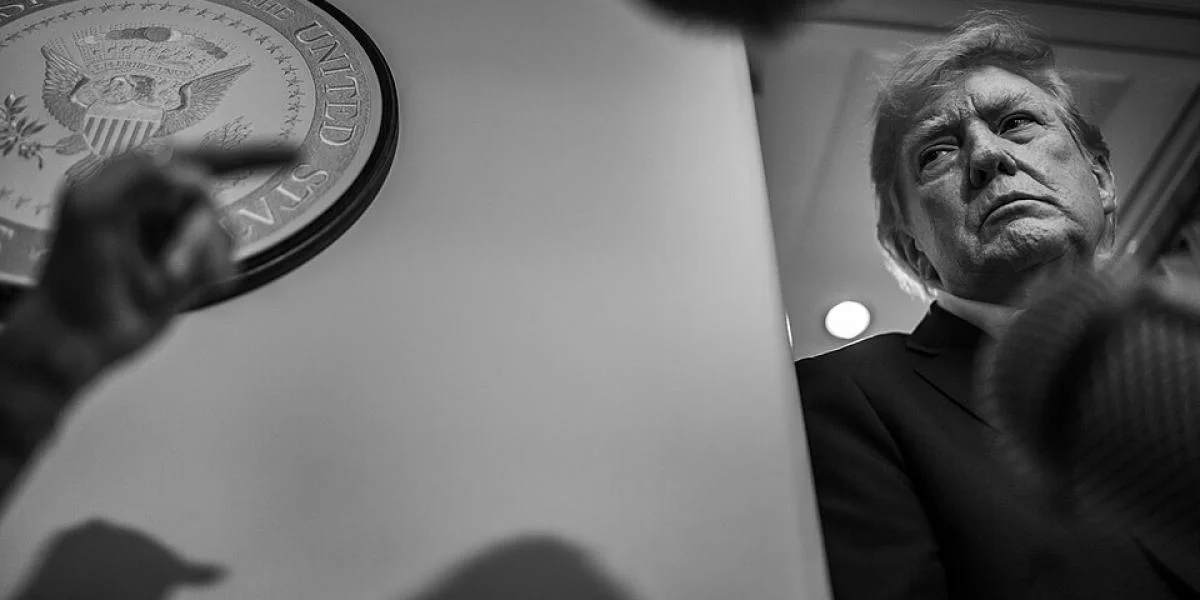
President Donald Trump’s approval ratings have plummeted to historic lows, driven by voter dissatisfaction with the economy and the war in Iran. Polls show a significant Democratic lead in generic ballot questions, signaling a challenging midterm election for Republicans. While Trump’s signature policies, such as the 'big, beautiful bill' and $5,000 payments, fail to resonate with voters, the GOP faces a difficult task of spending heavily to counter a narrative of economic failure. The political landscape has shifted, with many voters viewing their congressional vote as a rejection of the president rather than a choice between parties.
Key points
- Trump’s approval rating dropped to 35% in an Economist/YouGov poll, a five-point decline that erased recent gains, and hit a record low of 32% in a Reuters/Ipsos poll.
- 56% of voters disapprove of Trump’s job performance, with 55% stating his policies have hurt the economy, a sharp contrast to the 2018 cycle when 41% said his policies helped.
- Democrats hold a 14-point lead over Republicans in the generic congressional ballot among likely voters, compared to an 8.4% lead in the 2018 midterms.
- 57% of voters are less likely to support candidates who back the war in Iran, and 62% disagree that the conflict has been worth it.
- 43% of registered voters say their congressional vote is a signal of opposition to Trump, while 46% of independents view their vote as a rejection of the president.
Background
In August 2026, Trump-endorsed candidates suffered significant primary losses, signaling growing frustration within the GOP. In early September, the party held a Trump-focused convention in Dallas, with MAGA Inc. spending approximately $10 million on ads. Despite these efforts, insiders reported that they had largely stopped trying to sway the president, accepting his dominance as final. The current polling data reflects the culmination of these strategic efforts, showing that despite heavy spending and centralized messaging, the economic and foreign policy consequences are outweighing the party's traditional advantages.
How outlets are covering it
The Cook Political Report emphasizes that economic consequences, specifically high gas prices and diesel costs, have finally splintered Trump’s coalition, forcing Republicans to rely on heavy ad spending to survive. CNN’s coverage, while largely obscured by technical code, aligns with the theme of deepening midterm woes. NBC News highlights the specific failure of Trump’s signature policies, noting that 42% of voters are less likely to support candidates backing the 'big, beautiful bill' and 46% are less likely to support the $5,000 payment plan. USA TODAY focuses on the sharp, single-week drop in approval ratings and the resulting double-digit Democratic lead in generic ballots. While all sources agree on the downward trend, NBC News notes that Democrats still face brand challenges, with 50% of voters viewing the party negatively, suggesting the current environment is driven more by anti-Trump sentiment than pro-Democratic enthusiasm.
Why it matters
The collapse of Trump’s approval ratings signals a fundamental shift in the 2026 midterm election dynamics. The economic pain from tariffs and the unpopularity of the Iran war have eroded the coalition that sustained the president through previous controversies. For Republicans, this creates a financial and strategic crisis, as they must now spend heavily to counter a narrative of economic failure. For Democrats, the opportunity lies in capitalizing on voter dissatisfaction, though they must navigate their own brand challenges. The outcome of these midterms will likely determine the balance of power in Congress and the extent of Trump’s ability to implement his agenda in the second half of his term.
What to watch
Republicans are expected to increase ad spending in battleground races to counter the negative economic narrative. Democrats will likely focus on the generic ballot lead and the unpopularity of the Iran war. The coming weeks will see intensified campaigning as both parties attempt to mobilize their bases and sway undecided voters. The final polling numbers in October will be critical in determining whether the current trends translate into a decisive shift in congressional control.
- Political Gravity Finally Caught up With Trump. Now the GOP Has To Try To Spend Their Way Out of It. cookpolitical.com
- Trump’s midterm woes deepen amid worsened economic backdrop: CNN poll CNN
- Trump’s approval plunges into the 20s, and Republicans give up The Hill
- Poll: Most voters say Trump has hurt the economy as competitive midterm election looms NBC News
- Trump approval rating sinks as Dems lead by double digits usatoday.com
Want the full story? Read the original reporting
Read on cookpolitical.com