
GOP Candidates Distance Themselves from Trump as Midterm Polls Turn Grim
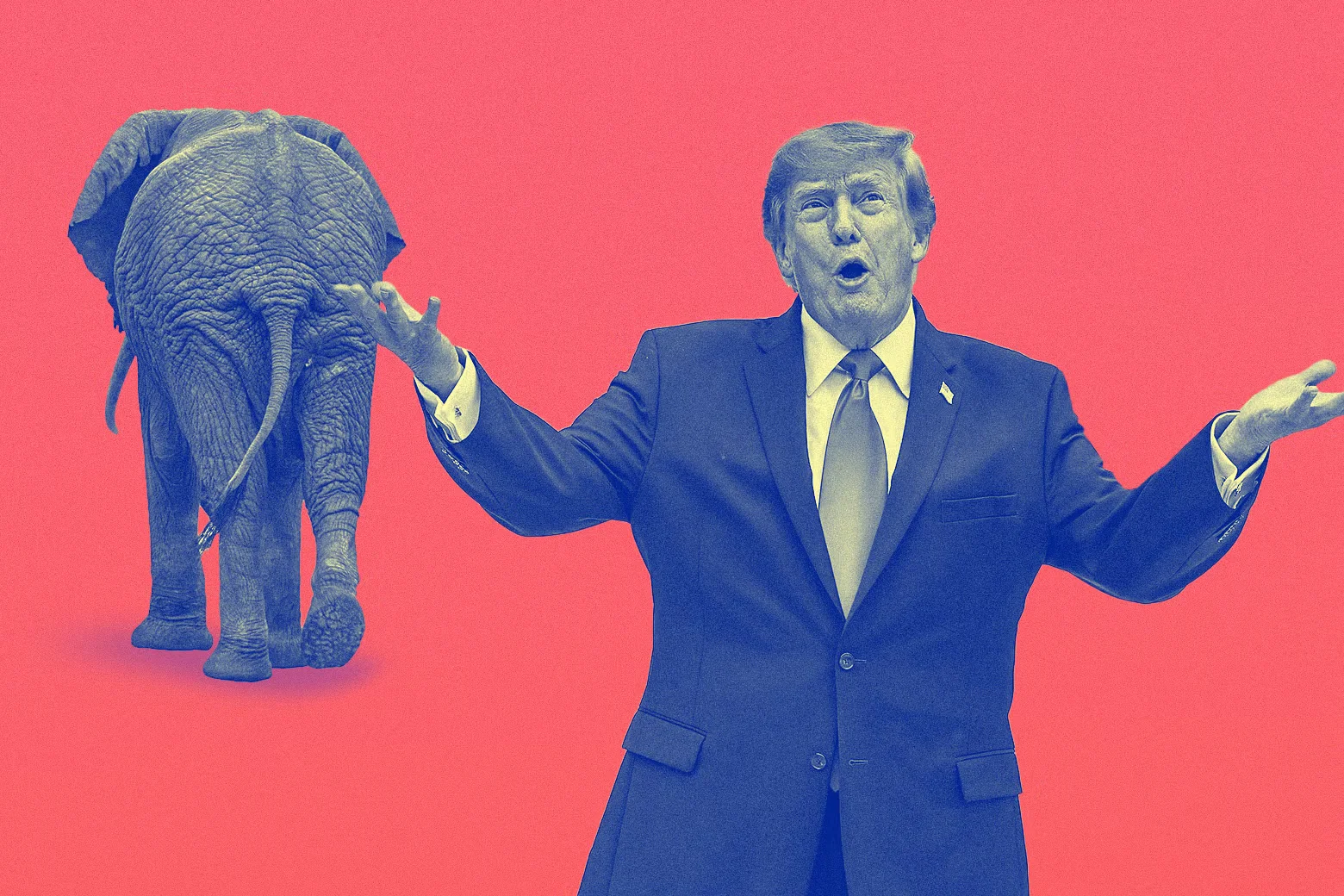
Republican candidates are increasingly distancing themselves from President Donald Trump ahead of the November 2026 midterms, driven by his plummeting approval ratings and unpopular policies. While some GOP officials previously maintained strict loyalty, others are now openly criticizing the Iran war, immigration enforcement, and other initiatives to protect their seats. This shift is occurring even in states Trump won by large margins in 2024, signaling a strategic retreat from the president's agenda as the party faces potential electoral losses.
Key points
- Multiple Republican candidates, including former Rep. Mike Rogers and Rep. Ashley Hinson, have publicly called for an end to the Iran war, marking a significant break from the administration's stance.
- GOP officials in deep-red states, such as Florida and Kentucky, have removed prominent references to Trump from their campaign materials or expressed concerns about his policies, including immigration and tariffs.
- Polling data indicates that only 26% of US adults approve of Trump's handling of the Iran conflict, with his overall approval ratings reaching historic lows among both general and Republican voters.
- Some candidates, like Rep. Maria Elvira Salazar, have criticized Trump's immigration enforcement as 'too far,' while others, such as Sen. Jon Husted, have distanced themselves from his views on AI data centers and economic policy.
- The White House has responded with denial, with a spokesperson asserting that Trump remains the 'unequivocal leader' of the Republican Party, despite growing internal dissent.
Background
This development follows a series of earlier events in 2026 where the Republican Party attempted to frame the midterms as a referendum on Trump's leadership. In early September, Melania Trump skipped the Dallas midterm convention, and at least 45 Republicans stayed away from the event, signaling initial discomfort with the administration's strategy. Despite these early signs of unease, most downballot candidates initially embraced the Trump-centric approach, hoping to energize the base. The current wave of distancing represents a more pronounced and widespread shift, moving from passive avoidance to active public criticism of the president's policies.
How outlets are covering it
Slate emphasizes the desperation and strategic nature of the defections, noting that Republicans are breaking with Trump on issues that were previously solidly within his wheelhouse, such as immigration and tariffs. CNN highlights the geographic scope of the distancing, pointing out that candidates in deep-red states like Iowa, Ohio, and Florida are now diverging from the president, even in areas where he won by double digits in 2024. Vox frames the situation as a belated realization by GOP candidates that distancing from an unpopular president is necessary to save their seats, while also questioning whether these moves are too little, too late. The outlets agree on the trend but differ in emphasis: Slate focuses on the breadth of policy disagreements, CNN on the geographic reach, and Vox on the timing and potential effectiveness of the strategy.
Why it matters
The growing distance between Republican candidates and President Trump signals a potential shift in the party's electoral strategy ahead of the 2026 midterms. If these defections translate into electoral success, it could reshape the balance of power within the GOP and influence future policy directions. Conversely, if the moves fail to resonate with voters, it could deepen internal divisions and undermine the party's cohesion. The outcome of these races will likely determine whether the Republican Party continues to align with Trump's agenda or pivots toward a more moderate stance in response to voter sentiment.
What to watch
Analysts will closely monitor the impact of these distancing efforts on polling numbers and voter sentiment in the weeks leading up to the November 2026 midterms. The White House may intensify its efforts to rally the base and counter the narrative of internal dissent, while GOP candidates will continue to adjust their messaging to balance loyalty to the party with the need to appeal to swing voters. The results of key races in states like Iowa, Ohio, and Florida will serve as early indicators of whether the strategy of distancing from Trump is effective or if it risks alienating the party's core supporters.
- We Finally Found Out What It Would Take for Republicans to Abandon Donald Trump Slate Magazine
- The GOP stampede away from Trump is growing — including in pretty red districts CNN
- Trump’s Grip on GOP Slips as Midterm Election Anxiety Sets In Yahoo Finance
- More Republicans are breaking from Trump. Is it too little, too late? vox.com
- GOP breaking with an unpopular Trump Axios
Want the full story? Read the original reporting
Read on Slate Magazine