
El-Sayed Clashes with Fox News Host Over Muslim Brotherhood Allegations in Michigan Senate Race
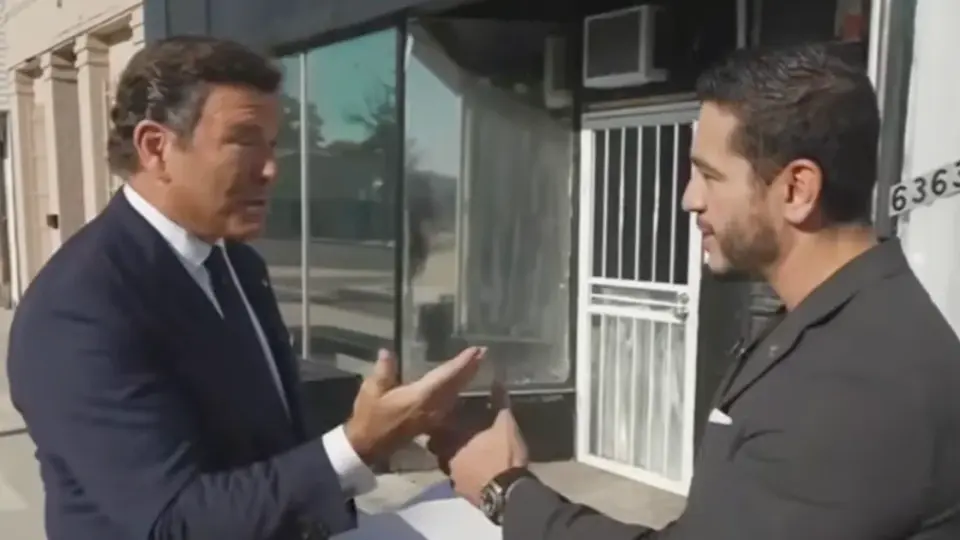
Michigan Senate candidate Abdul El-Sayed confronted Fox News host Bret Baier on Friday, telling him to 'be a journalist' after Baier questioned El-Sayed’s ties to the Muslim Brotherhood. El-Sayed affirmed his loyalty to the U.S. Constitution and rejected the premise of dual loyalty. This exchange follows a weekend town hall incident where a heckler, later identified as a former aide to Senator Josh Hawley, demanded El-Sayed disavow the group. While Republicans, including President Trump, have intensified attacks linking El-Sayed to the organization, polls show the race remains tight, with El-Sayed holding a narrow lead. Experts note that the demand to 'disavow' implies a stronger connection than merely 'condemning' a group, a tactic critics say targets Muslim Americans.
Key points
- El-Sayed told Fox News host Bret Baier to 'be a journalist' during a Friday interview, rejecting questions about his allegiance to the Constitution and any ties to the Muslim Brotherhood.
- The confrontation followed a weekend town hall in Caro, Michigan, where a heckler demanded El-Sayed disavow the Muslim Brotherhood; El-Sayed responded by questioning the heckler’s motives and comparing the query to historical doubts about John F. Kennedy’s Catholicism.
- The heckler was identified as Thomas Teepell, a former operations director for Senator Josh Hawley and son of Republican strategist Timmy Teepell, according to congressional staff records.
- President Trump and Republican opponent Mike Rogers have repeatedly accused El-Sayed of being a member of the Muslim Brotherhood, with Trump calling him a 'fraud' and 'jihadist' without providing evidence of personal involvement.
- El-Sayed holds a narrow lead in the Michigan Senate race, with RealClearPolitics showing him at 48.1% versus 45.5% for Rogers, though the margin is within the error range.
- El-Sayed is scheduled to campaign with former President Barack Obama in Detroit on October 24, the first day of in-person early voting, ahead of the November 3 election.
Background
This latest clash escalates a months-long campaign by Republican figures to link El-Sayed, the son of Egyptian immigrants, to Islamic extremism. Previous coverage noted similar tactics in other races, such as the Texas Senate race where Fox News refused to host a debate between Democratic nominee James Talarico and Republican candidate Ken Paxton. In this race, conservative media outlets have resurfaced social media posts from El-Sayed’s half-sister regarding her mother’s activism in the 1970s, despite El-Sayed being born in the 1980s and not raised by his birth mother. The current dispute highlights a broader pattern of questioning the loyalty of minority candidates, a strategy that has been used against Muslim, Jewish, and other minority candidates in U.S. history.
How outlets are covering it
HuffPost framed the Friday interview as a direct clash where El-Sayed challenged Baier’s journalistic integrity, emphasizing El-Sayed’s firm stance on constitutional loyalty. The Guardian focused on the identification of the heckler as a former aide to Senator Josh Hawley, highlighting the political connections behind the attack and the lack of evidence linking El-Sayed to the Muslim Brotherhood. CNN analyzed the linguistic nuance of the word 'disavow,' arguing that it implies a prior affiliation that 'condemn' does not, and contextualized the attack within a broader history of questioning minority loyalty in the U.S. All three sources agreed that the race remains close and that the attacks are a strategic attempt to associate El-Sayed with extremism, but they differed in emphasis: HuffPost on the media confrontation, The Guardian on the political operatives behind the heckling, and CNN on the sociolinguistic implications of the questions asked.
Why it matters
The incident underscores the role of media platforms in shaping the narrative of close electoral races, particularly when questions about religious loyalty are used to challenge a candidate’s patriotism. The identification of the heckler as a former aide to a sitting senator suggests a coordinated effort to influence public perception. Furthermore, the linguistic analysis of the term 'disavow' reveals how specific word choices can be used to imply guilt by association, potentially swaying undecided voters in a tight race. The outcome of the Michigan Senate race could have significant implications for the balance of power in the U.S. Senate and the broader national discourse on religious freedom and political loyalty.
What to watch
El-Sayed will campaign with former President Barack Obama in Detroit on October 24, the first day of in-person early voting. The race remains competitive, with polls showing El-Sayed ahead by a narrow margin. As the election approaches on November 3, expect continued attacks from Republican figures, including President Trump, who has called El-Sayed a 'fraud' and 'jihadist.' The outcome of the race will likely depend on voter turnout and the effectiveness of each candidate’s messaging in addressing concerns about loyalty and religious freedom.
- Dem Candidate Tells Fox News Host To ‘Be A Journalist’ During Tense Interview HuffPost
- Man who heckled Abdul El-Sayed is former Josh Hawley aide, records show The Guardian
- Examining the Muslim Brotherhood claims in Michigan’s Senate race The Washington Post
- What Republicans mean when they ask Abdul El-Sayed to ‘disavow’ the Muslim Brotherhood CNN
- Republican 'Muslim Brotherhood' attacks on El-Sayed in Michigan seek to exploit Democratic fault lines Reuters
Want the full story? Read the original reporting
Read on HuffPost